⚡ Quick Answer: Types of Mascara
The main types of mascara are volumizing, lengthening, curling, defining, waterproof, washable, tubing, fiber, clear, bottom-lash, and primer mascaras.
These are also called mascara types, kinds of mascara, or different types of mascara, and each one is designed for a different lash effect, wear need, or application purpose.
At a glance:
- Volumizing mascara makes lashes look thicker and fuller
- Lengthening mascara makes lashes look longer and more extended
- Curling mascara helps lashes stay lifted
- Defining mascara separates lashes for a clean, clump-free look
- Waterproof mascara resists water, sweat, tears, and humidity
- Washable mascara feels comfortable for daily wear and removes easily
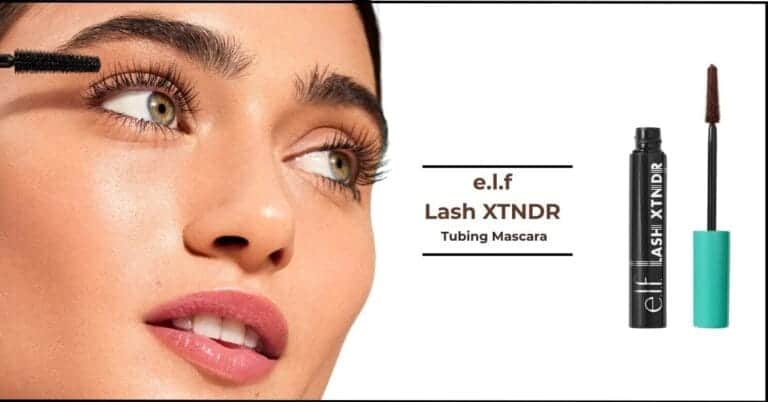
- Tubing mascara helps reduce smudging and can be removed with warm water
- Fiber mascara adds dramatic length using tiny fibers
- Clear mascara gives natural definition, grooming, and light hold
- Bottom-lash mascara gives more control over lower lashes
- Primer mascara helps boost length, volume, and wear time before mascara
If you’ve been researching types of mascara, chances are you’ve already experienced the same frustration as almost everyone else.
You buy a mascara that everyone recommends, only to find that it smudges, flakes, drops your curl, clumps too quickly, or leaves your eyes feeling uncomfortable.
The good news is that this usually does not mean the mascara is bad. More often, it means you are using the wrong type of mascara for your lashes.
For example, a volumizing mascara can look full and dramatic on sparse lashes but feel heavy on fine lashes. A waterproof mascara may hold curl beautifully but require more careful removal.
A tubing mascara can help with everyday smudging, but it may not give the same fluffy volume as a traditional wax-based formula.
That is why understanding mascara types is more useful than chasing the latest viral product. Once you know how different formulas look, wear, and remove, choosing mascara becomes much more predictable.
In this guide, we’ll break down the different types of mascara, how each mascara type works, which lash problems it solves, where each one falls short, and which one makes the most sense for your lashes.
👀 Before We Start
This is not a “best mascara” list or a product ranking. It is a decision guide that explains how different mascara formulas work, so you can choose the right type before choosing a specific product.
If you want the beginner-level explanation first, start with the basic mascara guide before comparing formula types.
✨ Inside This Mascara Guide
Quick Comparison — Choose the Right Type of Mascara
| Mascara Type | Typical Lash Effect | Best For / Problem It Solves | Main Trade-Off | How It Removes |
|---|---|---|---|---|
| Volumizing | Thicker, fuller lashes | Thin or sparse lashes | Can clump if over-layered | Cleanser or micellar water |
| Lengthening | Longer-looking lashes | Short lashes | Less thickness | Cleanser or micellar water |
| Curling | Lifted, upward lashes | Straight or downward lashes | Works best with curled lashes first | Cleanser or micellar water |
| Defining | Clean, separated lashes | Clump-prone lashes | Minimal drama | Cleanser or micellar water |
| Waterproof | Similar look with stronger hold | Humidity, sweat, tears | Harder removal | Oil-based remover |
| Washable | Soft, natural finish | Daily comfort | Smudges more easily | Water + cleanser |
| Tubing | Smooth, separated lashes | Under-eye smudging | Less dramatic volume | Warm water |
| Fiber | Extension-like length | Very short lashes | Can irritate sensitive eyes | Gentle cleanser |
| Clear | Natural, groomed lashes | Light hold | No visible volume or length | Water |
| Bottom-lash | Defined lower lashes | Lower lashes | Not ideal for upper lashes | Cleanser |
| Primer | White/translucent base coat | Boosts mascara performance | Adds an extra step | Cleanser |
Quick tip: Don’t choose mascara by trend or hype. Start with the problem you want to solve, then pick the mascara type designed for that job.
How Mascara Types Are Classified
Before we list the different types of mascara, it helps to understand that mascara is not classified in just one way.
Most confusion happens because people mix together three different ideas:
- Lash effect — what the mascara makes your lashes look like
- Formula behavior — how the mascara wears, holds up, and removes
- Specialized purpose — the specific lash problem the mascara is designed to solve
Once you separate these layers, choosing mascara becomes much easier.
Classification by Lash Effect
This is the most familiar way people talk about mascara.
Lash effect describes the visual result you want:
- Volume makes lashes look thicker and fuller
- Length makes lashes look longer and more extended
- Curl helps lashes stay lifted upward
- Definition separates lashes for a clean, precise look
The important thing to remember: the effect is only the goal. The formula underneath determines whether that effect actually works for your lashes.
For example, a bold volumizing mascara may look full and dramatic on sparse lashes, but it can feel heavy or clumpy on fine lashes.
A defining mascara may look clean and polished on naturally full lashes, but it may not give enough impact if your lashes are very thin.
Classification by Formula Behavior
Formula behavior explains how mascara performs in real life.
It affects:
- Whether it smudges or flakes
- How well it holds curl
- How comfortable it feels
- How easily it removes at night
Most mascaras fall into three main formula families: washable, waterproof, and tubing.
Washable mascara is usually the easiest to remove and most comfortable for daily wear. Waterproof mascara is made to resist water, sweat, tears, and humidity.
Tubing mascara works differently because it forms tiny tubes around the lashes, which is why it often helps with everyday smudging and removes with warm water.
What to keep in mind: mascara can fail because of water, oil, or friction. Wax-heavy formulas may soften when they meet eyelid oil. Waterproof mascara resists water well, but it is not always oil-proof. Tubing mascara can be useful when smudging happens from oil or lash-to-skin transfer.
Why Mascara Fails: Water vs Oil vs Friction
Mascara does not fail for the same reason on everyone. Sometimes it breaks down from moisture, sometimes from eyelid oil, and sometimes from lashes rubbing against skin.
| Mascara Problem | Likely Cause | Best Type to Try |
|---|---|---|
| Mascara runs after crying, sweating, or humidity | Water or moisture | Waterproof mascara |
| Mascara smears under the eyes even on dry days | Eyelid oil or transfer | Tubing mascara |
| Mascara flakes into small dry pieces | Formula dryness or over-layering | Defining or washable mascara |
| Mascara stamps onto the lid | Lash-to-skin friction | Curling or tubing mascara |
| Mascara feels hard to remove | Strong film or waterproof formula | Washable or tubing mascara |
This is why two people can use the same mascara and get completely different results. The best type depends on what is making your mascara fail in the first place.
Washable Mascara
Washable mascara simply means the formula is easier to remove with water and cleanser compared with waterproof mascara. It is usually the most comfortable type for everyday wear because it stays softer and more flexible on the lashes.
What it’s good at:
- Easy removal
- Soft, flexible lashes
- Everyday comfort
- Natural-looking definition
Where it falls short:
- Can lose curl more easily
- May smudge faster in humidity
- May transfer more to oily lids
The key takeaway: washable mascara is best if comfort, flexibility, and easy removal matter more than strong water resistance or long-wear hold.
Waterproof Mascara
Waterproof mascara is designed to resist water, sweat, tears, and humidity. It usually creates a firmer film on the lashes, which is why it can help lashes stay lifted longer than softer washable formulas.
What it’s good at:
- Stronger curl hold
- Humidity and sweat resistance
- Longer wear in demanding conditions
- Better resistance against tears or wet weather
What to be careful about:
- Harder removal
- Usually needs an oil-based remover
- Can feel drier or stiffer than washable mascara
- Scrubbing during removal can weaken or damage lashes
What this means: waterproof is not the same as water-resistant. Water-resistant mascara can handle light moisture, but true waterproof mascara is made for heavier exposure like tears, sweat, humidity, or swimming.
Tubing Mascara
Tubing mascara can feel confusing at first because it does not behave like regular washable or waterproof mascara. Instead of simply coating lashes with pigment, it forms tiny tubes around each lash.
That is why it often works well for people who struggle with under-eye smudging or transfer.
If you want the full beginner-friendly breakdown, start here:
What it’s good at:
- Strong everyday smudge resistance
- Minimal flaking
- Easy removal with warm water
- Comfortable wear for many people who dislike heavy mascara
Where it falls short:
- Usually less dramatic than thick volumizing mascara
- May not give a fluffy false-lash effect
- It can look too subtle if you want bold volume
If tubing sounds like the right fit for your smudging problem, the next step is choosing a formula that actually performs well without flaking or feeling too weak.
How removal works: With warm water and light pressure, the tubes slide off in small pieces. Those pieces can look like lashes at first, but they are usually mascara tubes, not lash hair.
Hybrid Mascara
Hybrid mascara combines more than one mascara benefit in a single formula. For example, some mascaras are made to add both volume and length, while others combine curl hold with waterproof wear or tubing technology with smudge resistance.
This type is useful if you want balanced results instead of one extreme effect. However, hybrid mascara usually still has one main strength, so it is better to choose based on your biggest lash need first.
Classification by Specialized Purpose
Some mascaras are not mainly about general volume, length, or curl. They are designed for specific situations.
This includes:
- Fiber mascara adds dramatic length using tiny fibers
- Clear mascara gives natural definition, grooming, or light hold
- Bottom-lash mascara helps coat lower lashes with more control
- Primer mascara preps lashes before mascara to improve volume, length, or wear time
These types are not automatically better or worse. They are problem-solvers for specific needs.
Quick recap:
- Choose by lash effect when you care most about the final look
- Choose by formula behavior when you care about wear, smudging, curl hold, or removal
- Choose by specialized purpose when you have a very specific lash problem to solve
The Core Mascara Types (Foundational Categories)
Now that you understand how mascara is classified, let’s look at the core mascara types you’ll see most often.
These aren’t marketing terms—they describe what each formula is primarily designed to do. While many modern mascaras combine multiple benefits, most are built around one main performance goal.
Understanding these categories makes it much easier to choose a mascara that matches your lashes instead of relying on trial and error.
Volumizing Mascara
Volumizing mascara is designed to make lashes look thicker, fuller, and denser. When someone talks about bold or full lashes, this is usually the type they’re referring to.
If fuller, thicker-looking lashes are your goal, comparing formulas designed specifically for volume will help you find one that delivers noticeable fullness without excessive clumping or heaviness.
How it works
Volumizing formulas typically use:
- High levels of waxes, such as beeswax or carnauba wax
- Rich pigments that coat each lash from root to tip
Instead of making lashes longer, these formulas build visible thickness, creating a bolder, more dramatic look.
Best for:
- Sparse lashes
- Thin lashes that need more fullness
Not ideal for:
- Very fine lashes that become weighed down easily
- Anyone wanting a light, natural look
Trade-offs:
- Can clump if too many coats are applied
- Heavier formulas may reduce curl over time
Lengthening Mascara
Lengthening mascara is designed to make lashes appear longer rather than thicker.
If your main issue is short-looking lashes, it’s usually better to choose a formula built specifically for length instead of one that focuses mainly on volume.
How it works
Lengthening formulas commonly used:
- Lightweight film-forming polymers
- Sometimes, fine fibers that extend beyond the natural lash tips
Because they’re generally lighter than volumizing formulas, they often create a longer, more separated, fluttery finish.
Best for:
- Short lashes
- Lashes that need more visible length
Not ideal for:
- Anyone looking for maximum thickness or dramatic volume
Trade-offs:
- Provides less fullness than volumizing formulas
- Fiber-based formulas may not suit sensitive eyes and can sometimes flake
Curling Mascara
Despite the name, curling mascara doesn’t create curl on completely straight lashes. Instead, it helps maintain and support a curl that’s already there.
If your lashes lose their lift quickly, a curl-focused formula is usually a better choice than simply choosing extra volume or length.
Many people still get the best results by curling their lashes before applying mascara.
How it works
Curling formulas use flexible film-forming ingredients that help lashes stay lifted after application. Many are paired with waterproof technology because firmer formulas generally hold curl longer.
Best for:
- Straight lashes
- Downward-facing lashes
- Lashes that lose curl throughout the day
Not ideal for:
- Naturally curled lashes that already hold their shape well
Trade-offs:
- Works best after using an eyelash curler
- Usually focuses more on lift than dramatic volume or thickness
Defining Mascara
Defining mascara, sometimes called separating mascara, is designed to keep lashes clean, separated, and clump-free.
Rather than creating dramatic volume, it enhances your natural lashes with a polished, everyday finish.
How it works
These formulas typically feature:
- Lighter textures
- Lower wax content
- Precision or comb-style brushes that help separate individual lashes
The result is a clean definition without making lashes look overly heavy.
Best for:
- Naturally full lashes
- Anyone who dislikes clumping
- Everyday or no-makeup makeup looks
Not ideal for:
- Sparse lashes that need noticeable fullness
Trade-offs:
- Subtle finish
- Won’t create a dramatic false-lash effect
Waterproof Mascara
Waterproof mascara is designed for situations where regular mascara is more likely to fail, such as humidity, sweating, tears, or swimming.
If long-lasting water resistance is your priority, comparing dedicated waterproof formulas will help you find one that balances wear time, curl hold, and comfortable removal.
How it works
Unlike washable formulas, waterproof mascaras use waxes and water-resistant film-forming ingredients to create a durable coating around each lash.
This stronger film helps the mascara resist moisture while keeping lashes lifted for longer.
Best for:
- Humid climates
- Sweating or tears
- Swimming
- Straight lashes that struggle to hold curl
Not ideal for:
- Anyone wanting the easiest daily removal
- Very dry or fragile lashes if worn every day
Trade-offs:
- More difficult to remove
- Usually requires an oil-based makeup remover
- Rubbing aggressively during removal can damage lashes
What to keep in mind: waterproof does not mean completely oil-proof. Natural oils from your eyelids can still cause some waterproof mascaras to transfer or smudge over time, especially if you have very oily lids.
Washable vs. Waterproof vs. Tubing: Quick Formula Recap
By this point, you already know the three main formula families. Here’s the simplest way to compare them:
| Formula Family | Best For | Main Weakness | Removal |
|---|---|---|---|
| Washable mascara | Daily comfort, soft lashes, easy removal | Can smudge or lose curl faster | Water + cleanser |
| Waterproof mascara | Curl hold, humidity, sweat, tears, swimming | Harder to remove | Oil-based remover |
| Tubing mascara | Oily lids, under-eye smudging, gentle removal | Usually less dramatic volume | Warm water |
The biggest takeaway is simple:
- Washable mascara prioritizes comfort and easy removal
- Waterproof mascara provides the strongest protection against water and humidity
- Tubing mascara is often the best choice for everyday smudging caused by oil or lash transfer
If mascara regularly smears under your eyes even when you are not crying or sweating, tubing mascara is often worth considering. During removal, the small pieces that slide off with warm water are usually mascara tubes, not your natural lashes.
Modern & Specialized Mascara Types
Beyond the core formula families, some mascaras are designed for very specific purposes rather than general volume, length, or curl.
Think of these as specialty tools that solve particular lash concerns instead of trying to do everything at once.
Water-Based Mascara
Water-based mascara is a lightweight type of mascara that usually feels softer and easier to remove than heavy wax-based formulas.
It is often a good fit for natural looks, sensitive-feeling lashes, or situations where you want gentle definition without a stiff or heavy finish.
Some people also prefer water-based formulas after lash treatments, but detailed lash lift or lash extension care should be handled separately.
Fiber Mascara
Fiber mascara is designed to create dramatic-looking length.
Unlike regular lengthening mascara, it adds tiny fibers to the tips of your natural lashes instead of simply coating them with pigment.
Those tiny fibers extend beyond your natural lash tips, making lashes appear noticeably longer and more dramatic.
Fiber mascara is different from tubing mascara. Fiber mascara creates extra length by attaching fibers to your lashes, while tubing mascara wraps each lash in a flexible polymer tube.
Best for:
- Short lashes
- Dramatic, extension-like results
Not ideal for:
- Very sensitive eyes
- Many contact lens wearers
Trade-offs:
- Can create fallout if applied heavily
- Usually requires more careful application than regular mascara
Clear Mascara
Clear mascara does not add visible color. Instead, it enhances your natural lashes with subtle definition, light hold, and a groomed appearance.
If you’re looking for a natural, low-maintenance look, not all clear mascaras perform the same. Some provide better hold, grooming, and curl support than others, making it worth comparing your options.
Common uses include:
- Natural everyday looks
- Grooming brows
- Lightly taming lashes
- Wearing alone for minimal makeup
It won’t:
- Create noticeable volume
- Visibly lengthen lashes
- Provide strong curl hold
Bottom-Lash Mascara
Bottom-lash mascara is designed specifically for lower lashes.
Because lower lashes are shorter, finer, and closer to the skin, regular mascara can be harder to control and more likely to smudge. Bottom-lash formulas are designed to improve precision.
These formulas typically use:
- Smaller precision brushes
- Lightweight formulas
- Better control to reduce under-eye smudging
Primer Mascara
Mascara primer is applied before regular mascara to improve its overall performance.
Depending on the formula, a primer can help add volume, length, curl retention, or wear time.
It can help:
- Increase volume
- Improve length
- Extend wear time
- Create a smoother base for mascara
Some products combine primer and mascara in a double-ended tube, making the two-step process more convenient.
Do Mascara Wands Matter?
Yes—but the formula still matters more.
A simple way to remember it:
- The formula determines performance
- The wand determines the application
Common pairings include:
- Large fluffy wands are usually paired with volumizing formulas
- Thin silicone or comb-style wands are often paired with lengthening or defining formulas
- Curved wands help lift lashes during application
- Micro wands work well for bottom lashes and precision
Brush design can improve application, separation, and control, but it cannot completely change what the formula is designed to do.
If you want a deeper breakdown of brush shapes and how they affect application, keep that separate from formula types.
How to Choose the Right Type of Mascara
Once you understand the main mascara types, choosing becomes much easier. Instead of picking a mascara because it’s popular, start with the lash problem you want to solve.
| Lash Situation | Best Mascara Type | Avoid |
|---|---|---|
| Short lashes | Lengthening or fiber mascara | Heavy volumizing mascara |
| Sparse lashes | Volumizing mascara | Very dry formulas |
| Straight lashes | Curling or waterproof mascara | Heavy washable mascara |
| Oily lids | Tubing mascara | Wax-heavy formulas |
| Sensitive eyes | Tubing or fiber-free mascara | Fiber mascara |
| Natural look | Clear or defining mascara | Heavy volumizing mascara |
| Lower-lash smudging | Bottom-lash mascara | Large brushes |
The Decision Logic That Actually Works
- Short lashes need lengthening mascara or fiber mascara
- Sparse or thin-looking lashes usually need volumizing mascara
- Straight or downward lashes often need curling mascara, sometimes paired with waterproof mascara
- Oily lids or constant smudging usually respond better to tubing mascara
- Sensitive eyes or contact lens wearers may prefer tubing mascara or fiber-free formulas
- A natural everyday look works best with clear mascara or defining mascara
- Lower-lash smudging is easier to control with bottom-lash mascara
- Mascara that looks weak on its own may perform better with primer before regular mascara
For example, lashes that naturally grow straight usually benefit more from curl retention than additional length, while sparse lashes often benefit more from added fullness than extra extension.
When the mascara type matches your actual lash needs, choosing mascara becomes much less about trial and error.
Can You Combine Different Types of Mascara?
Yes, but layering works best when you keep it simple.
A common layering order is:
- Curl your lashes first, if needed.
- Apply a lengthening mascara to stretch and define the lashes.
- Add a light coat of volumizing mascara near the roots for extra fullness.
This approach adds length first, then builds thickness without making lashes feel overly heavy.
If you’re new to mascara or want better results, using the right application technique is just as important as choosing the right formula.
Small changes in how you apply mascara can improve separation, reduce clumping, and help your lashes hold their shape longer.
The main exception is tubing mascara. Tubing formulas usually perform best on their own because layering them over wax-heavy mascaras can lead to uneven wear, flaking, or more difficult removal.
Safety, Hygiene & Lash Health
A few simple habits can make mascara safer and more comfortable to wear.
- Replace mascara about every three months. Old mascara can collect bacteria and gradually lose performance.
Knowing when to replace your mascara is just as important as using it correctly. Keeping a product beyond its safe lifespan can increase the risk of bacteria buildup, eye irritation, and poor performance.
- Avoid pumping the wand. Pumping pushes air into the tube, which dries the formula more quickly.
- Be cautious with fiber mascaras if you have sensitive eyes or wear contact lenses, since loose fibers may cause irritation.
- Remove mascara gently. Most lash damage comes from rubbing or pulling during removal rather than from mascara itself.
Gentle removal deserves its own attention because this is where many people accidentally damage their lashes. The formula matters, but using the wrong removal technique usually causes more problems than the mascara itself.
For detailed removal instructions, keep that in a dedicated mascara removal guide. The most important rule here is simple: match the remover to the formula and avoid unnecessary rubbing.
After removal, it also helps to follow a simple lash-care routine so your lashes stay clean, comfortable, and less prone to dryness or breakage.
Common Mascara Myths
A few common myths make choosing mascara more confusing than it needs to be.
- “One mascara can do everything.” No single mascara excels equally at volume, length, curl, smudge resistance, comfort, and easy removal.
- “Waterproof is always better.” Waterproof mascara is excellent for humidity, tears, sweat, and curl retention, but it isn’t always the best choice for everyday wear.
- “Fiber mascara always looks fake.” Fiber mascara can look very natural when applied lightly. It usually becomes overly dramatic only after excessive layering.
- “The wand matters more than the formula.” The wand influences application, while the formula determines how the mascara wears, holds, removes, and performs throughout the day.
Which Mascara Type Should You Avoid?
No mascara type is universally bad, but some formulas are better suited to certain situations than others.
- If you have very fine lashes, heavy volumizing mascaras may weigh them down.
- If you have sensitive eyes or wear contact lenses, fiber mascaras may not be the most comfortable choice.
- If you have very oily lids, wax-heavy formulas may transfer more easily.
- If easy daily removal is important, waterproof mascara may not be your best everyday option.
Frequently Asked Questions About the Types of Mascara
❓ What Type of Mascara Should I Use?
Choose mascara based on your biggest lash concern. If your lashes look short, try a lengthening mascara. If they look thin or sparse, choose a volumizing mascara.
If your mascara smudges during the day, tubing mascara is often a good starting point. If your lashes lose curl easily, curling or waterproof mascara may work better.
❓ What Does Washable Mascara Mean?
Washable mascara is designed to remove easily with water and a gentle cleanser, unlike waterproof mascara, which usually requires an oil-based makeup remover.
It is often the most comfortable choice for everyday wear when maximum water resistance is not necessary.
Final Thoughts — Choose the Type First, the Mascara Second
The best mascara isn’t simply the most popular one—it’s the one that matches your lashes and your daily needs.
Once you understand how volumizing, lengthening, curling, defining, waterproof, washable, tubing, fiber, clear, bottom-lash, and primer mascaras differ, choosing the right formula becomes much easier.
Start by identifying the lash problem you want to solve, then choose the mascara type designed for that purpose. Once you’ve narrowed down the right category, selecting a specific mascara becomes much more straightforward.