
⚡ Quick Answer
The best mascara for oily lids and watery eyes is usually a tubing or hybrid long-wear formula that resists both oil and tears.
Tubing usually wins for oil. Hybrid wins if you also need curl.
Top Picks from This Guide
- 🏆 Winner: Thrive Causemetics Liquid Lash Extensions — best overall tubing performance
- 🥈 1st Runner-Up: KISSME Heroine Make Volume & Curl Super Waterproof — best for curl + strong hold
- 🥉 2nd Runner-Up: MAC Extended Play Gigablack Lash — best for precision and lower lashes
👉 Key thing: Waterproof handles water — but oil is what breaks most mascaras down.
If you’re searching for the best mascara for oily lids and watery eyes, it usually means one thing — your mascara isn’t just smudging, it’s failing from both directions.
Upper lid transfer, under-eye shadows, fading by midday…
That’s usually oil + tears working together.
Here’s what’s actually happening:
- Oily lids → break down wax-based formulas → smudging on the upper lid
- Watery eyes → weaken the film → smudging under the eyes
And this is exactly why a lot of “waterproof” mascaras still don’t work here.
They’re built for water — not oil.
That’s why in this guide, we’re focusing only on formulas that can handle both at the same time — mainly tubing mascaras and hybrid long-wear formulas that stay more stable throughout the day.
👀 Before We Dive In
This is a combo-problem guide — not an oily-lids-only or watery-eyes-only page.
We’ll quickly break down what causes it, what actually works, and how to avoid the most common mistakes.
✨ Inside This Mascara Guide
🌸 Psst…
Some links in this post are affiliate links. If you shop through them, we may earn a small commission at no extra cost to you — like a little coffee while we keep testing beauty favorites. ☕💄
Quick Comparison: Which One Should You Pick?
If you don’t want to read every review, this gives you a fast starting point based on your main struggle.
| Product | Formula Type | Best For | Strength | Removal |
|---|---|---|---|---|
| Clinique Lash Power Tubing Mascara | Tubing | Sensitive eyes + clean wear | Oil ✔ | Easy |
| Kissme Heroine Make Advanced Film | Hybrid | Curl hold + long wear | Balance ✔ | Medium |
| Thrive Lash Extensions Tubing | Tubing | Length + definition | Oil ✔ | Easy |
| MAC Extended Play Gigablack | Hybrid-light | Lower lashes + precision | Control ✔ | Easy |
| Blinc Original Tubing Mascara | Tubing | Everyday clean wear | Oil ✔ | Easy |
| Revolution Beauty Wrap Lash | Tubing | Budget option | Oil ✔ | Medium |
| Clinique High Impact Waterproof | Waterproof | Heavy tears + humidity | Water ✔ | Hard |
👉 Quick rule:
- Oily lids → go tubing
- Watery eyes → go waterproof (or gentle tubing)
- Both → start with tubing, then try hybrid if you need more hold
How We Selected These Mascaras
We’re not looking for mascaras that solve just one problem.
This guide focuses only on formulas that can handle oil + moisture at the same time — because that’s where most mascaras fail.
We prioritized:
- Oil resistance first (tubing and film-forming formulas)
- Strong performance in real-life conditions (humidity, tears, long wear)
- Stable wear without transfer on both the upper lid and the under-eye area
- Lower irritation risk and easier Removal for sensitive, watery eyes
We did not include mascaras that only handle water but break down with oil, or ones that work on oily lids but fail when eyes start watering.
Why Mascara Smudges on Oily Lids and Watery Eyes
If mascara keeps ending up under your eyes, on your brow bone, or fading by midday, it’s usually not one problem — it’s two working together.
- First: eyelid oil – Your eyelids produce sebum, which contains lipids like squalene. This acts like a natural solvent that softens wax-heavy mascaras, so the pigment starts to move.
- 👉 That’s why you see transfer on the upper lid or brow bone.
- Second: watery eyes – Tears, humidity, and blinking weaken the mascara film in a different way. Instead of softening upward, the pigment starts to break down and move downward.
- 👉 That’s why you see smudging under the eyes.
💡 Quick Diagnosis (What’s causing your smudge?)
- Upper lid/brow bone → oil problem
- Under eyes / lower lash → moisture problem
- Both → combo issue (this guide)
That’s why “smudging” isn’t just one thing.
It comes down to two things:
- Lipid resistance → how well mascara survives oil
- Moisture resistance → how well it handles tears + humidity
And most mascaras are only built to handle one.
👉 That’s exactly why nothing seems to work when you have both.
What to Look for in a Mascara That Won’t Budge
👉 Waterproof does NOT mean oil-proof.
What matters is how stable the mascara film stays against both.
In most cases, it comes down to three things:
- Formula type (tubing, waterproof, hybrid)
- Film-forming ingredients (how the mascara sticks to lashes)
- Application control (how much product touches the skin)
Once we get these right, choosing becomes much easier — and we avoid formulas that are almost guaranteed to smudge.
Tubing vs Waterproof vs Hybrid Formulas
Most mascaras fall into three categories — and they behave very differently on oily lids and watery eyes.
Tubing mascaras: These use film-forming polymers to wrap each lash in a flexible “tube” instead of coating it with wax.
Because they’re not built from oil-soluble waxes, they:
- stay more stable on oily lids
- don’t soften or melt as easily
- hold up better through blinking and light tearing
They also remove differently.
Instead of dissolving, they release with warm water (around shower temperature) and slide off in soft tubes.
That means less rubbing → less irritation, which is a big win for watery or sensitive eyes.
Traditional waterproof mascaras: Waterproof formulas use waxes + solvents to create a rigid, water-resistant film.
They work great for:
- swimming
- heavy humidity
- intense tearing
But here’s the problem:
👉 They’re still vulnerable to oil.
As eyelid oil builds up, it slowly breaks down that wax film — so even if it resists water, it can still smudge.
That’s why waterproof mascaras often fail on oily lids.
👉 For this combo problem, they’re usually a backup — not the first choice.
Hybrid (advanced film) mascaras: Hybrid formulas sit right in the middle.
They combine:
- polymer film-formers (for oil resistance)
- waxes (for structure and curl hold)
So they:
- resist oil better than waterproof formulas
- hold curl better than tubing mascaras
Many of these — especially from K-beauty and J-beauty brands — are designed for humid conditions and straight lashes, so they perform really well in this exact situation.
🧪 Tester Insight: Dr. Rabeya (A Dental Surgeon and a Beauty Enthusiast)
“In simple terms, wax-heavy mascaras rely on adhesion, while tubing mascaras rely on polymer encapsulation. That sleeve-style structure is physically harder for skin oils to dissolve, which is why tubing formulas often outperform traditional waterproof mascaras on very oily lids.”
Ingredients and Film Formers Worth Looking For
You don’t need to read every ingredient label — but a few signals can tell you a lot.
Look for film-forming polymers (like Acrylates Copolymer).
These create a flexible film that locks onto lashes instead of melting into the skin.
Here’s why that matters:
- Wax-heavy formulas → break down with oil (squalene)
- Polymer-based formulas → stay stable with oil + moisture
So instead of softening and shifting, they stay anchored to the lash.
This is also why “smudge-proof” can be misleading. It doesn’t tell you what the mascara resists.
👉 For oily lids, the real priority is: oil stability > marketing claims
Brush Design and Application Control
Formula matters most — but application can still make or break your results.
Big brushes:
- deposit more product quickly
- increase chances of transfer (especially on oily lids)
Slim/precise brushes:
- Give better control
- reduce over-application (especially for lower lashes)
Technique matters too.
👉 When mascara touches the eyelid, it places pigment right where oil is highest.
A better approach:
- start slightly away from the root (mid-shaft)
- build toward the tips
💡 Small tweaks that make a big difference:
- Wipe excess product from the wand
- apply thin layers instead of heavy coats
- Go lighter on lower lashes if the area stays damp
These won’t fix a bad formula —
But they slow down how fast smudging starts.
7 Best Mascaras for Oily Lids and Watery Eyes
When smudging comes from both oil + tears, formula matters more than marketing.
Here’s the simple hierarchy we followed:
- Tubing mascaras → best for oil resistance
- Hybrid formulas → best balance (oil + curl hold)
- Waterproof → best for extreme moisture only
We also considered:
- wear time
- irritation risk
- removal ease
- real-life comfort
We’re not picking the best oil-only or tear-only mascaras here — we’re picking the ones that handle both at once.
Clinique Lash Power Tubing Mascara Long-Wearing Formula
Best overall tubing pick for sensitive, watery eyes
This is usually where we tell people to start when they’re completely fed up with smudging.
Instead of relying on heavy waxes, it uses a tubing formula that wraps lashes in polymer sleeves, which helps it stay cleaner when both oil and tears are involved.
The finish is more natural and defined, not overly dramatic — and that actually helps reduce transfer during the day.
If raccoon eyes ruin your mascara by lunch, this one stays cleaner.
It’s also one of the more comfort-focused options, with a fragrance-free, ophthalmologist-tested formula that works well for sensitive eyes and contact lens wearers.

- ✅ Tubing formula resists oil + light watering
- ✅ Slim brush gives cleaner, more controlled application
- ✅ Ophthalmologist-tested and gentle for sensitive eyes
- ❌ Not for bold, dramatic volume
- ❌ Slim brush may feel slower
- ❌ Warm-water removal takes a little practice

💡 Field Notes — Dr. Rabeya (Heat/Humidity Test)
“Even after a full workday, I didn’t see the usual shadow under my eyes. It stayed clean but still washed off gently with warm water.”
- ⭐ Editor’s Note: A safe starting point for clean wear + easy Removal.
If you want to see what other Amazon readers are saying, you can check the latest reviews here.
💡 Care Tip: Remove with warm water + gentle pressure — not oil or rubbing.
If the moisture side of the problem is clearly stronger than the oil side, our dedicated guide goes deeper into gentler, tear-focused picks:
That cleaner wear is exactly why tubing mascaras show up so often in combo-problem guides.
But if you also need stronger curl hold, the next option usually makes more sense.
HEROINE MAKE Volume & Curl Mascara Advanced Film
Best hybrid pick for oil + tears + curl hold
This is usually where we go when curl is the first thing to collapse.
A lot of mascaras can stay clean but still let lashes fall flat — and that’s exactly where this one feels different. It uses an advanced film formula that balances oil resistance + moisture resistance + structure, so lashes don’t just stay clean… they stay lifted.
If your lashes drop within hours, this holds curl much longer.
The curved brush also helps build lift from the root, instead of just coating the tips — which makes a noticeable difference on straight or stubborn lashes.
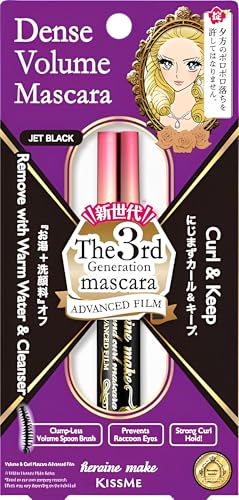
- ✅ Strong curl-holding power (great for straight lashes)
- ✅ Hybrid formula resists oil + moisture well
- ✅ Adds structure without losing separation
- ❌ Needs oil-based remover for easy Removal
- ❌ Slightly firmer feel than tubing mascaras
- ❌ Can clump if over-layered
💡 Field Notes — Engr. Nusrat (Heat/Humidity Test)
“The curl stayed lifted even after a humid day. Very little transfer, even with oily lids.”
- ⭐ Editor’s Note: One of the strongest picks here if you need both smudge resistance + long-lasting curl.
Many buyers share their experience on Amazon — you can read their reviews here.
💡 Care Tip: Use a gentle oil-based remover — this formula is built to resist breakdown.
If your issue is smudging + lashes dropping flat, hybrid formulas like this usually perform better than tubing alone.
Balancing oil resistance with curl support is what makes this type stand out.
But if you care more about clean wear and visible length, the next one shifts toward tubing performance.
Thrive Causemetics Liquid Lash Extensions Tubing Mascara
Best tubing pick for length and definition
This is one people usually try when they want length without dealing with smudging all day.
It leans fully into tubing technology — forming lightweight sleeves around each lash instead of using wax-heavy buildup.
That’s why it stays more stable on oily lids and still holds up well when eyes water lightly.
Instead of breaking down into shadows, it stays clean and removes cleanly.
If you want long lashes without under-eye smudging, this delivers.
The finish is more extension-like — separated, defined, and visibly longer rather than thick or heavy.

- ✅ Tubing formula resists oil + light tears
- ✅ Strong length + clean definition
- ✅ Easy warm-water removal
- ❌ Higher price than many tubing mascaras
- ❌ Can clump if over-layered
- ❌ More length-focused than volumizing
💡 Field Notes — Dr. Sazia (Heat/Humidity Test)
“I wore this through a long shift, and the length stayed clean without under-eye smudging.”
- ⭐ Editor’s Note: A clear pick if your priority is clean wear + visible length without irritation.
To see current ratings and availability, you can visit the Amazon page here.
💡 Care Tip: Remove with warm water + gentle pressure — no heavy rubbing needed.
If you want smudge resistance + easy Removal, tubing mascaras like this are usually the safest bet.
They help control transfer without making Removal more irritating.
If you need more precision, the next pick shifts direction.
MAC Extended Play Gigablack Lash Mascara
Best for lower lashes and precision control
This is usually where we go when smudging shows up under the eyes first.
A lot of mascaras fail here simply because they deposit too much product too quickly — especially on damp lower lashes. This one fixes that with an ultra-slim brush that gives much tighter control.
If your lower lashes always smudge first, this gives better control.
The finish is clean and defined, not heavy, which actually helps reduce movement during the day.
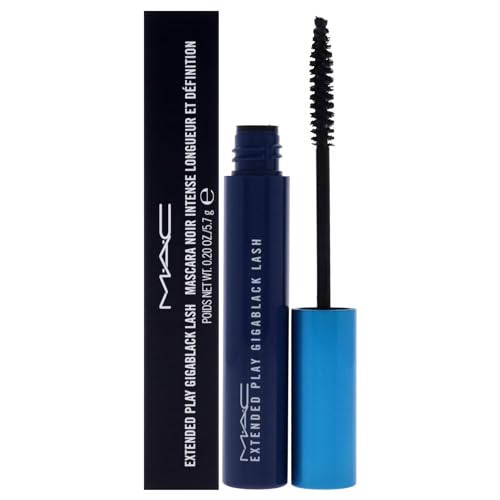
- ✅ Ultra-slim brush prevents over-application
- ✅ Great for lower lashes and inner corners
- ✅ Long-wear formula with minimal smudging
- ❌ Not for dramatic volume
- ❌ Slim brush can feel slower
- ❌ Slightly higher price for a precision mascara
💡 Field Notes — Fauzia (Heat/Humidity Test)
“The slim brush made lower lashes much easier to control, and I didn’t get the usual smudges.”
- ⭐ Editor’s Note: Best fit when smudging starts in detailed areas, especially watery lower lashes.
Some buyers share helpful feedback on Amazon — you can see their reviews here.
💡 Care Tip: Be gentle when removing lower-lash mascara — that area is more sensitive.
If smudging happens under the eyes, application control matters more than formula strength.
Smaller brushes reduce transfer by limiting excess product.
That control is often what makes the difference.
But if you want a simpler, everyday tubing option, the next one keeps things minimal.
Blinc Original Tubing Mascara
Best classic tubing formula for clean everyday wear
This is one of those mascaras people stick with when they just want something that works — no drama, no heavy buildup.
It uses a classic tubing formula, wrapping lashes in lightweight sleeves that stay more stable with oil and light watering.
If you just want mascara that doesn’t smudge, this stays cleaner.
The finish is soft and natural — more “your lashes but better” than bold or dramatic.
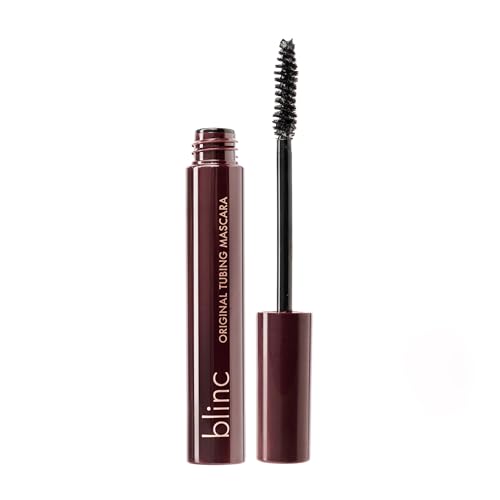
- ✅ Tubing formula resists oil-related smudging
- ✅ Gentle warm-water removal
- ✅ Natural everyday definition
- ❌ Not for dramatic volume
- ❌ Can clump if rushed
- ❌ Mixed feedback on very long wear
💡 Field Notes — Dr. Rabeya (Heat/Humidity Test)
“It stayed cleaner than most mascaras on an oily-lid day. Removal felt easy, which made a big difference.”
- ⭐ Editor’s Note: A reliable, no-fuss tubing option for clean wear and easy Removal.
For updated reviews and feedback, you can see the Amazon listing here.
💡 Care Tip: Let warm water soften the tubes before removing — avoid tugging.
If your goal is less mess throughout the day, classic tubing formulas like this are usually the safest pick.
If oil is clearly the main reason your mascara keeps transferring, our dedicated guide goes deeper into the formulas that stay cleaner on greasy lids:
They focus on staying clean rather than building heavy volume.
But if you want a similar effect at a lower price, the next one is a budget-friendly option.
Revolution Beauty London Wrap Lash Tubing Mascara
Best budget tubing option for oily lids and watery eyes
This is where we usually start if you want to try tubing mascara without spending much.
It follows the same core idea — wrapping lashes in polymer sleeves — which helps reduce transfer from oil and light moisture.
If you want tubing performance without spending too much, this is a solid starting point.
The wear feels slightly firmer, which helps it hold up better when eyes water occasionally.

- ✅ Budget-friendly tubing option
- ✅ Helps reduce smudging on oily lids
- ✅ Good wear for the price
- ❌ Slightly wet/sticky texture
- ❌ Mixed feedback on clumping
- ❌ Removal can take a bit longer
💡 Field Notes — Engr. Nusrat (Heat/Humidity Test)
“It held up better than I expected for the price. It didn’t disappear the moment my eyes watered.”
- ⭐ Editor’s Note: A practical entry point if budget matters more than perfect texture.
You can also see what verified buyers mention in the Amazon reviews.
💡 Care Tip: Let warm water sit for a few seconds before removing — helps tubes slide off easily.
If you’re unsure about tubing mascaras, this makes the transition easier.
It lets you test smudge resistance without a high commitment.
But if you need stronger resistance for heavy tears or humidity, the next option shifts toward waterproof performance.
Clinique High Impact Waterproof Mascara
Best traditional waterproof option for heavy moisture exposure
This is the one we lean toward when tears or humidity are the stronger part of the combo problem.
Think tears, sweat, humidity, or long outdoor days where mascara usually breaks down fast. Instead of flexible tubing, this uses a rigid waterproof film, which helps it stay intact when softer formulas would give up.
If the moisture side of the combo keeps ruining your mascara, this usually holds longer.
You also get a more classic mascara look — visible length and some volume — instead of the lighter finish tubing formulas give.

- ✅ Strong waterproof hold against tears + humidity
- ✅ Ophthalmologist-tested for sensitive eyes
- ✅ Builds length + volume with a classic finish
- ❌ Harder to remove than tubing formulas
- ❌ Not ideal for very oily lids alone
- ❌ Can clump or slightly smudge for some
💡 Field Notes — Dr. Sazia (Heat/Humidity Test)
“This held up best when my eyes watered constantly. It felt much more reliable in humid conditions.”
- ⭐ Editor’s Note: Best choice when moisture resistance matters more than easy Removal.
If you’d like more opinions, you can see what Amazon buyers are saying here.
💡 Care Tip: Use a bi-phase or oil-based remover — avoid rubbing.
If mascara failure comes from heavy moisture, waterproof formulas usually outperform tubing.
And that’s exactly why choosing the right formula type matters most.
Quick Product Match Guide
If you want the fastest starting point, use this instead of rereading every review.
Quick Match Guide
- Most sensitive / safest start → Clinique Lash Power
- Need curl hold too → Heroine Make Advanced Film
- Want length + clean tubing wear → Thrive Liquid Lash Extensions
- Lower lashes smudge first → MAC Extended Play Gigablack
- Simple everyday tubing → Blinc Original Tubing Mascara
- Budget tubing option → Revolution Beauty Wrap Lash
- Heavy moisture (tears/humidity) → Clinique High Impact Waterproof
👉 When oil + tears are both involved, choosing the right formula type first solves more than switching randomly between mascaras.
Tubing vs. Waterproofing in Real Life: Which One Is Better for You?
Now, let’s simplify this based on what actually happens when oil and moisture show up together.
When both are present, mascara doesn’t fail in just one way — it breaks down faster, transfers more, and becomes harder to control.
- Tubing mascaras usually perform best here: Because oil doesn’t break down the polymer film as easily, they stay cleaner on the skin even when the lids get greasy.
- Hybrid formulas come next: These balance structure + flexibility, which helps when you need both hold and resistance.
- Waterproof mascaras can still work, but mostly when the moisture side is stronger than the oil; otherwise, they can smudge or break down unevenly.
If you live in humid weather
Humidity makes the moisture side of this combo worse.
But when oil is also involved → tubing or hybrid formulas usually stay cleaner
If your entire eye makeup tends to break down in humid weather (not just mascara), this guide explains why it happens and how to prevent it:
- 📌 Eye Makeup Melting in Humidity
If allergy season makes your eyes water
Removal matters just as much as wear. This matters most when watering is happening alongside oil-related transfer.
Tubing mascaras are usually more comfortable because:
- They remove with warm water
- require less rubbing
- reduce irritation
If your lashes don’t hold curl
Hybrid formulas usually work better.
They combine:
- wax → holds curl
- polymer → improves wear
👉 Simple formula rule:
- Tubing → best for oil
- Waterproof → best for moisture
- Hybrid → best balance + curl
Common Mistakes That Make Mascara Smudge Faster
Sometimes it’s not just the formula — small habits can make a good mascara fail faster.
- Applying mascara over fresh skincare: Skin stays slightly slippery → increases transfer
- 👉 Let skincare absorb first
- Applying too many wet coats: Soft layers move more easily
- 👉 Use thin layers
- Not wiping excess product: Overloaded wand = more clumping + transfer
- 👉 Wipe before applying
- Applying directly to the lash root: That’s where oil is highest
- 👉 Start slightly away from the root
- Using mascara on constantly damp lower lashes: Moisture makes pigment migrate faster
- 👉 Go lighter — or skip lower lashes
- Using old mascara or pumping the wand; Dries formula + makes it unstable
- 👉 Replace regularly
How to Make Mascara Last Longer When Oil Builds Up During the Day
Even the right mascara can struggle if oil builds up during the day.
A few small tweaks can reduce how much the formula has to fight — and keep lashes cleaner for longer.
- Let skincare absorb first: Eye creams and sunscreen can act like a slippery layer if they’re still sitting on the skin. Give them a few minutes to settle so the mascara can set properly.
- Lightly powder the lids or the under-eye area: A thin layer of translucent powder helps absorb surface oil. No need to overdo it — just enough to reduce shine.
- Blot excess oil during the day: If lids get shiny, gently blotting helps prevent oil from transferring onto lashes during blinking.
- Keep mascara coats thin: Thick layers stay soft longer and break down faster.
- Thin coats set faster and stay more stable.
- Choose lighter, faster-setting formulas: Tubing and hybrid formulas usually dry faster than wax-heavy mascaras, so they move less on oily lids.
- Mascara top coats — manage expectations: They can add a light barrier, but it won’t fix a formula that already struggles with oil.
👉 The biggest improvement comes from formula + prep, not extra layers.
What If Sensitivity Makes the Watery-Eye Side Worse?
This is different from normal watering because irritation itself can cause more tearing.
Sometimes the issue isn’t the weather. It’s the formula.
If mascara stings, sheds, or feels irritating, your eyes may respond by producing more tears, which then breaks down the mascara faster.
💡 Signs it’s sensitive (not just watering):
- Burning or stinging during application
- Redness along the lash line
- Tearing shortly after applying mascara
- Symptoms improve after removing it
When this happens, switching formulas helps more than trying to “make it work.”
Look for mascaras that are:
- ophthalmologist-tested
- low in fragrance
- simpler in formulation
- easy to remove (low rubbing needed)
🧪 Dr. Sazia (Medicine Doctor & A Beuty Enthusiast)
“If mascara causes stinging or redness, stop using it. Ongoing irritation can increase tearing and make smudging worse.”
Removal matters here, too.
Formulas that require heavy rubbing can irritate the eyelid margin → trigger more tearing → and make the next wear worse.
This is especially important for contact lens wearers or those with sensitive eyes.
If irritation keeps returning, it’s worth speaking with an eye-care professional.
Removal Matters More Than Most People Think
A mascara that survives the day is only half the story.
👉 How it comes off matters just as much.
Different formulas break down differently — and using the wrong method can cause irritation.
💡 Quick Removal Guide
- Tubing mascara → warm water + gentle pressure
- Waterproof mascara → oil/balm/bi-phase remover
Tubing mascaras: They release with warm water (around shower temperature) and slide off in soft tubes.
👉 Less rubbing → less irritation for watery eyes
Waterproof mascaras: They don’t break down with water. Trying to remove them without oil usually leads to rubbing, and that’s where problems start.
Over time, difficult Removal can:
- irritate the lash line
- disrupt the tear film
- increase watering
💡 Why rubbing makes things worse:
Most irritation happens during Removal, not wear.
More rubbing → more irritation → more tearing → more smudging next time.
💡 Easy removal = better long-term comfort
If your eyes water easily, gentler formulas usually perform better over time.
💡 Quick safety habit
Replace mascara every ~3 months.
Old formulas become unstable and can increase irritation.
Replace sooner if the tube smells off, feels dry, or starts irritating your eyes.
Who This Type of Mascara Is Not For
These mascaras are designed for oil + moisture resistance — which isn’t everyone’s main problem.
You may prefer something else if:
- You like very soft, fluffy lashes
- Your main issue is curl, not smudging
- You just want a simple, everyday mascara
- Your eyes are extremely sensitive or dry
These formulas aren’t “too strong” — they’re just built for a specific problem.
Frequently Asked Questions
❓ Is waterproof mascara always better for oily lids?
No. Waterproof resists water — not oil. Wax-based formulas can still break down with sebum.
❓ Why does mascara smudge under my eyes?
Usually, because the area stays slightly damp.
Common causes:
– watery eyes or allergies
– blinking or rubbing
– heavy lower-lash application
❓ Can oily eyelids break down mascara faster?
Yes. Sebum (especially squalene) softens wax-based formulas, making transfer more likely.
❓ Is tubing mascara better for watery eyes?
Often yes. It resists moisture better and removes gently with warm water.
❓ What’s safest for sensitive, watery eyes?
Formulas that are:
– ophthalmologist-tested
– low in additives
– easy to remove
If irritation continues, stop using the product.
Final Takeaway
If mascara keeps smudging, the fix usually comes down to matching the formula to the problem.
Quick Decision Guide
- Mostly oily lids → tubing or oil-stable formulas
- Mostly watery eyes → gentle long-wear or tubing
- Both → tubing first, hybrid second
- Need curl hold → hybrid formulas
- Sensitive eyes → easy-removal formulas
From this guide:
- Clinique Lash Power — gentle tubing
- Heroine Make — curl + hybrid hold
- Thrive Liquid Lash Extensions — tubing + length
- MAC Extended Play — precision
- Clinique High Impact Waterproof — moisture resistance
👉 Bottom line: It’s not about choosing the strongest mascara — It’s about choosing one that handles both oil + moisture at the same time.
👀 Before You Move On
If smudging still happens even after switching formulas, our dedicated guide breaks down the most reliable no-transfer mascaras for all-day wear:
Last update on 2026-08-23 / Affiliate links / Images from Amazon Product Advertising API