
⚡ Quick Answer
The best mascara for contact lens wearers is one that stays structurally stable around your lenses — meaning minimal flaking, low oil migration, and Removal that doesn’t require aggressive rubbing.
Fiber-free, low-migration formulas — especially tubing mascaras built on flexible polymers instead of wax-heavy oils — are typically the most lens-compatible choice for reducing irritation and mid-day blur.
If you wear contacts, you already know the struggle. One tiny flake can turn into gritty discomfort. A little smudge can cloud your vision. And watery eyes by 3 PM? Not fun.
The truth is, the best mascara for contact lens wearers isn’t about drama or extreme volume. It’s about mechanical stability. Low flaking. Clean Removal. And formulas that don’t cling to modern silicone hydrogel lenses.
We’re not looking for hype.
We’re looking for clarity, Comfort, and formulas that won’t interfere with your tear film or lens surface.
👀 Before We Dive In –
Not all mascaras behave the same way around contact lenses — especially if you wear silicone hydrogel lenses or use rewetting drops during the day. Formula chemistry and removal method matter more than buzzwords on the tube.
This guide stays tightly focused on one goal: contact-lens compatibility first, aesthetics second.
If you’re exploring related guides, feel free to bookmark these and come back after:
✨ Inside This Guide
🌸 Psst…
Some links in this post are affiliate links. If you shop through them, we may earn a small commission at no extra cost to you — like a little coffee while we keep testing beauty favorites. ☕💄
Why Mascara Feels Worse With Contacts
If you’ve ever thought, “This mascara feels fine without lenses… so why does it bother me now?” — you’re not imagining it.
Contacts change the environment of your eye. And that changes how mascara behaves.
First, flakes don’t just fall away. When you wear lenses, tiny particles can land directly on the lens surface instead of your skin. That’s when vision turns slightly hazy. Not fully blurry. Just… off.
Then there’s the oil issue. Most modern contact lenses are made from silicone hydrogel. They’re excellent for oxygen flow. But silicone is naturally lipophilic — meaning it attracts oils.
Traditional mascaras contain waxes and oils. When smudging happens, those ingredients don’t just smear. They can cling to the lens surface.
Older HEMA-based hydrogel lenses are less oil-attracting than silicone hydrogel — but they’re also less breathable. Either way, oil-heavy breakdown, residue, or remover exposure increases the risk of film interacting with your tear layer.
And once that film disrupts your tear stability, your eye reacts.
That’s where the foreign body sensation kicks in. A tiny flake that wouldn’t bother you otherwise suddenly feels amplified because it’s interacting with both your lens and your cornea. Blinking intensifies it. Rewetting drops can redistribute it.
So it’s not that your eyes are “too sensitive.” It’s those contacts that make the eye less forgiving.
What this means for you: the less oil-heavy breakdown, fiber shedding, and brittle pigment a formula produces, the clearer and more comfortable your lenses are likely to stay throughout the day.
What Makes a Mascara Contact-Lens Friendly?
Not every mascara is built the same. And when you wear contacts, small differences matter more than you think.
Here’s what actually makes a mascara contact-lens friendly — without pretending anything is universally risk-free.
Low-Flake Formula
Flaking is the number one comfort killer. Once dry pigment starts shedding, those particles can land on the lens surface and disrupt clarity. A low-flake formula stays flexible instead of turning brittle and dusty by midday.
Fiber-Free Construction
Lengthening mascaras often use nylon or silk fibers to extend lashes. Those fibers are lightweight and mobile. If they migrate into the tear film, they can get trapped under a lens and feel sharp or scratchy. Fiber-free formulas reduce that risk.
Flexible, Non-Brittle Wear
Stiff, wax-heavy mascaras can crack as they dry. Flexible polymer-based formulas move with your lashes instead of snapping off in tiny fragments. Less cracking = fewer micro-particles drifting toward your lenses.
Easier, Low-Friction Removal
If Removal requires aggressive rubbing or heavy oil-based solvents, that’s a red flag for contact lens wearers.
The more friction you create at the lash line — and the more oil residue left behind — the higher the chance of irritation or next-day lens haze.
“Ophthalmologist-Tested” as a Signal — Not a Guarantee
This label suggests the formula was evaluated for eye-area use. It does not mean zero risk. It doesn’t override ingredient sensitivity. And it doesn’t promise universal compatibility.
Similarly, “hypoallergenic” is not a regulated medical term. It generally signals an attempt to reduce common irritants — not that a formula is allergy-proof.
Both labels can help narrow your shortlist. Neither replaces ingredient awareness nor personal tolerance.
When we choose products for this list, we prioritize formulas that combine these markers with low-flake, fiber-free construction and controlled Removal.
The goal isn’t to find something perfect. It’s to choose a formula that minimizes flaking, oil migration, and removal stress while you’re wearing lenses.
Ingredients & Formula Types to Look For (And Avoid)
This is where things get technical — but stay with us.
The difference between a comfortable day and cloudy lenses usually comes down to formula mechanics, not just brand name.
Tubing vs Traditional
Traditional mascaras are built on waxes and oils. Beeswax, paraffin, and similar bases hold pigment in place. They work well on bare lashes. But around contact lenses, oil-heavy systems increase the chance of transfer.
And when that transfer reaches a silicone hydrogel lens surface, residue can linger. Tubing mascaras are different.
Instead of a wax-heavy suspension, they use film-forming polymers (often acrylates copolymers) that wrap each lash in a flexible coating. That structure matters.
- Tubes flex instead of cracking → less flaking
- Polymer films are less oil-driven → lower migration risk
- Removal happens with warm water + gentle pressure → typically no heavy oil solvents required
So instead of dissolving into oily residue, the formula releases in soft pieces.
🧪 Materials & Formula Insight:
Silicone hydrogel lenses are lipophilic — they attract oils. Wax-based mascaras are oil-rich, so transfer risk increases.
Polymer-based tubing formulas are structurally different. They form cohesive films that are less prone to oil-based migration, which reduces the likelihood of lens contamination.
That difference in chemistry is why tubing technology is often one of the most lens-compatible options.
Fiber Mascaras (Risk Awareness)
Fiber mascaras use tiny nylon or silk fibers to extend lash length. They create dramatic results. But they also introduce loose particulates.
If those fibers shed — even slightly — they can:
- Drift into the tear film
- Get trapped beneath a lens
- Create a sharp, scratchy foreign-body sensation
People who already experience dryness, watery eyes, or frequent blinking irritation should be cautious here. Fiber formulas aren’t automatically unsafe. But they increase migration risk compared to fiber-free designs.
If Comfort is your priority, fiber-free usually wins.
Waterproof vs Long-Wear (Reframed)
Waterproof formulas are built for maximum hold. They resist sweat. Tears. Humidity.
But that strength comes at a cost.
- High hold often means heavier wax + film-former systems
- Removal usually requires oil-based or bi-phase solvents
- Oil-heavy removers can leave residue on the lash line — and if lenses are reinserted too soon, that residue may interfere with clarity
For contact lens wearers, waterproof is best treated as an occasional tool — not an everyday default.
Long-wear or tubing formulas tend to strike a better balance. They stay put during the day but don’t require aggressive scrubbing at night.
Comfort and clarity matter more than extreme hold.
Best Mascara for Contact Lens Wearers (Top 7 Picks)
⚡ Quick Decision Snapshot:
- Want the safest daily Comfort? → Clinique Lash Power
- Want bolder tubing drama (with careful application)? → tartelette XL
- Want luxury + ultra-clean wear? → Hourglass Unlocked
Clinique Lash Power Tubing Mascara
Best Overall Mascara For Contact Lens Wearers
If we’re choosing the best mascara for contact lens wearers as a true daily driver, this one earns it for structural stability.
It’s a tubing-style formula built to minimize flaking and reduce oil-driven migration — two of the most common triggers for lens haze.
The key advantage is mechanical integrity. Once it sets, it forms flexible tubes that are less likely to shed brittle pigment into your tear film throughout the day.
Best for: workdays, dry-eye days, long wear without haze.

- ✅ Tubing-style polymer wear = low flake + low migration risk for many
- ✅ Lightweight, clean length (definition over drama)
- ✅ Warm-water removal (less reliance on oil-heavy removers)
- ❌ Anyone wanting thick, night-out volume
- ❌ Those who dislike the learning curve
- ❌ Anyone who scrubs dry with wipes first (increases friction)

💡 Lash Lab Notes — Dr. Rabeya (Comfort + Lens Day Test):
“Stayed clean through a full contact-lens day — no gritty fallout. Removal was easiest when warm water softened the tubes first.”
- ⭐ Editor’s Note: With tubing mascaras, technique matters. Warm water first → gentle slide-off. Aggressive rubbing increases friction — and friction is not lens-friendly.
If you want a set-it-and-forget-it option that prioritizes clarity and low migration, this is a strong everyday pick.
tartelette XL Tubing Mascara
Best Tubing Option (When Applied Lightly)
This is the more dramatic tubing pick — but lens wearers need controlled application. When layered thinly, it forms defined polymer tubes that resist oil-based smudging and reduce mid-day blur risk.
Heavier coats, however, increase the chance of small tube fragments, which can matter for lens wearers prone to clouding.

- ✅ True tubing polymer system for many users
- ✅ Buildable length with controlled layering
- ✅ Warm-water removal (reduces oil-solvent dependence)
- ❌ Those who already experience frequent lens haze
- ❌ Anyone sensitive to wetter formulas
- ❌ Users expecting ultra-soft, feathery finish
💡 Lash Lab Notes — Engr. Sneha (Wear + Removal Test):
“One thin coat first, let it set, then add selectively. Controlled layering reduced clumps and minimized tiny tube fallout.”
- ⭐ Editor’s Note: For contact lens wearers, this performs best with deliberate, lighter coats rather than heavy layering.
If tubing formulas are your comfort zone:
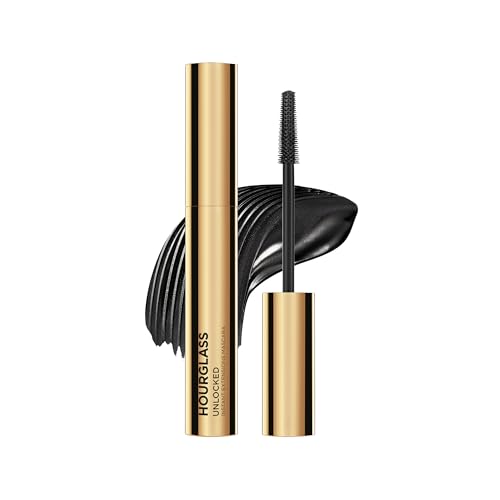
Hourglass Unlocked Instant Extensions Mascara
Best Luxury Tubing Option
If you want a high-end tubing formula that prioritizes cohesive film integrity, Hourglass Unlocked is a strong contender.
It uses flexible polymer film instead of heavy wax suspension — lowering flake potential and reducing oil-driven migration into the tear film.
It lengthens cleanly, stays flexible, and removes with warm water rather than oil-heavy solvents — helping limit residue that can interfere with next-day lens clarity.
- ✅ True tubing polymer formula (low flake, lower migration risk)
- ✅ Long wear without heavy wax breakdown
- ✅ Warm-water removal
- ❌ Those wanting thick volumizing drama
- ❌ Budget-focused shoppers
- ❌ Anyone unwilling to layer lightly
💡 Lash Lab Notes — Trona (Performance Wear Test):
“10+ hours with minimal fallout. Warm water + gentle pressure released the tubes cleanly.”
- ⭐ Editor’s Note: For lens wearers, the benefit is structural: flexible film-forming polymers maintain integrity instead of breaking into oily smudges when eyes water.
If lens clarity and low flaking are top priorities, tubing systems are often the most mechanically stable choice.
ILIA Limitless Lash Mascara
Clean + Everyday Comfort
ILIA sits in the comfort-first category. While not a full tubing formula, it’s designed to remain flexible and resist brittle flaking — reducing micro-particle drift toward lenses when applied in moderate layers.
The dual-sided wand improves separation and lowers product overload, directly reducing migration risk.

- ✅ Flexible wear (less rigid cracking)
- ✅ Separation-focused wand control
- ✅ Removal with warm water or a gentle cleanser
- ❌ Extremely humid or sweat-heavy conditions
- ❌ Anyone needing waterproof-level hold
- ❌ Users highly sensitive to scent
💡 Lash Lab Notes — Dr. Rabeya (Daily Wear Observation):
“Minimal fallout when layered lightly. Heavier coats increased lower-lash transfer risk.”
- ⭐ Editor’s Note: This isn’t a bulletproof formula — and that’s partly why some lens wearers prefer it. Less rigidity often means fewer brittle fragments.
For everyday Comfort over extreme drama, moderate layering keeps this more lens-friendly.
Almay One Coat Multi-Benefit Mascara
Best Drugstore for Sensitive-Prone Eyes
If you’re looking for a budget-friendly option that doesn’t leave your lenses hazy by noon, Almay One Coat is one of the steadier drugstore picks.
The formula is designed to stay flexible rather than rigid — and flexible films are less likely to crack into brittle fragments that drift toward the lens surface.
It’s not dramatic. It’s not heavy. And that lighter load is part of why some contact lens wearers prefer it — fewer layers typically mean less migration risk.

- ✅ Lightweight feel — less rigid cracking
- ✅ Lower flake tendency than heavy wax builds
- ✅ Removes with water or gentle cleanser
- ❌ Extreme volume in one swipe
- ❌ High-humidity, high-sweat days
- ❌ Users sensitive to packaging redesign changes
💡 Lash Lab Notes — Engr. Sneha (Daily Comfort Observation):
“Lashes stayed flexible through the day. Fallout increased only when layered heavily.”
⭐ Editor’s Note: For lens wearers, flexibility often matters more than hold. Softer films generate fewer brittle micro-fragments than stiff, wax-heavy systems.
If comfort-first wear on a drugstore budget is your goal, this sits in the low-risk everyday category.
Keep coats light for the cleanest performance.
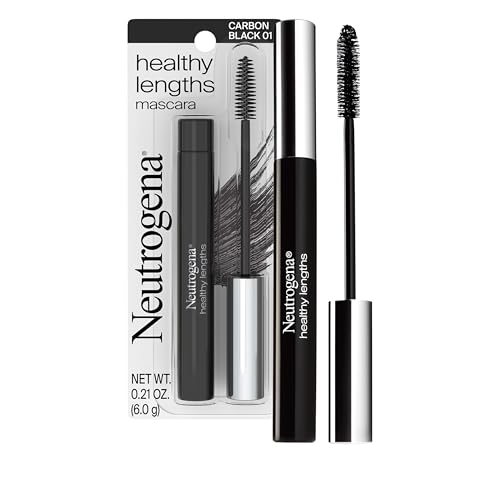
Neutrogena Healthy Lengths Mascara
Everyday Gentle Option
If your priority is soft, separated lashes that don’t shed debris into your tear film, Neutrogena Healthy Lengths is a predictable daily option.
It leans toward length and separation instead of heavy volume, and lighter application helps reduce flake and transfer risk. The formula includes conditioning ingredients like vitamin E and olive oil.
While trace conditioning oils can support flexibility, heavier product buildup or oil-heavy breakdown increases migration potential — especially if lenses are reinserted before the lash line is fully clean.
- ✅ Lightweight structure with minimal crunch
- ✅ Generally low flake when applied in thin coats
- ✅ Ophthalmologist-tested positioning
- ❌ Extreme volume lovers
- ❌ Long outdoor humidity-heavy events
- ❌ Anyone sensitive to occasional thicker batches
💡 Lash Lab Notes — Dr. Trpa (Daily Wear Comfort):
“Thin coats maintained separation and clarity through a workday. Heavier layering increased lower-lash transfer.”
- ⭐ Editor’s Note: For contact lens wearers, less product often performs better than more, especially with traditional (non-tubing) systems where wax breakdown can migrate.
If you want something pharmacy-accessible and steady for daily use, this fits the low-drama, low-fallout lane.
Controlled layering keeps it lens-friendly.
La Roche-Posay Toleriane Waterproof Mascara
Best Pharmacy-Safety Pick
If you wear contacts and have reactive or allergy-prone eyes, La Roche-Posay Toleriane sits in a dermatology-adjacent lane. It offers waterproof hold with sensitive-eye positioning.
Because it’s waterproof, this isn’t an everyday default for most lens wearers. It’s better treated as situational — humidity, long events, or tear-heavy days where holding matters more than removal ease.

- ✅ Allergy-tested positioning
- ✅ Strong hold with controlled flaking for many
- ✅ Frequently reported as non-stinging
- ❌ Daily high-friction removal routines
- ❌ Anyone prone to rubbing during removal
- ❌ Users sensitive to thicker waterproof textures
💡 Lash Lab Notes — Trona (Event Wear Observation):
“Held through humidity without visible fallout. A proper oil-based remover was required, followed by full lens removal before cleansing.”
- ⭐ Editor’s Note: Waterproof systems reduce mid-day breakdown — but oil-based removers are typically required. Residual oil left near the lash line can interfere with lens clarity if lenses are reinserted too soon.
If you need a waterproof hold with pharmacy-sensitive positioning, this is the more controlled side of that category.
Use intentionally. Remove gently.
7 Mistakes Contact Lens Wearers Make
No shame here. Small habits make a measurable difference when you wear lenses.
- 1️⃣ Applying Lenses After Makeup:
Insert lenses before mascara. Otherwise, the lens edge can pick up pigment from the lash line and trap it between the lens and the eye.
- 2️⃣ Pumping the Wand:
Pumping introduces air → dries formula → increases brittleness → increases flake risk.
- 3️⃣ Over-Layering:
Thick buildup cracks as it dries. Thin, controlled coats reduce fragment shedding.
- 4️⃣ Using Expired Mascara:
Aging formulas thicken and shed more easily. Fresh product generally equals smoother wear.
- 5️⃣ Applying on the Waterline:
The inner lid margin contains meibomian glands that stabilize your tear film. Heavy placement there can disrupt tear stability, and unstable tears reduce lens clarity.
- 6️⃣ Rubbing Aggressively:
Rubbing can shift the lens, trap debris, and increase redness. Remove lenses first. Then address irritation.
- 7️⃣ Removing Lenses Too Late:
Remove lenses before using the remover. Oil-based solvents and loosened pigment can coat the lens surface if lenses stay in.
How to Wear Mascara Safely With Contact Lenses
Wearing mascara with contacts isn’t the problem. The sequence and technique are what matter.
Here’s the safest way to do it.
- 1️⃣ Lenses First:
Insert your contact lenses before applying any makeup. This reduces the chance of loose pigment getting trapped beneath the lens during insertion and limits debris from entering the post-lens tear film.
🌐 In fact, the American Optometric Association (AOA) recommends inserting contact lenses before applying eye makeup to reduce contamination and irritation risk.
- 2️⃣ Use Small, Controlled Coats:
Thin layers are more stable than thick ones. Heavy buildup dries stiff. Stiff films crack. Cracks become flakes. Two light coats are generally more lens-friendly than one overloaded swipe.
- 3️⃣ Look Downward While Applying:
Tilt your chin slightly down and look downward while applying.
This reduces the chance of touching the inner lid margin (where meibomian glands sit) and helps keep product off the Waterline. A less margin contact usually means fewer migration issues later.
- 4️⃣ Remove Lenses Before Removing Makeup:
Remove lenses before using the remover. Oil-based and bi-phase removers can coat the lens surface if lenses remain in the eye. Even loosened pigment can adhere during Removal.
Lenses out first. Then remove mascara.
Waterproof vs Washable Decision Matrix
Choosing between waterproof and washable isn’t about trends. It’s about lens type, tear stability, and removal method.
Here’s the simplified framework:
- If you wear monthly lenses → limit frequent waterproof use.
Monthly silicone hydrogel lenses are more prone to oil accumulation over time. Waterproof formulas often require oil-based removers, and repeated oil exposure increases buildup risk.
- If you use rewetting drops during the day → consider tubing.
Standard washable mascaras can soften with saline exposure. Tubing polymers maintain structural integrity better under tear-film fluctuation, which may reduce mid-day migration.
- If you need mascara for long events → choose controlled long-wear over extreme waterproof.
Balanced long-wear or tubing formulas provide durability without requiring aggressive oil-based Removal every night.
Waterproof isn’t inherently problematic.
It’s simply not the everyday default for most lens wearers.
Signs Your Mascara Is Causing Irritation
Sometimes it’s not the lenses. It’s the formula. Watch for patterns like:
- Redness that doesn’t settle after lens removal
- Blurred vision that improves once the lens is removed
- Gritty sensation that worsens with blinking
- Excess tearing shortly after application
These signs suggest mechanical or chemical irritation — not necessarily infection, but a compatibility issue.
🧪 Dr. Tropa (Medical Doctor & Beauty Enthusiast):
“If redness, foreign body sensation, or vision blur continues after removing both the lens and the makeup, discontinue the product. Reintroduce one variable at a time — either a new lens pair or a new mascara — to identify the trigger. Persistent symptoms should be evaluated by an eye-care professional.”
🌐 The American Academy of Ophthalmology (AAO) advises discontinuing eye cosmetics if irritation or blurred vision occurs and seeking professional evaluation if symptoms persist.
This isn’t about an alarm. It’s about pattern recognition.
If redness, blur, or discomfort continues after lenses and makeup are removed — or worsens over time — pause use and seek professional evaluation.
If symptoms repeat with the same formula, that’s useful information.
Quick Troubleshooting (Mascara on Lens)
If mascara ends up on your lens, stay calm. Avoid rapid blinking, which can drag debris across the lens surface.
Here’s the safest response:
- 1️⃣ Pause Blinking: Minimize eye movement to prevent the particle from spreading across the lens.
- 2️⃣ Remove the Lens Promptly: Gently remove the lens before the pigment distributes further.
- 3️⃣ Palm Rub With Fresh Solution: Place the lens in your palm, apply multipurpose solution, and rub in small circular motions for 10–15 seconds. Rinse thoroughly.
- 4️⃣ Use a Full Peroxide Cycle (If Needed): If residue remains, use a hydrogen peroxide system for a complete cycle. The bubbling action can help lift embedded pigment and oil film.
- 5️⃣ Discard if Clarity Doesn’t Return: If haze, surface film, or distortion persists after proper cleaning, replace the lens. Oil absorption and surface film disruption can permanently affect clarity.
Clear vision is worth more than trying to “save” one lens.
Frequently Asked Questions
❓ Can mascara damage contact lenses?
Oil-heavy and waterproof formulas can leave residue on silicone hydrogel lenses. Repeated oil exposure may contribute to cloudy vision or surface film over time — especially if lenses are not fully cleaned before reinsertion.
❓ Is tubing mascara better?
For many contact lens wearers, yes. Tubing formulas use flexible polymers instead of wax-heavy oils, which reduces flaking and oil-driven migration. They also remove with warm water, limiting reliance on oil-based removers.
❓ Should fiber mascaras be avoided?
If you’re prone to dryness or irritation, fiber formulas increase particulate migration risk. They aren’t inherently unsafe, but fiber-free formulas are often more comfortable for lens wearers.
❓ How often should lens wearers replace mascara?
About every 3 months is a common hygiene guideline. As formulas age, they thicken, dry out, and shed more easily — increasing flake and contamination risk.
❓ Can you wear mascara after an eye infection?
Only after clearance from an eye-care professional. Replace old tubes before reintroducing makeup to reduce reinfection risk.
Final Thoughts
When you wear contacts, mascara isn’t just about lashes. It’s about tear-film stability, lens clarity, and daily Comfort.
- Comfort over drama.
- Lens health over extreme hold.
Choose formulas that prioritize structural stability and low migration.
🎁 Before You Move On
If irritation is your main concern — or smudging is your biggest frustration — these guides focus on those angles:
- 📌 Best Mascara for Sensitive Eyes
- 📌 Best Mascara
- 📌 Best Smudge-Proof Mascara
Last update on 2026-04-01 / Affiliate links / Images from Amazon Product Advertising API