
⚡ TL;DR: dewy skin tint
A good dewy skin tint should make skin look fresh, not slick. Coverage matters. So does texture. Think about how much glow you want, and whether you can easily soften shine around the T-zone.
Top Picks
- 🏆 Best Overall — ILIA Super Serum Skin Tint — radiant serum texture plus mineral SPF
- 🥈 1st Runner-up — Hourglass Veil Skin Tint — sheer hydration with a soft glow
- 🥉 2nd Runner-up — Westmore Supreme Creme Skin Tint — a luminous, more flexible coverage option
Shopping for a dewy skin tint sounds simple. Then every brand seems to mean something different by “glow.” Some promise a gentle sheen. Others look much shinier. We narrowed the choices to real skin tints with different coverage levels, plus one drugstore option. Want full, opaque coverage? A lightweight tint may leave you wanting more.
✨ Inside This Skin Tint Guide
🌸 Psst… A Little Beauty Note!
Some links in this post are affiliate links. If you spot something you love and shop through our links, we may earn a small commission—at no extra cost to you. Our picks are based on thoughtful research and, where mentioned, hands-on experience. Thanks for supporting Dappered Chic! 💕 Read our Affiliate Disclosure
Quick Comparison: Best Dewy Skin Tint
Wondering how these four differ? Here’s the short version. Coverage and finish descriptions come from listed specifications and brand information, not our own wear tests.
| Product | Best For | Coverage | Finish | Caveat |
|---|---|---|---|---|
| ILIA Super Serum Skin Tint | Serum-like daily glow | Light, buildable | Dewy | SPF in makeup needs adequate application |
| Hourglass Veil Skin Tint | Minimal-makeup look | Sheer | Dewy | Not made for fuller coverage |
| Westmore Supreme Creme Skin Tint | Adjustable, skin-like evenness | Light, buildable per brand | Luminous | Cream texture may need targeted setting |
| Maybelline Super Stay Skin Tint | Affordable, more polished glow | Light, buildable per brand | Natural to radiant per brand | Radiance may read softer than a classic dewy tint |
What Makes a Skin Tint Dewy Without Looking Greasy?
Dewy skin catches the light on the cheekbones and other high points. Greasy-looking skin seems shiny all over. The forehead, nose, and chin may show it first. How much we apply and where we set makeup can change that look.
Coverage isn’t the same thing as finish. A sheer tint can glow while leaving freckles visible. A buildable tint can soften uneven tone without becoming an opaque makeup mask.
Before picking a tint, ask a few simple questions:
- Sheer versus buildable coverage: Sheer tints show more of your own skin; buildable ones offer extra evening-out in thin layers.
- Serum versus cream feel: A fluid dropper-style tint and a creamier formula can make very different application experiences.
- Radiance level: Dewy, luminous, and natural are not identical promises. Check how the brand describes the actual finish.
- SPF status: Some tints include sun protection; others do not. A little makeup is not a reliable substitute for applying an adequate amount of sunscreen.
A fresh glow doesn’t make every face product a skin tint. A matte BB cream may be lovely. It’s still answering a different makeup need.
A dewy finish may not be what you want every day. Our broader skin tint guide compares other finishes and formulas beyond this glow-first shortlist.
Four Dewy Skin Tints Worth Comparing
These four tints approach the glow question in different ways. One reminder before the reviews: the recorded shades show specific listings. They are not shade recommendations for everyone. Check the shade against your own skin.
ILIA Super Serum Skin Tint SPF 40
Think of this as a light, serum-like tint with a clearly dewy finish.
Want a complexion product that feels closer to skincare than full-coverage foundation? This is the first one to consider. ILIA describes the Super Serum formula as a tinted product with mineral SPF 40. Its verified listing says dewy finish and light, buildable coverage.
The appeal is pretty clear: everyday radiance with some gentle evening-out. Not a heavy, perfected face. ST7 Diaz is the precise shade in the checked listing, not a one-size-fits-all choice. It is light-medium neutral.
Bottom line: Best for an obvious dewy glow when you want a lightweight, serum-like complexion product and are comfortable with sheer-to-light coverage.

- ✅ The stated dewy finish suits this glow-first guide.
- ✅ Light coverage can build gently while real skin still shows.
- ✅ The label includes mineral SPF 40.
- ❌ Skip this for dramatic correction from a single layer.
- ❌ Oily areas may need a little powder to tame the glow.
- ❌ ST7 still needs checking against your undertone; no shade fits everyone.
🧪 Lash Lab Notes — Mahmuda (Homemaker & Beauty Enthusiast)
My suggestion with a dewy serum tint: start with fewer drops than you think you need. The complexion can keep its natural character when you build only where uneven tone bothers you; add powder just where shine distracts.
- 💡 Editor’s Note: We appreciate that the listing makes both finish and coverage expectations fairly clear. If you’re choosing between a more reflective glow and a softer natural finish, let that distinction guide you before focusing on extra skincare claims. Remember that the SPF label is not permission to skimp on your regular sunscreen routine.
For current buyer feedback on shades and application, browse reviews of ILIA Super Serum Skin Tint.
Best for someone seeking a visibly dewy, lighter-coverage daily base.
For a barely-there look, the next tint deliberately turns down the coverage.
Hourglass Veil Hydrating Skin Tint
This is about the look of fresh skin, with very little hidden.
Maybe we want a rested look, not a whole new complexion. Hourglass describes Veil as a light, hydration-focused tint. Its verified listing calls the finish sheer and dewy.
The verified shade 5 comes in a 1.18-fluid-ounce liquid. That makes this a useful contrast. Instead of asking how much can be covered, we can enjoy how much natural skin still shows.
Bottom line: Best for sheer, fresh radiance if you want your freckles or natural skin to remain visible rather than fully covered.
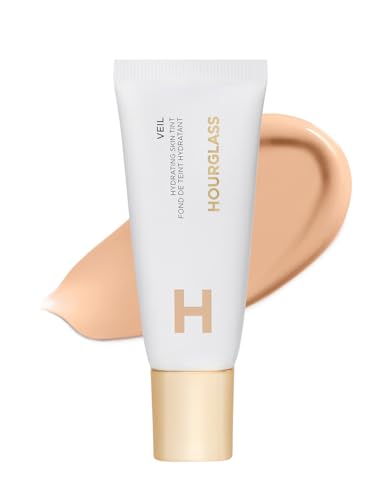
- ✅ Both sheer and dewy are part of the listed finish.
- ✅ Liquid texture makes thin layers a natural starting point.
- ✅ A lovely direction for very minimal makeup days.
- ❌ Sheer coverage will not hide marked discoloration by itself.
- ❌ A prestige pick may not suit an occasional-wear budget.
- ❌ The checked shade 5 may not match your undertone.
🧪 Lash Lab Notes — Engr. Nusrat (Engineer & Beauty Enthusiast)
I see sheer coverage as a design choice, not a shortcoming to fix by piling on product. Apply a thin, even layer first; if one area needs more help, consider targeted concealer rather than defeating the tint’s lightweight purpose.
- 💡 Editor’s Note: We would pick this formula based on how little coverage you actually want, not on a promise of dramatic correction. The shade decision matters just as much as the finish, since a sheer base still has a noticeable undertone. Keep your expectations centered on subtle evenness and a dewy surface.
To compare the shade listing with shopper impressions, see Hourglass Veil Skin Tint reviews.
Suited to low-coverage routines where skin texture is meant to stay visible.
If you prefer a little more flexibility, the cream-based option comes next.
Westmore Beauty Supreme Creme Skin Tint
This cream tint gives us a different route to natural luminosity.
Want to begin sheer and decide about extra coverage later? Westmore Supreme Creme is the flexible choice here. The brand presents it as a natural, luminous skin tint. Its verified listing identifies a cream texture and light coverage.
Westmore describes its coverage as buildable. Think gradual evening-out, not the same as full-coverage foundation. The checked variant is 1W Fair Warm, but our best shade still depends on our own skin tone.
Bottom line: Best for adjustable luminous evenness when you want to start light and build only where needed.

- ✅ The verified listing identifies a luminous finish.
- ✅ Cream form offers an alternative to serum-like liquid tints.
- ✅ Light starting coverage supports an incremental application approach.
- ❌ Anyone who wants a watery fluid texture may prefer a serum-style pick.
- ❌ Oilier skin may prefer targeted setting around the T-zone.
- ❌ Its buildability is brand-described, not independently confirmed by wear testing.
🧪 Lash Lab Notes — Dr. Rabeya (Dentist & Beauty Enthusiast)
I would start with clean hands and a freshly washed application tool are sensible basics for any cream complexion product. Place thin layers on areas that need evening-out, then blend the edges so the finish still resembles skin.
- 💡 Editor’s Note: A creamier format can sound heavier than it really is, but the listed light coverage offers a useful starting expectation. We suggest judging the result after a single thin layer before adding more. That keeps the desired radiance from disappearing under unnecessary product.
See how buyers discuss shades and texture for Westmore Supreme Creme Skin Tint.
Best for shoppers who prefer luminous cream coverage they can build gradually.
The last pick prioritizes accessibility and a slightly more polished finish.
Maybelline Super Stay Skin Tint
An affordable liquid tint with a softer, more natural kind of radiance.
Sometimes a glossy finish is simply too much. So what’s the alternative? Maybelline describes Super Stay Skin Tint as radiant and buildable. The exact shade 118 listing, though, says natural finish and light coverage.
This is the calmest glow in the group. It is not the same as a strongly dewy serum. We would consider it when the goal is polished-looking evenness with a more approachable drugstore price category.
Bottom line: Best affordable, softer-glow option for someone who wants skin tint lightness without the wettest-looking finish.

- ✅ Budget-friendly drugstore brand positioning.
- ✅ The listing identifies a liquid with light coverage.
- ✅ A natural finish can suit shoppers who dislike high shine.
- ❌ The listed natural finish is less overtly dewy than the serum and sheer options.
- ❌ May not satisfy someone seeking the strongest reflective glow.
- ❌ Shade 118 must be matched independently before purchase.

🧪 Lash Lab Notes — Fauzia (University Student & Beauty Enthusiast)
For a fast weekday routine, I suggest applying a thin layer and check the finish in natural light before adding anything else. A modest glow may be easier to manage through a busy day than a very reflective base.
- 💡 Editor’s Note: We kept this one as the practical edge of the dewy spectrum, not as proof that every radiant tint looks the same. If you expect a visibly wet-looking finish, the first two picks are closer to that goal. If affordability matters more than maximum shine, the softer effect may be a worthwhile trade-off.
For recent shade and finish feedback, check Maybelline Super Stay Skin Tint.
A sensible fit for affordable daily makeup with a more subtle radiance.
Whatever your formula, placement can determine whether the final result looks fresh or shiny.
How to Apply Dewy Skin Tint and Control Excess Shine
A little glow in the right place looks intentional. Shine across the entire face? Maybe not. Placement is what helps a dewy formula look fresh.
Step 1:
Prep simply. Start with clean, moisturized skin and let your skincare settle before tinting. Use your usual broad-spectrum sunscreen according to its directions, regardless of whether your makeup also mentions SPF.
Step 2:
Begin with a thin layer. Blend a small amount from the center outward using clean fingers, a brush, or a sponge suited to the formula. Add only where you still want coverage; more product isn’t automatically more flattering.
Step 3:
Keep the glow where you like it. Let the cheeks and high points retain their radiance. If your forehead, nose, or chin gets too reflective, press on a little setting powder only in those areas rather than blanketing your whole face.
Step 4:
Check the result in daylight. Make sure the shade blends across the jaw and that your glow looks even rather than patchy. For extra correction, try a small amount of concealer on a specific spot rather than turning the tint into a thick layer.
The affordable pick here is only one drugstore starting point. Our broader drugstore skin tint guide compares more lower-cost choices across finishes and coverage levels.
Frequently Asked Questions About Dewy Skin Tint
Still unsure how a dewy tint fits into the rest of our routine? These answers cover the usual sticking points.
❓ Is dewy skin tint suitable for oily skin?
It can be, but a shiny T-zone may need lighter application and selective powder. Choose a level of glow you enjoy rather than assuming every “dewy” label behaves alike.
❓ Does Hourglass Veil Hydrating Skin Tint have SPF?
The brand’s Veil Hydrating Skin Tint page does not position the formula as an SPF product. Plan on using your usual separate sunscreen rather than relying on this tint for UV protection.
❓ Can dewy skin tint provide full coverage?
Most of these picks focus on sheer or light coverage, though some allow gradual building. If covering pronounced discoloration is your main goal, use targeted concealer or consider a different base category.
❓ Will ILIA SPF 40 replace sunscreen?
Don’t assume a thin, makeup-style layer delivers the labeled protection in practice. Apply dedicated sunscreen as directed and treat the tint’s SPF as an extra feature rather than permission to underapply.
❓ How do I stop dewy makeup from looking greasy?
Work in thin layers, blend fully, and set only the areas that develop unwanted shine. This keeps the glow visible where it looks most like healthy skin.
Final Thoughts: Find Your Natural Glow
More shine does not automatically mean a better dewy skin tint. ILIA leans into serum radiance. Hourglass keeps things sheer. Westmore offers a creamier luminous feel. Maybelline gives us a softer, more affordable glow.
Pick a finish we actually enjoy seeing in daylight. Match the shade with care. Then start with less, and build only when needed. Fresh skin should still look like our own skin.
Last update on 2026-11-21 / Affiliate links / Images from Amazon Product Advertising API