⚡ Quick Answer
Yes — eyelash extensions should be cleaned regularly. After the first 24–48 hours following a new lash appointment, the safest routine is to use an oil-free lash cleanser, gently clean along the lash line with a soft brush, rinse with lukewarm Water, and avoid rubbing, cotton fibers, or oil-based products that can weaken the adhesive.
Most people clean their extensions once per day to remove oils, sweat, and debris so the lashes stay cleaner, more comfortable, and last longer.
Eyelash extensions look their best when the lash line stays clean. Learning how to clean eyelash extensions properly helps prevent buildup, keeps lashes separated, and supports better retention over time.
Many people worry that Water will ruin their extensions. In reality, once the adhesive has cured, gentle washing usually protects the lashes rather than harming them. The bigger problem is allowing oil, makeup residue, and debris to collect around the lash line.
When that buildup sits near the base of the lashes, extensions may start to look dull, stick together, feel uncomfortable, and shed sooner than expected. A simple cleaning routine helps lashes stay neat, separated, and easier to maintain.
👀 Before We Dive In
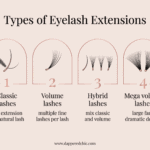
Before learning the cleaning steps, it helps to understand what eyelash extensions actually are and how they work, because their adhesive and lash structure are different from regular false lashes.
✨ Inside This Lash Guide
Why Cleaning Eyelash Extensions Matters
A surprising number of people avoid washing their lash extensions because they believe Water will make them fall out. In most cases, buildup is the real cause of problems, not Water itself.
Throughout the day, the lash line collects skin oils, makeup residue, sweat, and tiny skin flakes. Because eyelash extensions sit on natural lashes, they create extra surface area where residue can settle near the lash base.
Over time, this buildup can lead to several noticeable issues:
- Lashes may stick together
- Extensions can look dull or heavy
- The lash line may feel itchy or irritated
- Retention may shorten
Keeping the lash line clean helps lashes stay separated, comfortable, and well-shaped.
🧪 Dr. Rabeya (Dental Surgeon & Beauty Enthusiast):
“Just like plaque can build up around teeth, debris can collect around the base of lashes. When oils and bacteria accumulate along the eyelid margin, it can irritate the skin and increase the risk of eyelid inflammation if the area isn’t cleaned regularly.”
🌐 According to the American Academy of Ophthalmology guidance on eyelid hygiene, it notes that poor lash-line hygiene can contribute to blepharitis, a common eyelid inflammation linked to debris and bacterial buildup.
What Happens If You Don’t Clean Your Lash Extensions
When lash extensions are not cleaned regularly, residue begins to collect around the base of the lashes. This buildup usually includes skin oils, leftover makeup, dust, sweat, and small skin flakes.
Because extensions sit on natural lashes, they can trap residue close to the lash roots. Over time, this can cause several noticeable changes:
- Lashes may clump together
- The lash line may feel itchy or irritated
- Redness or flaky buildup may appear
- Extensions may shed sooner than expected
Hygiene also affects the small oil glands along the eyelid margin. When residue sits near these glands for long periods, irritation becomes more likely.
🌐 According to the American Academy of Ophthalmology, research on eyelid hygiene notes that debris and bacterial overgrowth along the eyelid margin are commonly associated with blepharitis, a condition involving eyelid inflammation.
If buildup and bacteria remain around the lash line for long periods, they can sometimes lead to irritation or eye infections.
- 📌 How to Prevent Eye Infections From Makeup
When You Can Start Cleaning Eyelash Extensions
Right after a lash appointment, the adhesive needs time to settle. Most technicians recommend waiting 24–48 hours before the first proper wash.
Eyelash extensions are typically attached using cyanoacrylate-based adhesive. The bond forms quickly but remains slightly sensitive during the first day or two.
If lashes become heavily saturated during this early period, retention may be affected. Once that window passes, gentle cleansing usually helps more than avoiding Water because it removes the oils and debris that collect along the lash line.
Technician recommendations can vary slightly depending on the adhesive used, so it is always best to follow the aftercare guidance provided during your appointment.
What You Need Before Cleaning Lash Extensions
Cleaning lash extensions is simple when you use the right tools. The goal is to clean the lash line thoroughly without rubbing, snagging, or leaving residue behind.
Here are the items most lash professionals recommend.
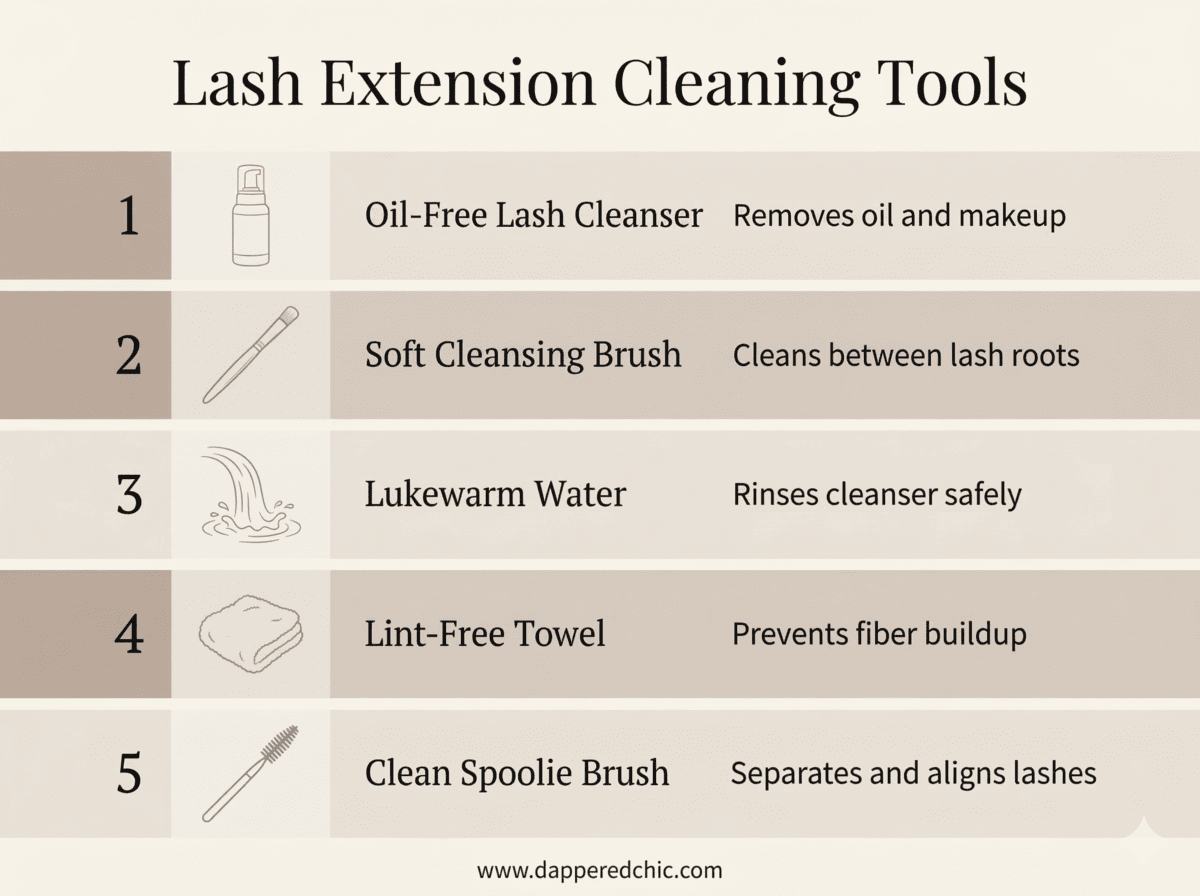
Lash-Safe Cleanser
A dedicated lash cleanser or lash shampoo is designed for extensions. These cleansers are typically oil-free and lightweight, allowing them to remove makeup residue and natural oils without weakening the adhesive.
Many lash cleansers are also formulated to be gentle around the eye area. Regular facial cleansers may contain oils or heavier conditioning ingredients that can interfere with retention.
If you’re unsure which cleanser works safely with lash extensions, it helps to look at formulas specifically designed for extension aftercare.
- 📌 Best Eyelash Extension Cleanser
Soft Lash Cleansing Brush
A soft cleansing brush helps clean the base of the lash line, which is where most buildup collects.
Soft synthetic bristles work best because they move between lashes without pulling. Stiffer brushes are best avoided because they can bend extensions or make cleaning uncomfortable.
Clean Water + Lint-Free Towel
When rinsing your lashes, lukewarm Water is usually the safest choice. Very hot Water can feel irritating, while cold Water may not rinse the cleanser away as easily.
After rinsing, gently pat lashes dry using a lint-free towel or tissue. Cotton towels can leave behind tiny fibers that catch on extensions or collect along the lash line.
Baby Shampoo vs Lash Cleanser
Some people use diluted baby shampoo as a budget alternative, but a dedicated lash cleanser is usually the safer option.
Lash cleansers are designed specifically for extension aftercare. They clean the lash line effectively without leaving residue or introducing ingredients that may interfere with adhesive stability.
Step-by-Step: How to Clean Eyelash Extensions Properly
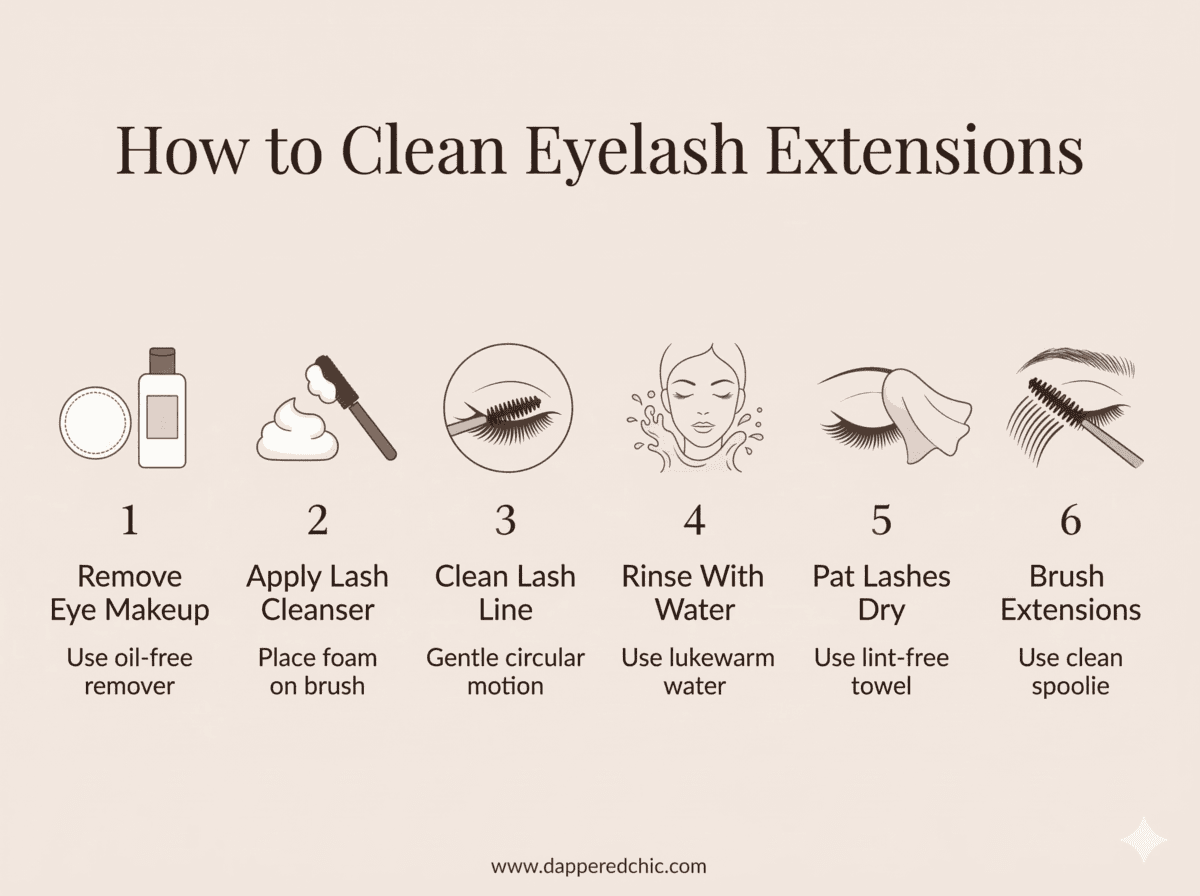
Cleaning lash extensions doesn’t have to be complicated. Once the routine becomes familiar, most people finish it in about one to two minutes.
The goal is simple: remove oil, makeup residue, and debris from the lash line without disturbing the adhesive bond that holds the extensions in place. A gentle routine helps lashes stay clean, comfortable, and well separated.
Step 1 – Remove Eye Makeup
Before washing the extensions themselves, remove any eye makeup sitting on top of the lashes.
Use an oil-free eye makeup remover and apply it gently with a lint-free applicator or pad. Avoid rubbing the lashes or dragging cotton fibers through them, because friction and loose fibers can catch on the extensions.
Instead, lightly press the remover onto the makeup and allow it to dissolve the pigment before wiping it away.
Step 2 – Apply Lash Cleanser
Place a small amount of lash cleanser foam onto a clean brush or the back of your hand.
With your eyes closed, apply the foam along the lash line, where oils and debris usually collect the most. Only a small amount is needed — the goal is to lightly coat the lash roots rather than soak the extensions.
Step 3 – Gently Clean Between Lashes
Using a soft cleansing brush, move the bristles in small circular motions near the base of the lashes.
Then sweep the brush downward along the extensions to clean between the fibers. This motion helps remove particles trapped between lashes without twisting or pulling the extensions.
Keeping the motion gentle is important. Excessive pressure can disturb the adhesive bond and lead to earlier shedding.
Step 4 – Rinse Carefully
Rinse the cleanser away using lukewarm Water.
Most people simply splash Water onto their closed eyelids with their hands or use a small cup of Water.
Avoid placing your face directly under a strong shower stream, because high water pressure can push lashes in different directions and stress the adhesive bond.
Step 5 – Dry Your Lashes Correctly
After rinsing, lightly pat the lashes dry using a lint-free towel or tissue.
Avoid rubbing your eyes, because friction can bend or loosen extensions. Some people also use a small handheld fan to speed up drying. Gentle airflow helps lashes separate as they dry, so they do not clump together.
Step 6 – Brush the Lashes
Once the lashes are mostly dry, use a clean spoolie brush to gently comb through them.
Brushing restores the fan shape of the extensions and helps prevent individual lashes from crossing or tangling. It also keeps the set looking tidy throughout the day.
🧪 Engineer Nusrat (Engineer & Beauty Enthusiast):
“Most lash extension adhesives are based on cyanoacrylate polymers. Oils can gradually soften that bond, which is why oil-free cleansers are recommended for extensions. Keeping the lash line free from oils helps the adhesive remain more stable.”
How Often Should You Clean Eyelash Extensions?
For most people, cleaning eyelash extensions once per day is the safest and most practical routine. Daily cleansing removes natural skin oils, makeup residue, and environmental debris that collect along the lash line throughout the day.
Some situations may require slightly more frequent cleansing:
- Oily skin types may produce more sebum around the eyelids
- Regular eye-makeup wearers may need extra cleansing to remove pigment buildup
- Gym sessions, sweat, or humid environments can leave salt and oil residue
- Dusty or polluted environments may cause particles to settle between the lashes
Keeping the lash line clean helps prevent buildup that can soften the adhesive and cause lashes to clump or shed sooner.
If you want a more detailed breakdown of lash washing routines and timing, this guide explains how often extensions should be cleaned.
- 📌 How Often Should You Wash Your Eyelash Extensions
Common Mistakes That Ruin Lash Extensions
Even when people try to clean their lash extensions, a few everyday habits can shorten the lifespan of the set. Avoiding these mistakes helps protect both the adhesive bond and the shape of the extensions.
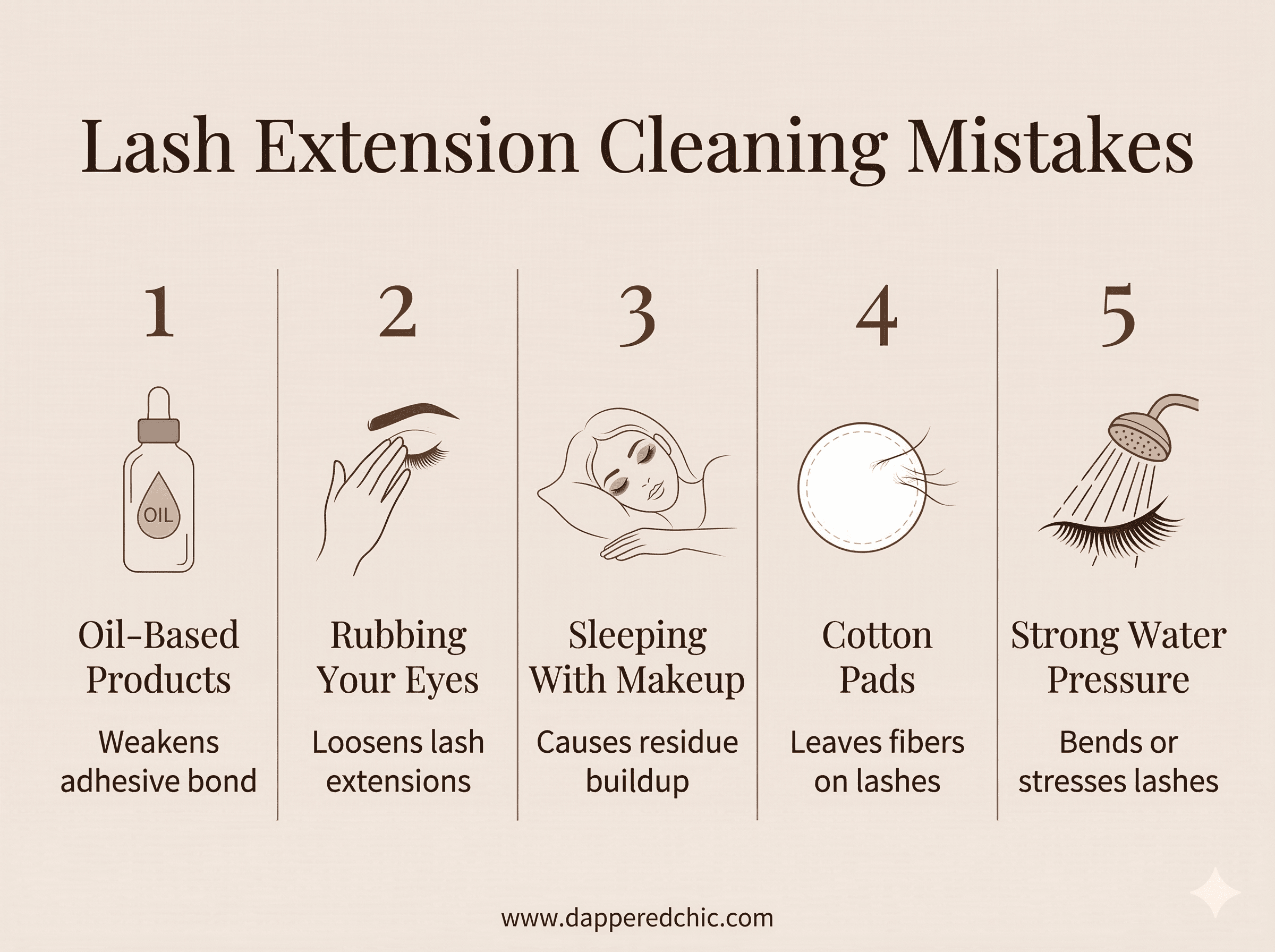
Using Oil-Based Products
Oil is one of the biggest enemies of lash extension adhesive.
Most lash glues rely on cyanoacrylate-based adhesives, and oils can gradually soften that bond. Oil-based makeup removers, cleansing balms, and heavy eye creams may migrate toward the lash roots and weaken retention.
Rubbing Your Eyes
Rubbing the eyes creates mechanical stress on the extensions.
Because lash extensions attach to individual natural lashes, friction can bend the fibers, loosen the adhesive, or pull out natural lashes along with the extensions.
Sleeping With Makeup
Leaving makeup on overnight allows pigments, oils, and bacteria to accumulate along the lash line.
Over time, this buildup can cause lashes to stick together, irritate the eyelids, and make extensions look dull or clumped the next morning.
Using Cotton Pads
Cotton pads and cotton balls can leave behind tiny fibers that easily catch on lash extensions.
These fibers may become trapped near the adhesive bond, which can cause irritation or make the extensions harder to clean properly.
Avoiding cotton fibers is just one small part of maintaining lash extensions properly between appointments.
- 📌 How to Take Care of Eyelash Extensions
Signs Your Lash Extensions Need Cleaning
Sometimes lashes give clear signs that buildup is forming along the lash line. When oil, makeup residue, or debris collects near the base of extensions, the lashes can start to look and feel different.
Common signs include:
- Lashes clumping together instead of fanning out evenly
- Itchiness or mild irritation along the lash line
- Visible residue or flaky buildup near the lash roots
- A dull or slightly greasy appearance
This usually happens when natural oils, skin cells, and cosmetic products collect around the lash follicles. When residue stays on the adhesive bond for too long, it can gradually weaken retention and cause extensions to shed earlier.
Keeping the lash line clean helps lashes stay separated, comfortable, and stable throughout their wear cycle.
Lash hygiene can directly influence how long extensions stay attached before they begin to shed.
Can You Clean Lash Extensions With Regular Face Wash?
Some regular facial cleansers can work with lash extensions, but only under certain conditions.
The most important factor is whether the cleanser is oil-free and lightweight. Heavy cream cleansers or formulas containing oils may soften the adhesive used for extensions and shorten their lifespan.
This is one reason specialized lash shampoos exist. These cleansers are designed to clean the lash line gently without leaving behind residue that could affect adhesive stability.
Texture also makes a difference:
- Foaming cleansers tend to work better because foam can move between lashes and reach the lash roots
- Cream or lotion cleansers are thicker and may leave residue sitting on the lashes
For people who prefer using their regular face wash, choosing a mild oil-free formula and applying it carefully around the lash line can reduce the risk of adhesive breakdown.
However, many lash technicians still recommend dedicated lash cleansers designed specifically for extension aftercare.
What to Avoid When Cleaning Lash Extensions
While cleaning lash extensions is important, using the wrong products or techniques can weaken the adhesive bond or damage the extensions. Most problems occur because of unsuitable products or rough habits.
Products That Can Weaken Lash Adhesive
- Oil cleansers: Oil-based cleansers and cleansing balms can break down the cyanoacrylate-based adhesive used for most lash extensions, which may lead to faster shedding.
- Waterproof mascara: Waterproof formulas often require oil-based removers to dissolve them. These removers can soften the adhesive bond and shorten the lifespan of extensions.
Habits That Can Damage Lash Extensions
- Micellar water misuse: Micellar Water may sometimes be safe if it is oil-free, but soaking cotton pads and rubbing the lashes can create friction and leave fibers behind.
- Steam or strong water pressure: High-pressure Water or heavy steam can bend extensions and place unnecessary stress on the adhesive bond, especially while lashes are still drying.
- Cotton fibers: Cotton balls, cotton pads, and fluffy towels can shed tiny fibers that catch on extensions and collect along the lash line.
Avoiding these habits helps protect the adhesive bond and keeps lashes looking clean and well separated.
How to Keep Lash Extensions Clean Longer
Cleaning your lashes daily is important, but a few small habits can help keep lash extensions cleaner between washes.
Brush Your Lashes Daily
Using a clean spoolie once or twice a day helps separate the lashes and prevents small particles from collecting between them. Brushing also keeps the extensions aligned so they do not twist or tangle.
Avoid Heavy Eye Makeup
Thick mascara, heavy eyeliner, and powder shadows near the lash line can leave pigment and oil residue behind. Lighter eye makeup usually removes more easily and reduces buildup along the lash line.
Be Mindful of Skincare Placement
Eye creams and facial oils can slowly migrate toward the lash line during the day or while sleeping. Applying skincare slightly below the lash line helps reduce the chance of oils reaching the adhesive bond.
Pay Attention to Sleeping Position
Sleeping face-down or pressing lashes into a pillow can push extensions out of place. Sleeping on your back or using a smoother pillowcase can reduce friction and help keep lashes aligned.
Consider Sweat and Pollution Exposure
Exercise, humid weather, and polluted environments can leave sweat, salt, and particles along the lash line. Washing lashes after heavy sweating or dusty exposure helps maintain cleanliness and retention.
When to See Your Lash Technician Instead
Sometimes lash issues are not just about cleaning and may require help from a professional lash technician.
If you notice persistent irritation, residue may have built up along the lash line, or an extension may have been applied incorrectly. A technician can safely clean the lashes and check whether any extensions need adjustment.
Another reason to seek professional help is rapid shedding. If many extensions fall out soon after application, the cause may be improper bonding, environmental conditions, or oil interference rather than hygiene alone.
You should also consult your lash technician if the lash line feels painful or unusually sensitive. Pain can indicate a poorly placed extension or a lash that is twisting against the natural lash.
Allergic reactions — such as swelling, itching, or redness around the eyes — should also be taken seriously. In these situations, professional removal and medical guidance may be necessary if symptoms persist.
If lash discomfort becomes painful or persistent, it may be a sign that the issue goes beyond normal lash aftercare.
- 📌 When to See a Doctor for Eyelash Pain
FAQs About Cleaning Eyelash Extensions
❓Can Water ruin eyelash extensions?
No. Once the adhesive has fully cured, Water itself usually does not ruin eyelash extensions. Gentle washing helps remove oils and debris that could weaken the adhesive over time.
❓Can you shower with lash extensions?
Yes. Most people can shower normally once the adhesive curing period has passed. The main recommendation is to avoid very strong water pressure directly on the lashes.
❓Is baby shampoo safe for eyelash extensions?
Baby shampoo has sometimes been used as a lash cleanser, but specialized lash shampoos are usually preferred because they are designed specifically for the lash line and extension adhesive.
❓Why do eyelash extensions look dirty?
Extensions can appear dirty when oil, makeup residue, and skin debris collect along the lash line. This buildup can cause lashes to clump together or look dull.
❓Can you wear makeup with eyelash extensions?
Yes, but lighter eye makeup is usually easier to remove. Heavy or waterproof products may require stronger removers that can affect the adhesive bond.
Quick Daily Lash Care Routine
If you wear lash extensions, a simple routine can keep them clean and comfortable without taking much time. Many people maintain lash hygiene with a routine that takes about one minute.
- Lightly brush your lashes: Use a clean spoolie to gently brush through the extensions. This separates lashes and removes small particles that may have settled overnight.
- Do a gentle lash wash: Apply a small amount of oil-free lash cleanser to a soft brush and clean along the lash line, focusing on the base of the lashes where debris collects.
- Rinse with lukewarm Water: Splash the lashes gently with lukewarm Water to remove the cleanser. Avoid strong water pressure that could bend the extensions.
- Pat dry carefully: Use a lint-free towel or tissue to pat the lashes dry. Avoid rubbing the eye area to prevent loosening the adhesive.
- Brush once more if needed: When the lashes are mostly dry, lightly brush them again with a spoolie to restore their fan shape.
Simple Maintenance Checklist
- Brush lashes daily
- Wash gently with an oil-free cleanser
- Avoid rubbing or pulling
- Keep cotton fibers away from the lash line
This routine helps keep the lash line clean while allowing extensions to stay separated, comfortable, and well-shaped throughout their wear cycle.
Final Thoughts
Keeping lash extensions clean does not require complicated routines. It simply requires gentle and consistent care.
When the lash line stays free of oil, makeup residue, and debris, extensions usually feel more comfortable, appear fuller, and maintain their shape longer.
The basic idea is simple: clean the lash line regularly, use oil-free products, and handle lashes gently. Small habits like daily brushing and proper washing can make a noticeable difference in both hygiene and retention.
With consistent care, eyelash extensions can stay fresh-looking while supporting the comfort of the delicate eyelid area.
🎁 Before You Go
If you are learning how to clean eyelash extensions properly, it can also help to understand how lash extensions behave over time and how to maintain them between appointments.
You might find these guides helpful:
- 📌 How to Take Care of Eyelash Extensions
- 📌 How Often Should You Wash Your Eyelash Extensions