⚡ Quick Answer: How to Keep Mascara from Smudging
Mascara stays cleaner when we figure out what is causing the transfer first. The usual suspects are wet mascara, oily or emollient skin, lash-to-skin contact, moisture, or a formula mismatch. So we fix the contact surface and application before changing mascara.
- Step 1: Give skincare and eye products time to set.
- Step 2: Cut down the slip where lashes touch skin.
- Step 3: Curl lashes, then keep coats thin.
- Step 4: Give mascara time to set before hard blinking or layering.
- Step 5: Change formula type only when the same transfer pattern keeps returning.
If we want to know how to Keep Mascara from Smudging, timing and location tell us where to start. Did the mark appear while we were getting ready, or did a gray shadow show up at lunch? Those two patterns point to different fixes. Diagnosis first. Extra products second.
✨ Inside This Mascara Guide
Why Mascara Smudges in the First Place
So what should we watch first? The most useful clue is when the smudge appears.
A fresh upper-lid stamp usually means wet mascara touched skin before setting. A smear that arrives hours later more often points to oil, moisture, friction, or repeated lash-to-skin contact.
The eye area can be slick even when it does not look shiny. Naturally oily lids are one reason. Eye cream, facial oil, rich concealer, or another emollient layer near the lash line can create the same slippery surface.
Then there is simple contact. Long upper lashes may stamp the lid as we blink. Lower lashes can brush the under-eye area throughout the day.
What about moisture? Watery eyes, sweat, and humid weather can challenge some formulas. But every smudge is not automatically a waterproofing problem. Location and timing still matter because physical contact can move a formula that handles water well.
There is one more useful split. A smear or stamp is smudging. Small dry particles are flaking.
A flake can smear after we rub it, which makes the two problems look similar later. But when dry debris is the starting problem, we need a different diagnosis. Once we name the failure pattern, the next move gets much easier.
How to Keep Mascara from Smudging in 5 Steps
Where do we start? With one change at a time.
Adding primer, powder, waterproof mascara, and setting spray all together hides the real cause. A smaller change is more useful. If it works, we know what actually stopped the transfer.
Step 1 — Let Eye Products Set
Finish eye cream, moisturizer, sunscreen, concealer, and other base products before mascara. Then give those layers time to settle.
Still seeing gloss around the lashes? Press away obvious excess instead of putting mascara straight over that slick surface.
This is not about skipping hydration. We are not trying to make the under-eye area dry, either. The goal is simply to reduce the movable product that coated lashes can touch later.
If smudging improves after this one change, that is useful information. The contact surface was part of the problem.
Step 2 — Reduce Slip Where Lashes Touch
Do our lids get oily as the day goes on? A thin layer of eye primer can help on the lid. A light touch of translucent setting powder can also help where lashes make contact.
The target is less slippage where lashes touch skin. It is not a heavily powdered eye area.
Keep powder selective, especially on dry or textured under-eyes. A little concealer can set and reduce shine. Too much can make the area look dry while leaving the actual mascara problem untouched.
Step 3 — Curl and Apply Thin Coats
Can we reduce contact before changing the formula? Curling the upper lashes can lift them away from the lid. That removes one common place where the transfer starts.
Then keep the mascara controlled and thin. A thick wet layer takes longer to set and gives us more time to accidentally stamp it onto skin.
If the wand comes out with an obvious blob, remove the excess at the tube opening. Lower lashes usually need even less product.
One light coat is often enough there. That matters especially when the tips sit close to the under-eye skin.
Step 4 — Let Each Coat Set
Wet mascara stamps easily. So what helps here? Time.
Give the first coat a moment to set before adding more. After application, avoid squeezing the eyes shut or blinking hard while the surface still feels freshly wet.
The same idea applies to a second coat. More product does not automatically mean more wear.
Thin layers are easier to control when they get time to set. They also make the diagnosis clearer. We can see whether the problem starts during the application or appears later.
Step 5 — Check Contact Before Changing Formula
Before switching formulas, check the lashes in motion. Look straight ahead and blink normally. Are the upper or lower lashes physically touching skin?
If the same spot keeps making contact, adjust the curl. We can also use less product on the tips, or skip lower-lash mascara on the few lashes that keep brushing skin.
Only after that should the formula become the main variable. Change one variable at a time so we can tell what actually fixed the problem: prep, application, lash position, or mascara.
Still seeing transfer in the same place? Then it makes sense to match the fix more closely to that location.
Match the Fix to Where It Smudges
Where is the smudge showing up? That location can narrow the search quickly.
The same mascara can fail in different spots for different reasons. Use the pattern below as a starting clue. Then change one thing and see what follows.
| Where the smudge shows up | Likely first cause to check | First fix to try | If it still happens |
|---|---|---|---|
| Upper eyelid | Wet mascara or long lashes brushing the lid | Curl lashes, use thinner coats, let mascara set | Reduce lid slip with primer or light powder |
| Under the lower lashes | Lower-lash contact or a creamy under-eye surface | Use less lower-lash mascara and set only the contact area | Skip the most contact-prone lower-lash tips |
| Outer or inner corner | Lash angle plus repeated blinking or watery eyes | Check where lashes touch, then reduce product there | Reassess formula type if moisture is also involved |
| Diffuse gray shadow by midday | Oil/emollient transfer or formula mismatch | Let skincare set, blot excess, prime/powder selectively | Try a more transfer-resistant formula category |
Lower lashes often need their own fix. Copying the upper-lash routine can add steps without solving the contact point.
If the tips touch skin every time we look down, one light coat may be enough. On a few contact-prone lashes, no mascara can work better than another setting product.
Location is a clue, not proof. If the same spot still smudges after we remove obvious contact or slip, the formula becomes a more likely remaining variable.
When Your Formula Is the Problem
What if prep and application are already doing their job? Then the formula choice becomes a useful next step.
Here is the key distinction: waterproof is not the same as transfer-proof. A water-resistant formula may handle tears or humidity better. It can still move when oil or friction is the bigger issue.
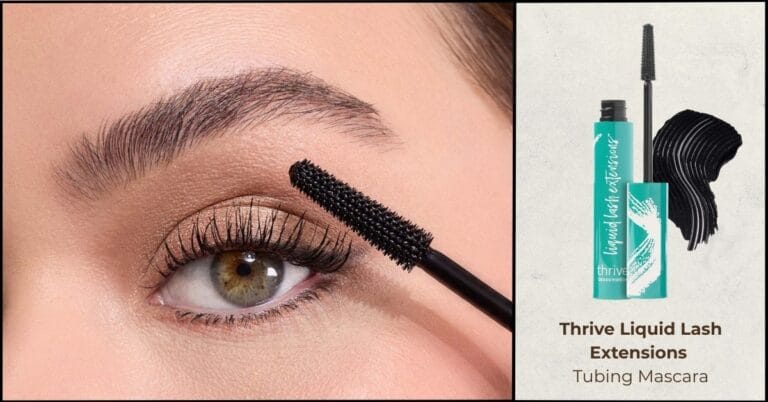
Tubing mascara is another category we can consider. These formulas are designed to form tube-like films around the lashes instead of relying only on a traditional coating.
Many are positioned for smudge- and flake-resistant wear. That can make tubing a sensible experiment when regular mascara keeps transferring. It is still a category choice, though, not a guarantee.
If the contact surface and application are already under control, another prep step may not tell us much. A dedicated smudge-resistant roundup can be more useful. It lets us compare wear styles instead of guessing from a waterproof label alone.
So when technique is no longer the weak link, what changes next? The formula type. That broader comparison belongs in a product-focused guide, not inside this troubleshooting routine.
That handoff makes sense after we have tested the steps above. If we are ready to change mascara instead of changing the base again, it gives us the next comparison. First, though, we should confirm that the problem is a smear rather than dry fallout.
Smudging or Flaking? Check Before You Keep Fixing
Smear or specks? That small difference changes the fix.
Smudging leaves transferred pigment on the skin. Think stamp, streak, or soft gray patch. Flaking looks more like small dry pieces that broke away from the mascara film.
Those dry pieces can smear after we rub them. That is why the two problems can look alike by the end of the day.
But their starting points are different. Powdering an oily lid will not necessarily fix a formula that is shedding dry particles. If we keep seeing specks instead of smears, we should identify that failure mode before repeating the same anti-smudge routine.
Need a closer comparison? The guide below walks through that diagnostic split in more detail.
Once we know the problem is transfer, one exception remains. Sometimes the right move is not another makeup adjustment.
When to Stop Troubleshooting: Irritation, Infection, or Dried-Out Mascara
When should we stop tweaking technique? When the issue starts looking like irritation or an eye-health problem.
A mascara-wear problem should not be treated like a medical symptom. If the eyes are red, painful, persistently watery, or irritated, stop using an irritating eye cosmetic instead of trying to overpower the problem with more primer, powder, or a tougher formula.
According to the FDA, eye cosmetics should be stopped if they cause irritation, avoided during an eye infection or inflamed eye-area skin, and discarded if they were used during an infection. The agency also advises discarding dried mascara instead of adding water or saliva to thin it.
Old or dried-out mascara is not a good candidate for a performance “hack.” Has the texture changed, or has the product dried down in the tube? Replace it rather than trying to revive it.
Persistent eye symptoms deserve medical advice. They do not call for a more aggressive makeup routine.
With that safety boundary clear, the rest comes back to the same practical choices: prep, contact, and formula.
FAQ About Mascara Smudging
Still have a few details to sort out? These are the questions that tend to come up after the basic routine starts working.
❓ Why does waterproof mascara still smudge under my eyes?
Waterproof mainly addresses water resistance. If lower lashes touch skin, the under-eye area stays emollient, or oil and friction are the bigger variables, transfer can still happen. So we correct contact and surface slip before assuming we need an even stronger waterproof formula.
❓ Should I powder before or after mascara?
Set the skin before mascara where possible, especially over concealer or an oily lid. We are trying to create a less slippery contact surface. If a touch-up is needed later, keep the amount light and place it on the skin—not on the eye or waterline.
❓ Can I wear mascara on my lower lashes without smudging?
Yes, but lower lashes usually need less product than upper lashes. One light coat is often enough. If the tips keep brushing skin, using less product there—or skipping a few contact-prone lashes—can work better than adding more powder.
❓ Is tubing mascara less likely to smudge?
It can be a useful option. Tubing formulas form tube-like films around the lashes and are commonly designed for transfer-resistant wear. Results still depend on the specific formula, eye-area prep, and whether the lashes physically rub against skin.
❓ What should I try first if mascara suddenly starts smudging?
Start with what changed. We can let the recent skincare or concealer set fully, check whether the lashes are touching a different spot, and use a thinner coat. If the same smudge returns after those variables are controlled, then it is reasonable to test a different formula type.
The pattern is pretty simple. Solve the cause we can see before adding complexity we may not need.
Final Thoughts: Keep the Smudge Fix Simple
What matters here? Changing the fewest things needed to solve the actual cause.
We start with skin contact and application. Then we watch where the transfer comes back. Formula changes come later, only when the same pattern survives those adjustments.
That turns the “perfect in the mirror, smudged by midday” problem into something much more predictable. Find the contact point. Correct it. Then let the result tell us what to change next.