⚡ Quick Answer
👉 To take care of eyelash extensions, follow a simple routine:
- Keep lashes clean: with a gentle, oil-free cleanser (daily after the first 24–48 hours)
- Avoid rubbing, pulling, or touching them
- Stay away from water, steam, and sweat: only during the first 24–48 hours
- Avoid oily or heavy skincare near the lash line
- Reduce friction while sleeping: (no face-down pressure)
If you notice pain, swelling, redness, or unusual irritation, aftercare is no longer enough — seek professional help.
Taking care of eyelash extensions isn’t complicated — but it does need consistency.
We don’t need a long routine. What actually matters is:
- Keeping lashes clean: (so oil and buildup don’t weaken the bond over time)
- Avoiding friction: (which pulls on natural lashes)
- Protecting the adhesive: from things that slowly break it down
⚠️ The Only Timing Rule You Need to Remember
- First 24–48 hours: Avoid water, steam, sweat, and humidity
- After that: Clean your lashes daily — this is non-negotiable
This is where most confusion happens.
Skipping cleansing early helps the bond set properly.
But skipping cleansing later does the opposite — oil, sweat, and residue build up and weaken retention over time.
👀 Before We Dive In
Lash extensions don’t usually fail randomly — most issues come from daily habits, not the application itself.
If you’re not fully sure how lash extensions actually work or why aftercare matters this much, this quick breakdown will make everything clearer:
✨ Inside This Lash Guide
The First 24–48 Hours Matter Most
What to avoid right after your appointment
Avoid water, steam, sweat, and touching your lashes during the first 24–48 hours — this protects the bond while it stabilizes.
For this short window, keep things controlled:
- Do not get your lashes soaked too early
- Avoid heavy steam (long hot showers, saunas, facial steam)
- Keep your hands off your lashes — no rubbing, picking, or “checking.”
- Avoid sleeping face down right away
- Avoid oil-heavy products near the eye area
What this means in real life: your lashes may feel “set,” but the bond is still stabilizing underneath. Early disruption weakens how well they hold over time.
What happens if you get them wet too early
Getting lashes wet too early weakens how evenly the bond sets.
That usually leads to:
- Lashes falling out earlier than expected
- Lashes are sitting unevenly or losing alignment
- Retention feels inconsistent from the start
What to expect: it’s not always immediate damage — but it almost always shortens how long your set lasts.
If you’re planning anything like swimming, salt water, or beach trips, this is where things can get tricky — here’s what actually happens and how to handle it safely:
- 📌 Can I swim in the ocean with eyelash extensions
Your Daily Lash Aftercare Routine
Morning habits that help
Mornings are simple — this is about maintaining, not fixing.
A clean, light routine works best:
- Check your lashes: without touching the base
- Gently separate: any pieces that look stuck together
- Only brush when dry: your lashes must be completely dry
- Keep your fingers away from the lash line
- Look for early buildup: oil and residue are what slowly break retention
Small habits matter here. Catching minor tangling or buildup early prevents bigger problems later.
Night habits that protect retention
Clean lashes before bed and reduce friction — this is where most retention issues actually start.
At the end of the day:
- Clean your lash line: to remove oil, makeup, and buildup
- Never sleep with dirty lashes: (this weakens the bond overnight)
- Reduce friction: from pillows or face-down sleeping
- Watch for uneven fallout: it often comes from sleep position
What to expect: one side shedding faster, lashes twisting more, or looking messy early.
Most of that comes from nighttime habits — not bad application.
If you’re noticing one side shedding faster or lashes getting messy overnight, your sleep position is usually the reason — here’s how to fix it:
- 📌 How to sleep with eyelash extensions
Keep Them Clean Without Being Rough
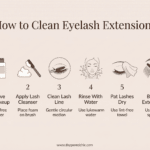
Clean your lashes daily — but do it gently.
This is where most people go wrong.
They either avoid cleaning completely (thinking it protects retention) or they clean too aggressively and damage the bond.
The balance is simple:
- Clean your lashes regularly: (once daily, or more if you wear makeup or have oily skin)
- Use a gentle, oil-free cleanser that won’t weaken the adhesive
- Focus on the lash line: that’s where buildup forms
- Always use soft, controlled motions: never rub
Why this matters: Skipping cleansing doesn’t protect your extensions.
It allows oil and residue to sit at the base — and that slowly weakens how well your lashes stay in place.
If you’re unsure how often is actually “enough” (and don’t want to overdo it), this will clear it up:
- 📌 How often should you wash eyelash extensions
🧪 Engr. Nusrat (Engineer & Beauty Enthusiast):
When residue builds up at the lash line, it creates both chemical and physical stress. Oils soften the bond over time, and buildup causes lashes to stick together, increasing friction. Clean lashes move more naturally and stay aligned longer.
If you want to clean them properly without loosening the bond, this step-by-step guide makes it easy:
What to Avoid If You Want Extensions to Stay Looking Good
❌ Rubbing, pulling, and picking
Avoid any pressure or tension on your lashes.
Every time we rub or pull at extensions, we’re not just affecting the extensions — we’re pulling on the natural lash attached to them.
Even small habits matter:
- Rubbing when your eyes feel itchy
- Pulling at one lash that looks out of place
- Picking at the buildup instead of cleaning it properly
Over time, this leads to uneven fallout, faster shedding, and lashes looking messy much earlier.
❌ Oily or heavy products near the lash line
Avoid products that leave oily residue near your lashes.
This is one of the biggest hidden reasons lashes don’t last.
Common culprits:
- Rich eye creams
- Oil-based removers
- Heavy balms
- Thick skincare applied too close to the eye area
What to keep in mind: Products don’t stay where we apply them.
They slowly move toward the lash line due to skin warmth and natural movement.
Once that residue reaches the base:
- It weakens the adhesive
- Makes lashes lose alignment
- Makes buildup harder to clean properly
❌ Heat, steam, sweat, and friction
These don’t ruin lashes instantly — but they reduce how long your set stays clean and stable.
Think of these as slow damage factors:
- Frequent steam exposure (hot showers, saunas)
- Sweating without cleansing afterward
- Constant face touching
- Friction from pillows or hands
Individually, they may not cause immediate problems.
But combined with oil or poor cleansing, they speed up how quickly lashes lose their clean, fresh look.
If you’re dealing with daily showers and wondering what’s actually safe (especially with steam and water pressure), this will help you avoid damaging the bond:
- 📌 How to shower with eyelash extensions
Can You Wear Makeup with Eyelash Extensions?
Yes, but makeup increases maintenance, not damage by itself.
The real issue is removal.
What to keep in mind:
- Lash-line-heavy products create more buildup
- Hard-to-remove formulas increase rubbing and friction
- More effort during removal means more stress on your lashes
So it’s not about avoiding makeup completely —
It’s about keeping removal gentle and buildup under control.
If you’re thinking about adding mascara on top of extensions, this explains what actually happens and what to watch out for:
- 📌 Can you wear mascara with eyelash extensions
Eyeliner can be tricky with extensions — especially near the lash line — here’s how to do it without causing buildup:
- 📌 Can you wear eyeliner with eyelash extensions
If you’re worried about fallout or residue from eyeshadow affecting your lashes, this will make it clearer:
- 📌 Can you wear eyeshadow with eyelash extensions
How to Make Your Lash Extensions Last Longer Without Obsessing
Consistency matters more than complexity.
You don’t need a complicated routine — you just need to not skip the basics.
Focus on this:
- Clean your lashes regularly (prevents buildup from weakening the bond)
- Avoid touching them unnecessarily (reduces mechanical stress)
- Manage friction (especially from sleep and daily habits)
- Be careful with water and steam only in the first 24–48 hours
- Stick to your refill timing
- Start care early, not after lashes already look rough
Simple way to think about it: Good retention isn’t about doing more.
It’s about keeping these basics consistent so lashes stay clean, aligned, and balanced over time.
If you want a clearer idea of what “good retention” actually looks like (and what’s normal vs not), this will help you set the right expectations:
Signs Your Lash Aftercare Routine Needs Work
If your lashes keep looking messy, something in your routine is off.
It’s not always obvious — but patterns tell the story.
Look for signs like:
- Lashes looking dirty or clumped often
- Fallout is happening faster than expected
- One side sheds more than the other
- Twisting, tangling, or buildup returning quickly
- Comfort is getting worse instead of better
These are rarely random problems.
What this means: When lashes don’t feel or look right consistently, it’s usually linked to daily habits — not just the initial application.
When It’s Not Just Aftercare Anymore
Pain, swelling, or worsening irritation is not an aftercare issue — it’s a medical signal.
Most aftercare problems are minor — faster fallout, buildup, or messy lashes.
But some signs go beyond normal lash wear.
Pay attention if you notice:
- Increasing redness
- Swelling around the lash line or eyelid
- Pain (not just mild discomfort)
- Discharge or unusual residue
- Irritation that keeps getting worse
- Anything that feels “off,” not just inconvenient
What this means: Once symptoms move beyond mild irritation, routine care is no longer enough.
If you’re not sure whether what you’re feeling is normal irritation or something more serious, this breaks down the real causes:
- 📌 Why do eyelash extensions hurt
🌐 Source: American Academy of Ophthalmology — highlights risks like irritation, infection, and allergic reactions from eyelash extensions, and when professional care is needed
🧪 Dr. Sazia (Medical Doctor & Beauty Enthusiast):
If symptoms go beyond mild irritation and start affecting comfort or vision, it should not be handled as a routine lash issue. Early evaluation helps prevent complications from getting worse.
If symptoms are getting worse or not improving, this will help you understand when it’s time to stop managing it at home and get professional help:
- 📌 When to see a doctor for eyelash pain
Refill Timing and Ongoing Maintenance
Aftercare keeps your lashes stable — refills bring them back to full.
Here’s what to understand clearly:
- Natural lashes shed constantly, extensions go with them
- Refills keep the set even and balanced
- Waiting too long leads to a patchy appearance
The key takeaway: Even with consistent care, your lashes won’t stay full forever.
Aftercare supports your lashes — refills maintain how they look over time.
If you’re unsure how often you should actually go in for refills (and don’t want your lashes getting patchy), this will help you time it right:
- 📌 How often should you get eyelash extension fills
This isn’t about being strict.
It’s about staying consistent enough that your lashes don’t reach the uneven stage.
Common Beginner Mistakes with Eyelash Extensions
Small habits repeated daily cause most problems.
It’s rarely one big mistake — it’s patterns.
The most common ones:
- Touching lashes too much
- Skipping proper cleaning
- Thinking “don’t get them wet” means never cleaning them
- Sleeping with friction-heavy habits
- Using heavy products too close to the lash line
- Waiting too long to act when something feels wrong
What this means: Fixing these habits often improves how lashes look and feel faster than expected.
Frequently Asked Questions
❓ Can I shower with eyelash extensions?
Yes — after the first 24–48 hours. Keep water pressure gentle and avoid direct force on the lash line.
❓ Can I cry with eyelash extensions?
Yes — normal tears won’t ruin them. Just avoid rubbing; gently pat instead.
❓ Can I wear mascara with eyelash extensions?
Yes — but it increases buildup. The key is gentle removal and keeping the lash line clean.
❓ Why do my eyelash extensions fall out so fast?
It’s usually a mix of factors, not just one:
• Natural lash shedding
• Daily habits like touching or rubbing
• Oil and buildup are weakening retention
• Early water or steam exposure
• Sometimes application quality
Reality check: Faster fallout usually comes from repeated habits — not a single mistake.
📌 If your lashes keep falling out faster than expected and you’re not sure why, this breaks down the most common problems and how to fix them: Eyelash extension problems
❓ Can I sleep normally with eyelash extensions?
Yes — but friction matters.
Sleeping face-down or pressing lashes into the pillow leads to uneven shedding over time.
Final Takeaway
Keep it simple — everything comes back to this:
- Be gentle
- Keep lashes clean
- Avoid oil buildup and rubbing
- Protect lashes from friction and early water exposure
- Recognize when it’s no longer a routine issue
That’s it.
No complicated routine — just consistent habits that keep your lashes looking better, feeling comfortable, and lasting as they should.
Before You Move On…
If you’re already wearing extensions, what you do next matters more than what you add.
If something feels off or uncomfortable and you’re not sure whether to wait or act, this will help you decide safely:
- 📌 When to see a doctor for eyelash pain