
⚡ TL;DR: Best Liquid Blush
The easiest liquid blush to wear naturally is one whose pigment, finish, and working time match how you apply makeup. Start with a tiny amount, tap instead of dragging, and build only once the edges look soft.
Top Picks
- 🏆 Best Overall — Rare Beauty Soft Pinch — versatile pigment you can build carefully
- 🥈 1st Runner-up — Glossier Cloud Paint — sheer, approachable wash of color
- 🥉 2nd Runner-up — e.l.f. Camo Liquid Blush — affordable bold color
A soft flush should look easy. Yet too much color in one spot can turn it blotchy fast. That is where liquid blush gets tricky. A small amount can blend beautifully, but how we apply it matters as much as shade. We also cover nearby textures: gel-creams, cheek stains, and one solid jelly tint. Cream blush has its own guide.
✨ Inside This Blush Guide
🌸 Psst…
Some links in this post are affiliate links. If you shop through them, we may earn a small commission at no extra cost to you — like a little coffee while we keep testing beauty favorites. ☕💄
Quick Comparison: Best Liquid Blush
Here is the quick way to compare pigment and texture. Check the last column before applying each formula.
| Product | Best For | Finish / Type | Application Caution |
|---|---|---|---|
| Rare Beauty Soft Pinch | Concentrated versatile color | Pigmented liquid | Use less than a full dot |
| Glossier Cloud Paint | Sheer daily flush | Gel-cream | Build rather than squeezing out extra |
| e.l.f. Camo Liquid Blush | Affordable statement color | Pigmented dewy liquid | Start with a tiny applicator load |
| Saie Dew Blush | Soft diffused wash | Liquid | Blend outward before adding shine or color |
| NARS Afterglow | Subtle radiance | Fluid liquid | Layer thinly |
| Juvia's Place Blushed Liquid | Warm peach impact | Pigmented liquid | Avoid heavy first placement |
| Anastasia Blurring Serum Blush | Soft-matte texture | Serum-style liquid | Work in small areas |
| Benefit Benetint | Translucent rosy tint | Liquid cheek stain | Diffuse before it sets |
| Milk Cooling Water Jelly Tint | Solid jelly tint | Gel stick | Tap rather than swipe over base |
Choose Liquid Blush by Pigment, Finish, and Blend Time
Start with pigment. A strong liquid can look barely there when we use just a touch. Apply too much, though, and it may leave a sharp spot. A sheer gel-cream takes things slowly. We can build the color instead of fixing a heavy first swipe.
Next, think about finish. Dewy color can look lovely beside a fresh base. Soft-matte blush or a stain may suit a look with less shine. But finish is not the whole story. The amount we use and how fast it sets shape the edges too.
And check the texture itself. A classic liquid blush may come on a doe-foot wand. A thin rose stain can set quickly. Milk’s jelly tint? It comes as a solid stick, not a liquid. Each format calls for a slightly different way to apply it.
If you are still choosing between powder, cream, and liquids, the format decision may not be settled yet. The parent blush guide compares those different routes before you commit to a texture.
Shade is a separate question from finish: a muted mauve and a warm peach can create different impressions. The dedicated shade guide helps match that color decision to your complexion.
The nine formulas below make those choices concrete, from subtle color to concentrated pigment.
Best Liquid Blush Formulas for Different Needs
We have classic liquids here, plus a sheer gel-cream, a rose stain, and a solid jelly tint. The comparisons come from documented formulas and shades, not a hands-on wear test.
Rare Beauty Soft Pinch Liquid Blush
Best Versatile Pigmented Formula
A saturated liquid that gives a soft nude-mauve cheek color when handled in tiny amounts.
A little Soft Pinch goes a long way, which makes it appealing when you want control over how noticeable your blush becomes. The Hope shade offers a gentle nude-mauve direction rather than a loud pop of red.
The trick is to treat its concentrated color as something to dilute with placement and blending, not something to spread in a full stripe. Start with a fraction of the applicator load and use whatever remains to even out the second cheek.
Bottom line: Choose it for flexible intensity, but keep that first dose tiny to avoid a bold patch.

- ✅ Concentrated pigment supports a subtle or stronger result depending on dose
- ✅ Liquid applicator makes targeted placement straightforward
- ✅ Hope provides a soft nude-mauve color family
- ❌ A generous first dot can overwhelm a restrained daytime look
- ❌ Needs quick, thoughtful blending for a sheer result
🧪 Lash Lab Notes — Mahmuda (Homemaker & Beauty Enthusiast)
A small dab is the most useful starting point for a strongly colored liquid formula. Checking the cheek edge in daylight is a practical way to spot the point where color stops looking diffused.
- 💡 Editor’s Note: We would reach for this when the priority is choice rather than maximum speed. Being able to adjust the amount matters more than applying a large swipe perfectly on the first pass.
For a closer look at how buyers describe the pigment level, browse Rare Beauty Soft Pinch.
Good for someone comfortable building bold pigment from a tiny starting amount.
A more forgiving sheer approach comes next.
Glossier Cloud Paint
Best Sheer Beginner-Friendly Gel-Cream
A soft gel-cream cheek color designed to begin sheer and build gradually.
Want the kind of flush that is hard to overdo? Cloud Paint is the friendlier route into cheek color, especially when the goal is a quiet wash instead of a statement.
The Dusk shade sits in a muted color family, and the tube lets you portion out a very small amount. Because this is a gel-cream rather than a thin wand liquid, it belongs here as a neighboring texture with a similar blended effect.
Bottom line: An approachable sheer choice, provided you prefer a tube-style gel-cream to a wand liquid.

- ✅ Sheer color can be layered without starting at full strength
- ✅ Tube format encourages small doses
- ✅ Dusk offers a muted cheek-color direction
- ❌ Not the immediate high-impact choice for people who want strong pigment
- ❌ The gel-cream texture is not a classic liquid-wand format
🧪 Lash Lab Notes — Zayba (A-Level Student & Beauty Enthusiast)
A tiny amount on a fingertip gives this type of sheer formula room to spread without creating a sharp border. Adding another veil is simpler than trying to remove an oversized application.
- 💡 Editor’s Note: We like this kind of formula for mornings when makeup should be simple, not a balancing act. Anyone specifically shopping for a pourable liquid should note the difference in texture before choosing it.
If you want to check how shoppers describe its sheer color, read feedback on Glossier Cloud Paint.
Consider it for everyday, muted blush when application confidence matters most.
For stronger color at a budget-oriented tier, the next pick changes the balance.
e.l.f. Camo Liquid Blush
Best Value for Vibrant Color
A vivid dewy liquid option for a noticeable cheek effect without a prestige price tier.
A brighter flush without a prestige price is the appeal of Camo Liquid Blush. Its Dusty Rosé color can make a stronger statement than a sheer beginner tint when applied without restraint.
The liquid applicator makes placement easy, while the pigmented formula rewards a light hand. Think one small dot divided between cheeks, then increase only after you can see how the initial color has blended.
Bottom line: A budget-friendly route to vivid color, with more dose-control required than sheer tints.

- ✅ Budget-friendly positioning within the roundup
- ✅ Pigmented liquid formula suits visible color looks
- ✅ Dusty Rosé gives a warm-pink direction
- ❌ Too much product at once can make blending feel harder
- ❌ May exceed the color intensity wanted for barely-there makeup
🧪 Lash Lab Notes — Fauzia (University Student & Beauty Enthusiast)
For an intense formula, working from the back of the hand can reduce the amount placed directly on the face. Tapping the color outward can help soften an obvious deposit line.
- 💡 Editor’s Note: We would not treat affordability as permission to sacrifice precision. The strongest reason to choose this is access to high-impact color, especially when you already know you like a more visible cheek.
For another perspective on the color payoff, look through buyer comments for e.l.f. Camo Liquid Blush.
A practical fit for colorful makeup looks on an accessible budget.
The following formula moves toward a softer, dewy impression.
Saie Dew Liquid Blush
Best Dewy Finish
A liquid blush option oriented toward a softly diffused finish.
Saie Dew Blush is for a cheek that looks fresh rather than sharply painted. The Sweetie shade gives you a defined color option within the brand’s liquid-blush range.
Its main attraction here is the possibility of a soft wash when the product is applied in thin layers. Pressing and feathering at the edge matters more than chasing shine by adding extra formula.
Bottom line: A soft-finish liquid worth considering if you prefer diffused color over dramatic concentration.

- ✅ Liquid format suits a thin, layered cheek application
- ✅ Sweetie is an identified shade rather than an unspecified color
- ✅ A diffused effect suits daytime makeup
- ❌ A dewy-sounding name should not substitute for checking your own preferred finish
- ❌ A rushed heavy application can still leave distinct edges
🧪 Lash Lab Notes — Mahmuda (Homemaker & Beauty Enthusiast)
Loading the brush lightly makes the blend area easier to control. A second pass should be reserved for the center of the cheek rather than the entire already-blended perimeter.
- 💡 Editor’s Note: We would choose this direction when a softly colored cheek is the main goal. It is still worth checking the specific Sweetie shade and current finish details, because formula names alone cannot predict a result on every base.
To see the specific Sweetie listing and recent buyer reactions, explore Saie Dew Blush.
Try it when your preference leans toward a diffused wash of liquid cheek color.
A gentle luminous alternative follows, with its own style of layering.
NARS Afterglow Liquid Blush
Best Subtle Luminous Layering
A fluid formula positioned for softly luminous color that can be built in layers.
Afterglow is an inviting option when you want blush to look integrated with the rest of a luminous base. Behave is a defined shade, making this a more specific comparison than selecting a formula without its color.
A thin initial layer keeps the look subtle while leaving the option to add depth. Rather than painting along the cheek, place a little color and press it outward until the border is soft.
Bottom line: A radiant-leaning option for restrained layering, especially if you dislike a hard blush edge.

- ✅ Liquid texture supports targeted placement
- ✅ Behave gives a clearly specified shade identity
- ✅ Designed around an afterglow-style cheek finish
- ❌ Not the natural first choice for a deliberately flat-matte look
- ❌ Layering needs a pause to judge intensity before adding more
🧪 Lash Lab Notes — Dr. Rabeya (Dentist & Beauty Enthusiast)
A rounded brush edge can help diffuse a small patch of luminous blush. Pressing at the outer rim of the color keeps the center from spreading too far.
- 💡 Editor’s Note: We see this as a shade-and-finish decision rather than a race for the most pigmentation. If your base already has plenty of glow, less cheek product may create a more harmonious result.
Want details from other shoppers about the Behave shade? See impressions of NARS Afterglow.
Best considered for a softer radiant cheek instead of a deliberately matte one.
For a more expressive peachy flush, the next entry brings stronger color.
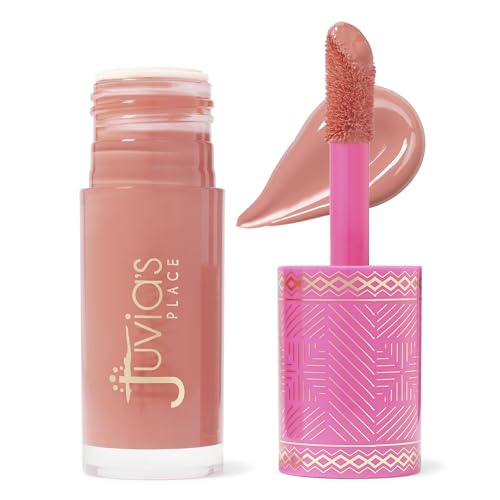
Juvia’s Place Blushed Liquid Blush
Best Color-Impact Option
A more emphatic liquid-blush choice in the warm Soft Tulip shade.
For a noticeably colored cheek, this formula gives Soft Tulip a leading role. Soft Tulip offers a warm peachy color direction, rather than a muted neutral veil.
The formula is best approached through pigment control: start small, blend the center, then judge the result before adding to the other cheek. This is the route for expressive color without insisting every application be equally bold.
Bottom line: A strong color choice for peach-toned looks, but restrained dosing is still essential.
- ✅ Noticeable liquid color supports an expressive cheek
- ✅ Soft Tulip is a specific warm shade
- ✅ Buildable application lets you choose a lighter starting point
- ❌ Color impact may be too much for people who want invisible-looking blush
- ❌ A heavy dab can require extra time to diffuse
🧪 Lash Lab Notes — Fauzia (University Student & Beauty Enthusiast)
A warm peach tint can look more pronounced on the face than on the back of the hand. Starting with a thin layer helps keep the color from dominating the rest of the makeup.
- 💡 Editor’s Note: We like the idea of choosing bolder color deliberately instead of trying to tame an oversized application. The reward here is personality, so it makes sense to keep everything else on the cheek simple.
For feedback on the Soft Tulip shade, take a look at shopper reviews of Juvia’s Place Blushed Liquid.
A good match for anyone who wants blush to be part of the look.
The following serum-style blush shifts the attention from vibrancy to texture.
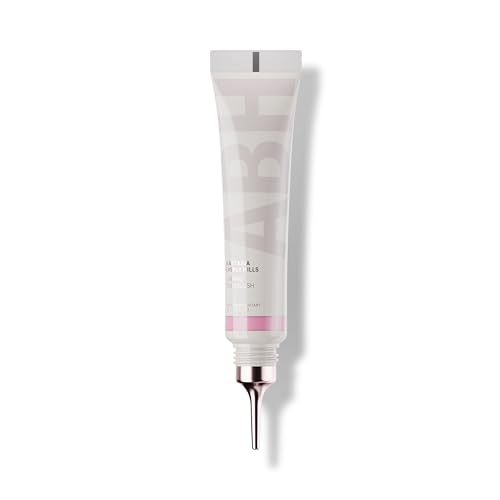
Anastasia Beverly Hills Blurring Serum Blush
Best Soft-Matte Serum Feel
A serum-style blush created for a soft-matte, blurred color effect.
If dewy liquids feel too shiny for your preferred makeup, Blurring Serum Blush offers another direction. Its Baby Pink shade pairs a recognizable color with a formula described as soft matte.
This is still a liquid-style cheek product, so placement and amount matter. The appeal is a gentler surface finish rather than the same luminous effect you might expect from a glow-focused blush.
Bottom line: Consider it for a softer-matte cheek effect, not for pronounced wet-looking radiance.
- ✅ Soft-matte direction offers an alternative to dewy liquid finishes
- ✅ Serum-style format suits small, controlled applications
- ✅ Baby Pink is a specified shade
- ❌ Less suited to someone shopping for maximum sheen
- ❌ Blurring claims do not guarantee texture will disappear on every base
🧪 Lash Lab Notes — Engr. Nusrat (Engineer & Beauty Enthusiast)
For this soft-matte formula, it is especially useful to keep the base thin and blend one cheek at a time. Let the product settle before deciding if more color is necessary.
- 💡 Editor’s Note: We would make this the finish-first pick for someone who likes fluid blush but not an overt glow. It also shows why blush texture is a separate question from how rosy the shade looks in a product photo.
To compare experiences with its serum-style application, check buyer feedback on Anastasia Blurring Serum Blush.
Useful for a subtle matte-leaning finish with a liquid-style application.
Next comes a stain, which behaves differently from conventional liquid blush.
Benefit Benetint Rose-Tinted Cheek Stain
Best Sheer Rosy Stain
A classic rose-colored cheek stain for a more translucent tint.
Benetint makes sense when you prefer a rosy tint to a creamy layer of visible blush. The product is a lip-and-cheek stain, and that distinction matters more than treating it as another ordinary liquid formula.
Its lightweight tint can suit a naturally flushed look, but staining color may need faster, more deliberate blending. Work on a small section and avoid drawing long marks that are difficult to diffuse before they set.
Bottom line: A sheer rose-stain route for an understated flush, with less time to adjust placement.

- ✅ Rose-colored stain gives a translucent cheek option
- ✅ Lip-and-cheek format differs usefully from standard wand blush
- ✅ Small amounts work for a barely-there makeup direction
- ❌ A stain may be harder to reposition after it sets
- ❌ Not a creamy blush choice for people seeking a cushioning texture
🧪 Lash Lab Notes — Dr. Rabeya (Dentist & Beauty Enthusiast)
With stain-like cheek color, placement first and rapid diffusion second are the key steps. Working one cheek at a time can reduce the chance of a visible streak.
- 💡 Editor’s Note: We would pick this when the goal is the appearance of a tint rather than a layer of makeup. The trade-off is forgiveness: a stain can require a steadier hand than a sheer gel-cream.
For buyer opinions on the classic rosy stain effect, review comments for Benefit Benetint.
Consider this for an understated rose tint if you can blend promptly.
The last pick offers another tint-like result in a distinctly solid form.
Milk Makeup Cooling Water Jelly Tint
Best Cooling Jelly Tint
A solid cooling jelly tint offering a stain-like cheek color rather than a pourable liquid.
Cooling Water Jelly Tint stands apart because the applicator is a solid gel stick. The Burst poppy-pink color gives you a bright tint-style option, but it should never be mistaken for a classic liquid in a bottle.
That delivery style changes how much pressure and motion you should use over base makeup. Dabbing lightly onto a fingertip or tool before placing it on the cheek can be easier to control than dragging the stick across foundation.
Bottom line: A gel-stick alternative for tint lovers, provided the solid application format suits your routine.

- ✅ Solid jelly-stick format provides a different tint application route
- ✅ Burst is a specifically identified poppy-pink color
- ✅ Light layering allows a restrained starting amount
- ❌ Not appropriate if you specifically want a classic fluid liquid blush
- ❌ Direct swiping may shift base makeup more than gentle tapping

🧪 Lash Lab Notes — Engr. Nusrat (Engineer & Beauty Enthusiast)
The stick format is the important mechanical difference here. Taking a little product from the stick with a fingertip or brush may help avoid friction across a finished base.
- 💡 Editor’s Note: We see this as an alternative texture, not an interchangeable replacement for a liquid wand. It belongs in the conversation for people who like tint effects but want to explore a solid delivery method.
To learn how shoppers handle this unusual gel-stick texture, read reactions to Milk Cooling Water Jelly Tint.
Choose it for a cheek tint in a solid jelly-stick format.
A few placement habits can make every one of these formats easier to manage.
How to Apply Liquid and Gel-Tint Blush Without Patches
A smoother cheek starts with a calmer routine. Let the base settle. Use a little blush, press it on, then stop before the color gets too strong. With solid gel sticks, a finger or brush can help avoid dragging.
Step 1 — Set Up a Smooth Base
Let moisturizer, sunscreen, or foundation settle first. Applying blush over a very wet base may make the placement messy. Already using powder? Keep it light where blush will go. Too much brushing over that area can create friction.
Step 2 — Pick Up Less Pigment
Put a small dot onto the back of a clean hand, finger, or brush rather than depositing the whole applicator load onto one cheek. For strongly pigmented options, start with less product and add more only if the first pass looks faint. With a jelly stick, tap some tint onto a tool instead of drawing a long line.
Step 3 — Tap and Blur the Edges
Press onto the area where you want the highest concentration, then use clean fingertips or a lightly loaded brush to feather the outer border. Tap rather than drag over foundation so you do not repeatedly disturb the same patch. Work one cheek at a time if the product behaves like a fast-setting stain.
Step 4 — Build the Color Slowly
Take a quick look in daylight before adding more. If we need another layer, keep it near the cheek center. Let the outer edge stay soft. More color around the border can make the patch bigger instead of smoother.
Cheek placement can change the look of a smoothly blended blush. The face-shape guide explains where to position your color for the effect you want.
Why Liquid Blush Turns Patchy—and What to Try Next
The problem often begins with too much color in one spot. What helps? Do not add another dot yet. First, use a clean brush edge or fingertip to soften the border. Rubbing over foundation again and again may only make matters worse.
A quick-setting stain calls for a smaller working area than a gradual gel-cream. If the tint sets before you can spread it, apply onto the brush first and work one cheek at a time. When a complexion base seems to lift, press gently instead of sweeping and check whether heavy powder underneath is making the layers difficult to blend.
Another answer may be changing textures rather than forcing the same formula to behave differently. A cream can offer a different feel and working method if very fluid blush keeps frustrating you.
If you favor a traditional brush over an already-set complexion base, powder is another valid texture. The dedicated powder guide explains how that approach differs from liquid application.
Online makeup users have also suggested loading a brush from the back of a hand to reduce blotchy placement; that is a practical suggestion, not controlled comparative testing. If the product causes discomfort or a reaction, stop using it and check its ingredient information.
Liquid Blush FAQs Before You Buy
These are the small questions that can change a purchase decision. The best texture depends on our base, how bold we like color, and how we apply it.
❓ Is liquid blush better than cream blush?
Neither is universally better. Traditional liquids can deliver precise drops and varied finishes, while creams and gel-creams may feel different during blending; choose the texture you control most easily.
❓ Can you put liquid blush over setting powder?
You can, but a heavily powdered cheek may make some liquids harder to diffuse. Try a smaller dose, press gently, and test whether applying blush before powder gives you a smoother look.
❓ Is a jelly tint the same as liquid blush?
No. A solid jelly stick such as the Milk Makeup option deposits tint differently from a pourable liquid or a wand formula, so tapping onto a brush can be the gentler approach over foundation.
❓ How much liquid blush should a beginner use?
Begin with a small fraction of a typical applicator dot, particularly with concentrated formulas. It is easier to build a thin veil than remove a prominent spot after it has set.
❓ Do cheek stains always last longer than liquid blush?
Not necessarily. Formulas, skin preparation, and individual wear conditions vary; a product being called a stain is not independent proof that it outlasts every liquid.
❓ How do you fix patchy liquid blush?
First, stop adding pigment and gently diffuse the border with a clean tool. If the formula sets quickly or disturbs foundation, load less product, work on one cheek at a time, and consider a different texture.
Final Thoughts: The Smooth-Flush Choice Is the One You Can Blend
A natural flush is about control, not the boldest shade in the tube. We can start sheer when we want more room to blend. For brighter color, a pigmented liquid works best when we build it with care.
And that brings us back to the goal: softly placed color, with no stubborn patch to keep fixing.
Last update on 2026-10-30 / Affiliate links / Images from Amazon Product Advertising API