⚡ TL;DR: tinted moisturizer for combination skin
Look for a tint that leaves your cheeks comfortable while limiting shine on the forehead, nose, and chin. A natural or soft-matte finish often makes a reasonable starting point, but the better choice depends on which zone shows trouble first.
Top Picks
- 🏆 Best Overall — Laura Mercier Blurred Matte — light blurred finish
- 🥈 1st Runner-up — bareMinerals Complexion Rescue Matte — shiny-zone focus
- 🥉 2nd Runner-up — Clinique Moisture Surge Sheertint — easy natural look
A shiny nose. Flaky cheeks. Picking a base can feel like a tug-of-war. Finding the right tinted moisturizer for combination skin means considering both problems at once, rather than shopping from a label that says only “matte” or “hydrating.” These five picks serve different balances, so you can start with the one that matches what your face actually does during the day.
✨ Inside This Tinted Moisturizer Guide
🌸 Psst… A Little Beauty Note!
Some links in this post are affiliate links. If you spot something you love and shop through our links, we may earn a small commission—at no extra cost to you. Our picks are based on thoughtful research and, where mentioned, hands-on experience. Thanks for supporting Dappered Chic! 💕 Read our Affiliate Disclosure
Quick Comparison: Tinted Moisturizer for Combination Skin
Here’s how the five formulas stack up at a glance. The finish and coverage descriptions come from product information; they are not results from a controlled side-by-side wear test.
| Product | Best For | Finish | Coverage | Main Trade-Off |
|---|---|---|---|---|
| Laura Mercier Blurred Matte | Balanced shine control | Blurred matte | Sheer-to-light | Can draw attention to dry flakes |
| bareMinerals Complexion Rescue Matte | Oily T-zone | Matte | Sheer-to-light | May flatter oily zones more than dry cheeks |
| Clinique Moisture Surge Sheertint | Natural everyday look | Natural | Sheer | No proven long-wear oil control |
| wet n wild Bare Focus | Budget routine | Semi-matte | Sheer-to-medium | Wear in humidity is uncertain |
| bareMinerals Complexion Rescue Original | Drier cheek comfort | Dewy | Sheer-to-light | Can look shinier on the nose |
Which Finish Fits Dry Cheeks and an Oily T-Zone?
Combination skin usually means an oilier forehead, nose, or chin alongside drier areas such as the cheeks. The trick is to avoid making one zone look better at the expense of the other. Test both facial zones before you decide a formula works.
A matte tint can reduce the appearance of shine, but it may highlight visible flakes on the perimeter. A dewy tint may make those cheeks look more comfortable while leaving the T-zone glossy; a natural finish sits between them but does not guarantee the best wear for every person.
If dry patches regularly control the whole look, a dedicated dry-skin guide may be a better next step. It compares options built around comfort rather than asking a single formula to do two conflicting jobs.
Are your dry cheeks making the decision for you? Our related guide compares moisturizing tinted bases more directly for that situation.
If the oil on your forehead is much more noticeable than cheek dryness, prioritize that problem instead. An oily-skin comparison goes deeper into finishes built for shine-prone wear.
Shine sometimes outweighs the dry-cheek problem entirely. These oily-skin recommendations look more closely at what matters when sebum is the main concern.
Best Tinted Moisturizers for Combination Skin
These picks cover five distinct ways to approach the same two-zone challenge. Each shade and size mentioned is the specific verified listing variant, not a recommendation that one shade suits everyone.
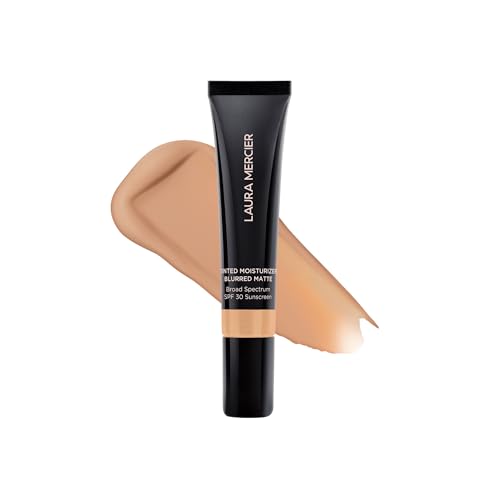
Laura Mercier Tinted Moisturizer Blurred Matte SPF 30
Best Overall
An oil-free blurred-matte face tint that still aims to keep skin comfortable.
A shiny nose can spoil a good base before lunch. This cream aims to soften shine without leaving the rest of the face looking flat or dry.
Laura Mercier describes the Blurred Matte formula as oil-free and fragrance-free, with SPF 30 and a matte finish. Those are useful starting signals, but the brand’s long-wear shine-control language is a claim rather than evidence that every combination-skin face will stay matte for a full day.
Bottom line: Choose this when T-zone shine matters, but you still want a light-feeling base. Avoid this direction if dry patches are already very visible.
- ✅ Oil-free formula with an officially matte finish
- ✅ Sheer-to-light style suits uneven tone without a full foundation look
- ✅ Fragrance-free positioning may simplify a sensitive-feeling routine
- ❌ May not flatter noticeably flaky cheeks without a gentle application
- ❌ The included 3N Sand mini shade will not suit every undertone
🧪 Lash Lab Notes — Engr. Nusrat (Engineer & Beauty Enthusiast)
The small tube is a reminder to start with a modest amount around the nose. That makes it easier to avoid the heavy buildup that can exaggerate pores on some faces.
- 💡 Editor’s Note: We like the logic of a blurred finish when the nose shines sooner than the cheeks feel dry. Its real selling point is balance, not the longest wear claim. Judge both zones in daylight before committing to a full-size purchase.
Wondering how buyers describe its balance of matte finish and comfort? Browse the latest Laura Mercier Blurred Matte reviews.
Choose this when T-zone shine matters, but you still want a light-feeling base.
The Blurred Matte formula is only one Laura Mercier route to a tinted base. A dedicated review goes further into the brand-line options and their distinct finishes.
Next comes a stronger matte choice for the oilier end of combination skin.
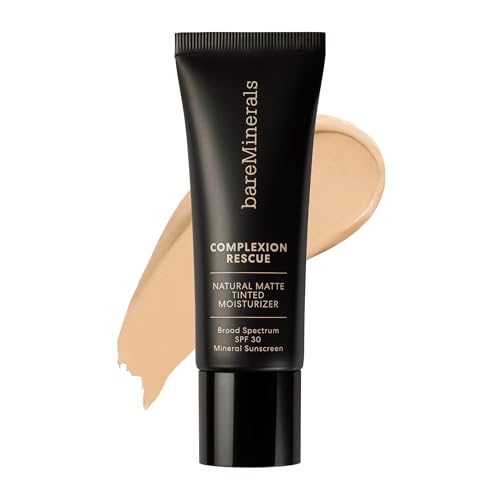
bareMinerals Complexion Rescue Matte Tinted Moisturizer SPF 30
Best for Oily T-Zones
A matte mineral-SPF option for the days when the forehead becomes shiny first.
If your T-zone is your main problem, a softer matte finish may be a better starting point than chasing glow. This Matte version aims for less shine. The original gel-cream has a dewier look.
bareMinerals markets the matte version as oil-free with mineral SPF 30 and pore-blurring coverage. The distinction matters most if your cheeks are only mildly dry, since a stronger matte approach may make visible flakes more obvious.
Bottom line: Try this if your nose gets oily sooner than your cheeks feel dry. Avoid this direction if dry patches are already very visible.
- ✅ Matte oil-free finish directly addresses T-zone shine
- ✅ Mineral SPF 30 is included in the formula
- ✅ A different finish from the original Complexion Rescue gel-cream
- ❌ A matte look can emphasize drier patches on the perimeter
- ❌ The AB Vanilla 02 shade is a specific option, not universal
🧪 Lash Lab Notes — Dr. Rabeya (Dentist & Beauty Enthusiast)
A matte label tells you where to begin, not whether the dry cheek will cooperate. Try a thin application on the perimeter before judging the finish under full indoor lighting.
- 💡 Editor’s Note: We would choose this version before the original when forehead sheen is the main frustration. It is a targeted finish decision, not a verdict that matte is best for all combination skin. Visible flakes are the catch worth watching.
For a closer look at how shoppers respond to this matte formula, open the bareMinerals Complexion Rescue Matte reviews.
Try this if your nose gets oily sooner than your cheeks feel dry.
A more natural-looking finish is next if matte feels too strict.
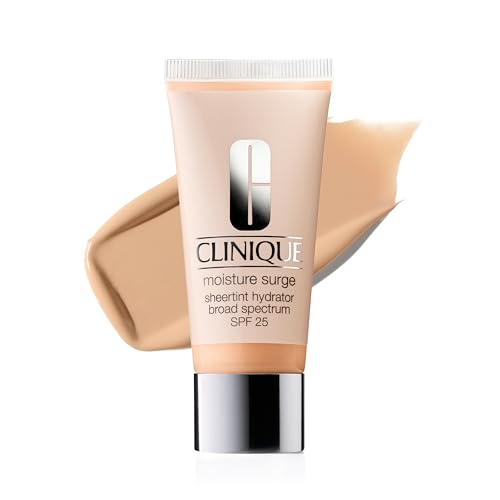
Clinique Moisture Surge Sheertint Hydrator SPF 25
Best Natural Everyday Finish
A lightweight, barely-there tint for a natural morning routine.
Sometimes we want more even-looking skin. Not a super-matte finish. Clinique’s sheer lotion format suits that low-key mood, particularly when you dislike a heavy base on both the forehead and the cheeks.
The Moisture Surge Sheertint line is described as oil-free and fragrance-free, with SPF 25 and a natural finish. That combination sounds promising for everyday simplicity, although its label does not establish hours of oil control.
Bottom line: Pick this when you want simple sheer coverage with a natural look. Keep the T-zone application light and let your actual wear decide.
- ✅ Natural, sheer-looking coverage for everyday wear
- ✅ Oil-free and fragrance-free formula information
- ✅ Lotion texture may suit people avoiding a dense base
- ❌ SPF 25 should not be treated as a complete sun-protection plan
- ❌ Not the strongest choice when your main demand is proven all-day shine resistance

🧪 Lash Lab Notes — Mahmuda (Homemaker & Beauty Enthusiast)
Fragrance-free is a helpful shopping distinction when you prefer fewer scent variables. It is still worth checking the complete ingredient list for personal sensitivities.
- 💡 Editor’s Note: We see this as the calm middle choice for a modest makeup day. The light look may suit both zones when neither is very extreme. If shine control is your top priority, the matte options deserve a closer look.
Want to see how wearers describe its natural finish? Read the Clinique Moisture Surge Sheertint reviews.
Pick this when you want simple sheer coverage with a natural look.
If ingredient tolerance matters more to you than the exact finish, a sensitivity-focused guide can help narrow the routine. It addresses a different decision from balancing dry cheeks with a shiny forehead.
The budget alternative offers another way to keep the routine simple.
wet n wild Bare Focus Tinted Hydrator
Best Budget Option
A semi-matte drugstore tint with more coverage flexibility than its price suggests.
A balanced makeup routine may not need a premium tube. This affordable tint provides a practical way to try a sheer-to-medium, semi-matte look before deciding whether you want more coverage or more oil control.
The brand lists a cream texture and buildable finish, while the product record confirms the Light Medium shade in a 0.91 oz size. A semi-matte appearance is a middle ground, not a promise that a hot, humid afternoon will leave your T-zone unchanged.
Bottom line: Start here if you want an affordable, buildable everyday tint. Keep the T-zone application light and let your actual wear decide.

- ✅ Drugstore product positioned for everyday use
- ✅ Sheer-to-medium buildable coverage
- ✅ Semi-matte finish between overtly dewy and strongly matte
- ❌ No independently proven all-day T-zone control
- ❌ The Light Medium shade may not be right for your complexion
🧪 Lash Lab Notes — Zayba (A-Level Student & Beauty Enthusiast)
With a semi-matte cream, a light first pass makes the coverage easier to judge. Add only where you need it instead of thickening the entire forehead.
- 💡 Editor’s Note: The affordable price position makes a two-zone experiment less of a commitment. We would not mistake its semi-matte label for proven long wear. A quick midday mirror check will tell you more than the marketing term.
Curious how the budget option works for different skin types? Explore the wet n wild Bare Focus reviews.
Start here if you want an affordable, buildable everyday tint.
If your cheeks are usually the problem, the original gel-cream is the counterpoint.
bareMinerals Complexion Rescue Tinted Moisturizer SPF 30
Best for Dry-Cheek Comfort
A dewy gel-cream tint for days when cheeks need the gentler-looking finish.
When your cheeks are visibly tight or flaky, a strict matte formula can be the wrong compromise. The original Complexion Rescue takes the other route: sheer-to-light coverage in a more hydrating gel-cream texture.
bareMinerals cites hyaluronic acid and squalane and makes a 24-hour hydration claim for this formula. That does not mean it is a reliable oil-control treatment, so apply a particularly light layer where your forehead and nose already get glossy.
Bottom line: Consider this when dry cheek texture bothers you more than forehead shine. Keep the T-zone application light and let your actual wear decide.
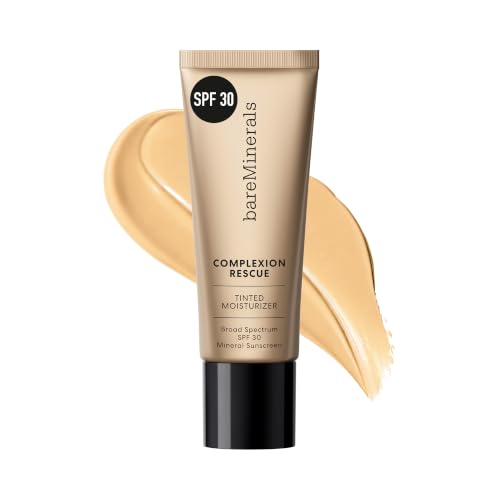
- ✅ Sheer-to-light dewy gel-cream coverage
- ✅ Contains hyaluronic acid and squalane according to the brand
- ✅ Distinct from the matte version when cheek comfort leads
- ❌ A dewy finish may demand a later blot around the nose
- ❌ The AD Buttercream 03 shade is intended for a very light warm complexion
🧪 Lash Lab Notes — Fauzia (University Student & Beauty Enthusiast)
The gel-cream format may be more appealing when cheek texture is the first problem you notice. Keep the center of your face light, because hydration does not equal sebum control.
- 💡 Editor’s Note: We would reach for this version when dry cheeks, not the nose, set the tone for the day. The dewy finish has a real comfort appeal, but it comes with a shine trade-off. You may prefer to blot only the T-zone later.
To compare experiences with the dewier original, take a look at the bareMinerals Complexion Rescue Original reviews.
Consider this when dry cheek texture bothers you more than forehead shine.
These differences make the two-zone shopping method much easier to apply.
Choosing Your One-Tube Compromise
Start with the area that makes your makeup look wrong first. If your nose becomes slick in an hour but your cheeks stay smooth, a matte-leaning option is sensible; if cheeks look tight and patchy almost immediately, the more hydrating finish may be the better starting point.
Try a thin layer on both facial zones, check it in natural light, and look again after a normal part of your day. Notice whether your nose looks more reflective, whether the cheeks feel uncomfortable, and whether the color stays even. That quick check tells us more than an unqualified “all-day” claim.
A useful tint doesn’t need a complicated routine. If a touch of powder only on the nose helps you, that can be a practical compromise; if you want no extra products, choose the formula that needs the least rescue on your skin.
Our combination-skin needs can change with seasons and routines. The broader tinted-moisturizer guide is useful when you decide finish, shade range, or coverage matters more than the two-zone trade-off.
Does SPF in a Tinted Moisturizer Replace Sunscreen?
Not reliably. Some picks here have SPF 25 or SPF 30 on the label, but a thin, cosmetic amount of tint should not be assumed to deliver the tested protection level across your whole face.
The American Academy of Dermatology advises a broad-spectrum sunscreen with SPF 30 or higher, applied adequately. Treat makeup SPF as a possible extra layer, not proof that your ordinary tint amount has replaced a separate sunscreen step.
A sunscreen layer keeps sun protection separate from how much tint we use for even color. That matters when you deliberately keep product thin on the oily nose or drier cheeks.
If tinted moisturizer starts balling up over sunscreen, the problem may be how the layers interact rather than the tint’s finish. Our dedicated troubleshooting guide walks through that separate application problem.
Common Questions About Tinted Moisturizer on Combination Skin
The tricky part? Deciding how much shine we can live with and how little makeup we want. These quick answers clarify those everyday trade-offs.
❓ Do I need setting powder with a tinted moisturizer?
Not always. If a formula stays comfortable on cheeks and relatively neat around the nose, extra powder may be unnecessary. Blot or apply a little powder only on oily spots if you prefer that finish.
❓ Does oil-free mean my T-zone will stay matte?
No. Oil-free describes part of a formula, not how much oil your skin will produce. Even an oil-free tinted base can look shinier as the day goes on.
❓ What should I do if tint catches on dry patches?
Use a small amount and avoid building many layers over flaky skin. If dryness still dominates, a less mattifying finish may be more flattering than a stronger oil-control base.
Final Thoughts on Combination-Skin Tint
The easiest shopping rule is to watch which zone causes the compromise. If the nose becomes shiny first, start with a natural-matte tint; if cheeks become patchy first, lean toward a softer gel-cream finish. What matters is not a perfect label but a result that looks comfortable across both parts of your face.
Last update on 2026-11-18 / Affiliate links / Images from Amazon Product Advertising API