⚡ TL;DR: Mascara Tips
Most mascara problems — clumps, smudging, flaking, and lashes that won’t hold a curl — usually come from small mistakes in prep, timing, application, or removal.
These mascara tips help you get cleaner, more lifted, longer-looking lashes without constantly switching formulas.
Follow the right routine, and you can get:
- fewer clumps
- less transfer
- better curl hold
- smoother application
- cleaner removal
Not sure where to start? Follow Tips 1–3 first. Fixing prep alone solves a lot of clumping, smudging, and curl-drop issues.
Okay, so here’s the truth most people don’t talk about.
Switching mascaras over and over rarely fixes the Problem. What usually changes your results are the mascara tips you follow before, during, and right after application.
We see it all the time. Lashes look clumpy. Mascara smudges under the eyes. Curl drops halfway through the day. And the first instinct is to buy another tube.
But in most cases, the formula isn’t the only issue.
- It’s the prep.
- The timing.
- The layering.
- Or a few small habits that quietly sabotage the finish.
That’s exactly why this guide exists.
This page is designed to be your practical reference for mascara tips — not a product ranking, not a trend list, and not a full application course. Just clear, repeatable advice that helps mascara look cleaner and wear better.
This guide is for:
- beginners who want better lashes without overthinking
- everyday mascara users who want consistent, clean results
- Anyone tired of clumps, panda eyes, or mascara that won’t behave
This isn’t about hype or miracle products. It’s about practical mascara tips that make mascara work the way it’s actually supposed to.
🧪 During routine testing, Dr. Rabeya Akter (A dental surgeon and a beauty enthusiast) observed that many mascara smudging issues weren’t formula failures at all — but leftover eye cream residue breaking down the product faster than expected.
🧭 Before We Dive In:
This guide focuses on mascara tips and decision rules, not full step-by-step tutorials or product rankings.
When something needs deeper explanation — like detailed application steps, specific smudging fixes, removal methods, or formula breakdowns — we keep it brief here and save the deeper guide for a dedicated article.
Now let’s get into the habits and techniques that actually move the needle, starting with the simple routine pros follow every time.
✨ Inside This Mascara Guide
Mascara Tips: The Quick Step-by-Step Routine
Before we get into individual tips, let’s zoom out for a second.
Pros don’t rely on luck. And they don’t fix every bad lash day by switching mascaras.
They usually follow the same simple mascara routine:
- Prep — start with clean, dry lashes
- Curl — curl lashes before mascara
- Apply — use thin coats, not heavy layers
- Adjust — separate and fix while mascara is still wet
- Remove — take it off gently without scrubbing
If you’re still learning the basic order, it helps to understand the full application process first before jumping into small fixes.
That’s it. No drama. No complicated steps.
Most mascara problems happen when one of these steps is rushed or skipped — especially prep. Oil, heavy skincare, rushed coats, and late fixes can all lead to clumps, smudging, flakes, or curl drop.
Here’s the good news.
Fixing mistakes usually doesn’t mean starting over or removing all your makeup. Small adjustments, made at the right moment, solve most issues on the spot.
This guide focuses on those habits and decision rules — the ones that consistently make mascara behave.
Now let’s start where the biggest improvements happen: before the wand even touches your lashes.
Prep Tips That Prevent Clumps, Smudging & Curl Drop — Tips 1–3
If mascara keeps misbehaving, this is usually where things go wrong.
Prep alone can prevent a lot of clumping, smudging, and curl-drop issues before the wand even touches your lashes. These mascara tips are simple, but they make a big difference.
Tip 1 — Start With Clean, Dry Lashes
Mascara doesn’t play well with oil.
Residue from eye cream, sunscreen, or leftover makeup can break down mascara faster — especially wax-based formulas. When that happens, you get smudging, uneven application, and lashes that won’t hold a curl.
This step matters even more if you have oily skin or hooded lids.
Clean, dry lashes give mascara something stable to grip onto, which means:
- better curl hold
- smoother application
- less transfer throughout the day
If mascara looks fine at first but falls apart later, prep is often the real culprit.
Tip 2 — Create an Oil Barrier If You Smudge Easily
If mascara keeps transferring under your eyes, it’s often not just the mascara.
It’s oil plus lash contact.
A very light oil barrier — usually a tiny amount of translucent powder pressed onto the lids and under-eyes — can help reduce transfer. Think prevention, not baking.
This can help if you deal with:
- hooded lids
- oilier eye areas
- warm or humid conditions
- mascara that looks fine at first, then smudges later
⚠️ Not ideal for: very dry under-eyes.
If that’s you, skip the powder and focus more on a lighter application or a better formula match instead.
You don’t need advanced technique here. Simply understanding why smudging happens already puts you ahead of most people.
Tip 3 — Always Curl Before Mascara
This one’s non-negotiable.
Always curl your lashes before mascara, not after. Curling after mascara can crack the dried product, tug at your lashes, and increase the chance of breakage over time.
Curl first, then apply mascara so the formula can help lock the shape in place instead of fighting against it.
If your curl still drops quickly even when you curl first, the issue is usually one of three things:
- The coats are too heavy
- The formula is too wet or flexible
- Your lashes need a stronger curl-holding formula
So don’t keep adding more mascara to “force” the curl. Keep the layers thin and choose a formula that supports lift.
Application Tips That Instantly Improve Results — Tips 4–7
Once prep is right, application is where lashes go from okay to noticeably better.
These mascara tips focus on placement, timing, and control — not piling on more product.
Tip 4 — Focus Product at the Lash Root First
Where you place mascara matters more than how much you use.
Set the wand at the lash root, gently wiggle or zig-zag, then sweep upward through the lashes. This builds density where it counts and creates lift from the base.
The effect is subtle but powerful:
- Lashes look fuller at the root
- The lash line looks naturally defined
- You get a soft “liner effect” without using eyeliner
The key is not to overload the tips. Too much product at the ends can make lashes feel heavy and pull the curl down faster.
Tip 5 — Thin Coats Look Better Than Thick Ones
More mascara doesn’t mean better lashes.
Wipe excess product off the wand before applying, then build one to three thin coats.
Wipe the excess onto a tissue instead of scraping it around the tube opening. That keeps the tube cleaner and helps avoid messy buildup over time.
Let each coat get slightly tacky before adding the next. Don’t layer while everything is soaking wet, but don’t wait until the first coat is fully dry either.
Many clumping and overloading problems happen because layers are added at the wrong time.
Understanding how mascara layering works makes it much easier to build volume without sacrificing separation.
Thin layers give you control, separation, and a cleaner finish that looks far more polished than one heavy coat.
If lashes start clumping, it’s usually a sign that:
- Coats are too thick
- You’re layering too fast
- The wand is carrying too much product
Slowing down here fixes most issues instantly.
Tip 6 — Separation Matters More Than Volume
Volume without separation quickly turns into clumps — and clumps make even the best mascaras look messy.
If lashes start sticking together early, everything that comes after just exaggerates the Problem. Clean separation is what makes volume actually look good.
A simple rule to remember: separate first, then build.
If needed, use a clean spoolie or lash comb while the mascara is still wet. That gives you fuller-looking lashes without the heavy, stuck-together finish.
Tip 7 — Stop Adding: Fix While It’s Still Wet
Once mascara sets, your options shrink.
If something looks off — clumps, lashes sticking together, uneven spots — fix it while the mascara is still wet, not after it dries.
Use a clean spoolie or lash comb to gently separate and correct the lashes now. Don’t keep piling on more product once things start going wrong. That usually makes lashes heavier, stiffer, and more clumpy.
Small fixes at this stage prevent:
- heavier correction later
- stiff, overbuilt lashes
- The frustration of redoing your eye makeup
If you remember one rule here, make it this: fix early, don’t layer blindly.
Lower Lash Mascara Tips — No Smudging, No Mess — Tips 8–9
Lower lashes are where mascara goes wrong the fastest.
The margin for error is small, and even great formulas can smudge if the approach is too heavy. Most of the time, the fix isn’t switching products — it’s using less mascara with more control.
Tip 8 — Precision Beats Product Amount
Lower lashes don’t need volume.
They need definition.
Heavy coats transfer quickly because lower lashes sit close to the skin and blink against it often. Add oil into the mix, and smudging becomes much more likely.
Use a very light touch. If you can see thick product sitting on the lash, it’s already too much.
Think: barely-there definition, not drama.
Tip 9 — Wand Choice Matters More on Lower Lashes
This is one area where the brush can matter more than the formula.
Skinny, tapered, or micro wands give you control without flooding the lashes with product. Hold the wand vertically and use just the tip to lightly coat individual lashes.
Optional but helpful: place a spoon, tissue, or business card under the lower lashes as a shield to catch mistakes.
If lower lashes are a constant struggle, it’s often a wand mismatch — not a bad mascara.
If smudging, transfer, or messy lower-lash application keeps happening, the technique usually matters more than the formula itself. A few small adjustments can make lower lashes look much cleaner and easier to control.
Quick Fixes for Common Mascara Problems — Tips 10–13
⚠️ Important: This section helps you identify the cause fast, so you can fix the issue without redoing your makeup or guessing.
Most mascara problems follow predictable patterns. Use this quick diagnosis table first.
| Problem | Most Likely Cause | First Thing To Try |
|---|---|---|
| Clumping | Too much product | Thin coats + separate while wet |
| Smudging | Oil + lash contact | Powder barrier + lighter application |
| Flaking | Old or overlayered mascara | Simplify layers or replace tube |
| Curl dropping | Heavy formula or coats | Curl first + keep layers thin |
Now let’s look at each issue more closely.
Tip 10 — Clumping Is Usually a Product-Load Issue
Clumps rarely mean the mascara is bad.
They usually happen when too much product is applied too quickly, especially with formulas that dry fast. Overloading the wand and rushing layers makes lashes stick together before they have time to separate.
Quick fix:
- wipe excess product off the wand
- slow down
- build thin coats
- separate lashes while mascara is still wet
If your lashes are already stuck together and need a full rescue method for wet clumps, dry clumps, or glued-together lashes, use the deeper guide here:
Tip 11 — Smudging Is an Oil + Lash-Contact Problem
Smudging usually happens when lashes touch skin that has oil, eye cream, sunscreen, or makeup residue on it.
That’s why it’s more common with:
- hooded lids
- oilier eye areas
- heavy lower-lash application
- warm or humid weather
Once oil breaks down the mascara and lashes touch the skin, transfer becomes much more likely.
Quick fixes:
- Keep eye cream and sunscreen away from the lash line
- Let skincare fully absorb before applying mascara
- Use very light lower-lash coats
- Choose formulas that resist oil better
Pro fix: if mascara smudges, let it dry completely first. Then gently flick it off with a clean spoolie or cotton swab.
For fresh messes, use a tiny amount of remover on a cotton swab and spot-clean carefully so you don’t spread the pigment.
If smudging keeps happening, the full prevention guide breaks down the deeper causes and fixes here:
Tip 12 — Flaking Often Means Old or Overlayered Mascara
Flaking usually isn’t random.
It often happens when mascara is too dry, too old, or layered too heavily. Some formulas also flake when they’re stacked with another mascara that doesn’t pair well.
If flakes show up midday, it’s usually a sign to:
- Simplify your layers
- stop over-coating
- Avoid mixing too many formulas
- Replace the tube if it feels dry or crumbly
If your lashes look good at first but start shedding little black flakes later, don’t keep adding more product. That usually makes the flakes worse.
Tip 13 — Curl Dropping Usually Means Weight or Formula Mismatch
If your lashes lose curl even after you curled them first, check the weight of your mascara.
Curl usually drops when coats are too heavy, too wet, or too flexible for your lash type.
Quick fixes:
- keep coats thin
- Focus product at the root, not the tips
- avoid over-layering
- Use a stronger curl-holding formula if your lashes are very straight
This is a quick decision rule, not a full curl tutorial: if your technique is already right and the curl still falls, the formula is probably too heavy for your lashes.
If curl drop keeps happening even after you curl first and keep coats thin, the next step is usually choosing a formula built for lift and hold.
Mascara Formula Intelligence — Tip 14
Not all mascaras behave the same.
You don’t need a full formula lesson to get better results, but basic formula logic helps you choose smarter instead of buying random tubes and hoping for the best.
Here’s the quick version:
- Regular mascaras are good for everyday volume, length, and drama, but they may smudge faster on oily lids because oil can break them down.
- Waterproof mascaras are usually better for holding curl, especially on straight or stubborn lashes. The tradeoff is removal, so a gentle technique matters.
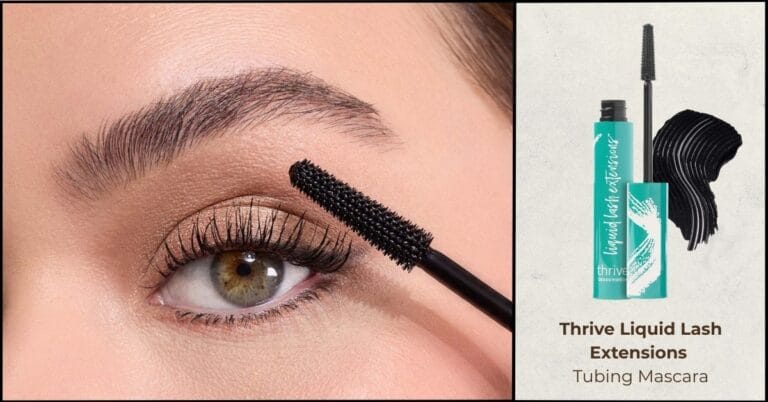
- Tubing mascaras are often helpful for oily lids, hooded lids, and panda-eye smudging because they resist oil better and usually remove with warm water and gentle pressure.
This guide is still focused on practical mascara tips, not a full mascara-type breakdown.
If you want the deeper explanation of regular, waterproof, tubing, lengthening, volumizing, and other mascara categories, start here:
Mascara Wand Cheat Sheet — Tip 15
Sometimes the formula isn’t the issue at all.
It’s the brush.
A mascara can be good and still look bad on your lashes if the wand doesn’t match what your lashes need. This quick cheat sheet usually explains the Problem fast.
Wand Cheat Sheet
| Wand shape | What it’s best for | Works great if you have… |
|---|---|---|
| Curved wand | lift + curl | straight or downturned lashes |
| Hourglass wand | volume + fanned-out look | sparse lashes |
| Tapered / cone wand | inner-corner precision + outer-lash build | shorter inner lashes or you like a lifted outer corner |
| Micro / skinny wand | control + clean definition | short lashes, hooded lids, lower lashes |
| Comb-style wand | separation | lashes that stick together easily |
If a mascara never seems to work for you, there’s a good chance the wand just isn’t suited to your lashes — and no amount of layering will fully fix that.
This is only the quick version. If you want the deeper breakdown of how different wand shapes affect volume, length, curl, separation, and control, start here:
Mascara Hygiene & Safety Rules
Mascara sits close to the eye, so hygiene matters more here than almost anywhere else in your routine.
No hacks, no shortcuts. This is one area where being strict actually protects your lashes and your eyes.
A good rule is to replace mascara around 3 months after opening, especially if the formula starts smelling different, feeling dry, clumping more than usual, or irritating your eyes.
That’s why these are the rules we don’t break:
- Never share mascara, even with people you trust.
- Toss mascara after an eye infection.
- Don’t add water or saliva to a dry tube.
- Don’t pump the wand in and out of the tube.
- Replace mascara around 3 months after opening.
For a deeper breakdown of mascara shelf life, expiration signs, and when a tube is no longer safe to use, start here:
⚠️ Caution: If you have persistent redness, pain, swelling, discharge, itchy lids, or sudden sensitivity to light, stop using eye makeup and see an eye doctor.
🧪 Dr. Sazia (A medical doctor and a beauty enthusiast) flagged that many “mystery irritation” patterns weren’t from one specific brand. They were often from old mascara tubes being kept too long, especially after watery eyes, seasonal allergies, or irritation.
How to Remove Mascara Without Damaging Lashes
Removal is where a lot of lash breakage happens — not because mascara is bad, but because people scrub too hard when they’re tired.
Here’s the quick, safe protocol.
Quick Removal Rules
- For waterproof mascara, use an oil-based remover or cleansing balm, press and hold on lashes for a few seconds, then wipe gently. Less rubbing means less lash stress.
- For tubing mascara, use warm water and gentle pressure until the tubes slide off. No harsh scrubbing needed.
- For regular mascara, use a gentle eye makeup remover or micellar water, hold briefly, then wipe downward softly.
The main mascara tip here is simple: soak, soften, then wipe gently — don’t scrub.
This is only the quick version. If you want the safest technique for waterproof, tubing, and regular mascaras, the complete removal guide walks through it step by step.
Advanced Mascara Tips Pros Use
These aren’t required.
But once prep, application, and removal are working, these bonus tricks can help you get a little more polish without piling on product.
Bonus Tricks
- Sandwich coat logic: Lightly coat the top side of lashes first while looking down, then coat the underside while looking up. This adds depth without one thick, heavy coat.
- Mascara cocktailing: Use a separating or lengthening mascara first, then a volume mascara second. Only add a waterproof or tubing top coat if the formulas layer well together.
- Fan-brush lash painting: Use a clean fan brush or tiny detail brush to paint mascara onto lower lashes, inner corners, or small gaps with more precision.
- For hooded eyes, keep coats lighter and consider tubing formulas if transfer is constant.
- For monolid eyes, focus on lightweight coats and curl-holding formulas to help lashes stay visible throughout the day.
- For close-set eyes, focus a little more mascara on the outer third.
- For wide-set eyes, keep the application more balanced across the lash line.
Frequently Asked Questions
❓ Do mascara tips work for all mascaras?
Yes. These mascara tips can improve how almost any mascara performs. Formula changes the finish, but habits control consistency.
❓ Is layering mascaras safe?
It can be, as long as coats stay thin and the formulas work well together. Over-layering is where clumps, flakes, and stiffness usually start.
❓ Does technique matter more than brand?
Most of the time, yes. Technique has a huge effect on clumping, smudging, curl hold, and wear. A better brand won’t fix rushed prep or heavy layers.
❓ Why does my mascara smudge even when it’s waterproof?
Because most everyday smudging is oil plus lash contact, not just water. If your lashes touch oily skin, transfer can still happen.
❓ Why do my lashes clump on the second coat?
Usually, the first coat got too dry, the second coat was too heavy, or the wand had too much product on it. Thin coats, slightly tacky timing, and quick separation fix it fast.
❓ How do we stop mascara from transferring to the upper lid?
This is usually caused by lashes touching the lid before the formula fully sets. Keep lid skincare light, let products settle, and use thinner coats.
❓ Can tips help with sensitive eyes?
Yes. Gentle habits, clean tools, fresh mascara, and easy removal can make a big difference. If your eyes keep reacting, stop using the product and check with an eye doctor.
Final Thoughts — The Mascara Tips That Make Results Predictable
Here’s the big takeaway: mascara works best when habits come first.
Once prep, application, quick fixes, removal, and hygiene are dialed in, mascara becomes more predictable. You stop guessing. You stop panic-layering. And your lashes start looking cleaner, more lifted, and more defined.
You don’t need a complicated routine. You just need the right mascara tips in the right order — and small habits that actually work in real life.
🎁 Before We Dive In…
For a simple next step, especially if you’re still building your eye makeup routine, start with the basics first:
- 📌 Eye makeup for beginners