⚡ TL;DR: rodan and fields eyelash serum reviews
R + F Lash Boost has strong manufacturer-reported and buyer-review signals for fuller, longer-looking lashes. But this is not a low-stakes conditioning serum.
The current formula contains isopropyl cloprostenate. The brand also lists meaningful eye-area cautions. Add the $155 full-size price, and results, tolerability, and recurring cost all matter.
If we’re comparing rodan and fields eyelash serum reviews, what really matters? Not simply whether Lash Boost can make lashes look longer.
We also need to ask whether the result, routine, price, and eye-area trade-offs fit. The cosmetic benefits deserve serious consideration. So does the warning list, right alongside those before-and-after claims.
✨ Inside This Lash Guide
🌸 Psst…
Some links in this post are affiliate links. If you shop through them, we may earn a small commission at no extra cost to you — like a little coffee while we keep testing beauty favorites. ☕💄
What R + F Lash Boost Actually Is
So, what are we actually putting near the lash line?
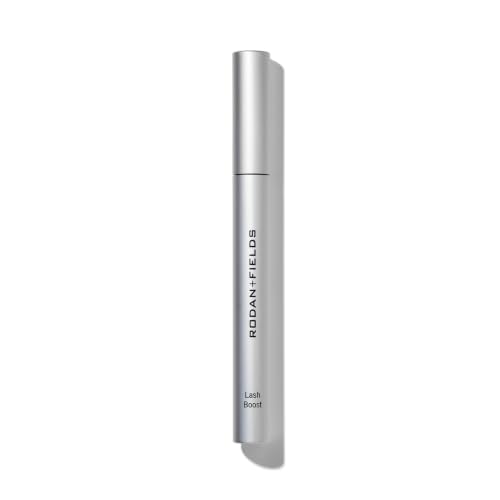
R + F Lash Boost is a cosmetic conditioning serum for the upper lash line. Rodan + Fields positions it for once-nightly use.
Its goal is to enhance the appearance of lash length, fullness, definition, and darkness. The full-size format is 5 mL (0.17 fl oz). The same serum can also be used on brows.
That distinction matters. Lashes that look longer or fuller are a cosmetic claim. That is different from saying a product medically regrows eyelashes.
We found no evidence supporting Lash Boost as a medical lash-regrowth treatment.
And what makes the formula different from a basic conditioner? The current ingredient list includes isopropyl cloprostenate, a prostaglandin analogue.
That fact does not automatically make Lash Boost a poor choice. It does make the eye-area warning profile more important than it would be for a simple peptide-and-humectant conditioner. We’ll unpack that trade-off below.
Our Review: Price, Results, and Trade-Offs
What matters most in a single-product review like this?
We judged Lash Boost inside the Rodan + Fields line. We looked at whether the result signals support the routine, how practical nightly use feels, whether the current price makes sense, and how the eye-area trade-offs affect the decision.
Rodan + Fields R + F Lash Boost Serum
Primary Review
This is a premium nightly lash serum with recurring regimen cost. Its warning profile also deserves more attention than the sleek tube suggests.
Why is the appeal so easy to understand? The routine is simple: apply a thin line at night, stay consistent, and aim for lashes that look longer and fuller over time.
The verified product record shows a strong positive buyer pattern around visible length and thickness. Some reports also describe changes within a few weeks.
So what’s the catch? The same review record includes mixed feedback on irritation, redness, under-eye darkening, tube longevity, and value.
At the current premium full-size price, that variation matters. A tube lasting roughly two to three months with once-daily use makes this an ongoing routine expense, not simply a one-time beauty splurge.
Bottom line: This fits someone who wants a premium, steady nightly lash routine and can weigh visible-result potential against both price and eye-area tolerability.
- ✅ Buyer reports show a strong pattern of longer-, fuller-looking lashes when use stays consistent.
- ✅ The once-nightly routine is simple, with a small applicator designed for precise lash-line use.
- ✅ The current full-size product identity and specifications are clearly established.
- ❌ A poor fit for anyone seeking a low-cost lash conditioner or avoiding a premium ongoing routine.
- ❌ Less appealing for anyone with prior eye-area sensitivity to lash serums who prefers not to accept that trade-off.
- ❌ Not for anyone expecting guaranteed results, because cosmetic response and tolerance vary by user.
🧪 Lash Lab Notes — Dr. Sazia (Medicine Specialist & Beauty Enthusiast)
I give comfort history and contraindications the same weight as cosmetic results and price with an eye-area serum like this. I would not treat irritation signals as normal simply because the product is popular.
- 💡 Editor’s Note: Star rating alone would not make our decision. The positive result signals deserve attention, but so do the ingredient list and warning profile. We would also count the cost of staying consistent for months rather than days.
👉 See what current buyers say about Rodan + Fields Lash Boost.
Best for steady nightly users who value visible lash enhancement enough to accept a premium ongoing cost.
Care tip: keep application to clean, dry lashes or the lash line as directed, use only a small amount, and let it dry before layering other eye products.
The buying case is clearer now. But what should we realistically expect from the evidence behind the routine?
What Results Can You Realistically Expect?
What do the actual result signals tell us?
Rodan + Fields reports fuller-looking lashes in 90% of participants after eight weeks in its U.S. clinical and consumer study. It reports longer-looking lashes in 85% and darker-looking lashes in 63%.
Those figures are useful context. They are still manufacturer-reported eight-week results, not independent efficacy rates.
Buyer reviews point in the same broad direction, but the picture is not uniform. Many reviewers describe visible gains in length or fullness with consistent serum use.
Others describe little visible change, irritation, or disappointment with value. That split matters. We can treat consistency as important without treating it as a guarantee.
And how quickly should we expect anything to happen? The brand’s headline evidence centers on eight weeks. Some buyer reports describe earlier changes.
An early anecdote is not a promised timeline. The routine needs enough time for a fair judgment. Discomfort, however, should not be interpreted as evidence that the formula is “working.”
There is another limit to keep in mind. Rodan + Fields states that it has not conducted long-term testing.
So the responsible claim stays narrow: Lash Boost has credible signals for improving the appearance of lashes during consistent use. Long-term product-specific certainty remains more limited.
The Formula and Eye-Area Safety Trade-Off
Why does this formula deserve a closer safety discussion?
The current Lash Boost formula contains isopropyl cloprostenate. Rodan + Fields names it directly in the ingredient list. We do not have to infer it from old screenshots or forum posts.
The formula also includes conditioning and hydrating ingredients. These include keratin, biotin, sodium hyaluronate, panthenol, allantoin, and copper tripeptide-1.
The bigger issue is the warning profile. Rodan + Fields says some users have reported redness or itching, dry or watery eyes, sensitivity, styes, eyelid or eye inflammation, temporary darkening of skin around the eye, lash loss, and hair growth around the eye.
The current brand page also notes customer reports of iris discoloration, droopy eyelids, and worsened meibomian gland dysfunction.
What does independent ophthalmology evidence add here? It explains why prostaglandin analogues receive extra scrutiny, but it needs careful interpretation.
The American Academy of Ophthalmology describes prostaglandin-associated periorbitopathy as a recognized class phenomenon in ophthalmic use. Features can include deepening of the upper-lid sulcus, upper-lid ptosis, and periorbital fat atrophy. Lash growth and pigmentation changes are also known in the class.
That evidence does not tell us how often any specific change occurs with Lash Boost. Product, dose, exposure route, and study design differ. So class-level evidence gives context, not a product-specific incidence estimate.
A review indexed by PubMed/NIH raises another caution. It argues that safety literature on prostaglandin-analogue eyelash products has limitations, including heavy industry sponsorship and study designs that may undercapture discomfort or prostaglandin-associated periocular changes.
It also notes that iris-pigmentation risk has not been adequately investigated across the category.
The practical point is straightforward. Visible lash improvement and eye-area tolerance are separate questions.
A serum can be cosmetically effective for someone and still be a poor personal fit. Persistent lash-line irritation or a warning profile that conflicts with health history changes that decision.
Who R + F Lash Boost Is Best For
Who is likely to find this routine worthwhile?
First, it makes the most sense for someone willing to stay consistent. Use is once nightly, and the brand’s headline results are framed around eight weeks rather than overnight change.
If we tend to drop a product after a week or two, the value proposition weakens quickly.
It also suits someone who puts high value on fuller-, longer-looking lashes. That person also needs to be comfortable paying for an ongoing premium routine.
If a full-size tube lasts roughly two to three months, the current $155 price makes more sense as a continuing beauty expense than as a single purchase.
And there is one more filter: does the warning list raise an obvious concern? A better fit means it does not.
That is not medical clearance. It is simply a basic common-sense check for a product used directly beside the eyes.
Who Should Avoid R + F Lash Boost?
When should the warning list carry more weight than the cosmetic upside?
Rodan + Fields’ current warning language is unusually specific. Check the warning list first remains the right rule.
The brand advises against use during pregnancy or nursing. It also lists glaucoma or cancer treatment as reasons not to use the product, along with histories of conjunctivitis, dry eyes, eye infections, styes, irritation from eye-area cosmetics, and other eye-related disorders or illnesses.
There is also sweet almond seedcake extract in the ingredient list. Rodan + Fields tells people with nut allergies to consult a physician before use.
What if the lash line becomes red, itchy, dry, swollen, persistently watery, or otherwise uncomfortable? We would not treat “pushing through” as part of the routine.
Stop use and seek appropriate clinical advice if symptoms are concerning or persistent. This is an eye-area cosmetic. Discomfort should not be treated as a normal performance milestone.
How to Use R + F Lash Boost Without Overdoing It
Does more serum mean faster results? The brand does not present it that way.
Its current directions are simple. Precision matters more than extra product.
Step 1:
Begin with a clean, dry upper lash line. Remove eye makeup first, then let the area dry before applying the serum.
Step 2:
Use one dip of the applicator per eye, then wipe away excess. More serum is not presented as a shortcut to faster results.
Step 3:
Apply a thin line along the upper lash line only, where liquid liner would normally sit. Keep the serum from going directly into the eye.
Step 4:
Give the serum about 90 seconds to dry before applying other eye products or going to bed.
Step 5:
Apply it once nightly. Rodan + Fields does not recommend direct application to the lower lash line. The product is meant to stay on rather than be washed off immediately after application.
What is the goal? Controlled, consistent exposure, not a wetter lash line.
That point matters more with a formula whose eye-area tolerability can vary from person to person.
Common Questions Before You Buy
A few practical questions usually sit between the basic buy-or-skip decision and checkout. Here are the useful ones.
❓ How long does R + F Lash Boost take to work?
Rodan + Fields builds its headline cosmetic-result claims around an eight-week study. Some buyers report seeing changes sooner. We would not treat an earlier anecdotal result as a guaranteed timeline.
❓ How long does one tube last?
The brand has said the full size generally lasts about two to three months with once-daily use. It should be replaced around three months after opening. Actual duration can still vary with application habits.
❓ Does R + F Lash Boost contain a prostaglandin analogue?
Yes. Isopropyl cloprostenate appears on the current ingredient list. That is why we think Lash Boost needs a more careful eye-area risk discussion than a basic conditioning serum.
❓ Can you use Lash Boost on your lower lashes?
Rodan + Fields directs application as a thin line along the upper lash line. It does not recommend direct application to the lower lash line.
❓ Does Rodan + Fields Lash Boost permanently change your lashes?
We found no evidence supporting a permanent-transformation claim. The reviewed evidence supports cosmetic improvement in lash appearance with consistent use, and results vary.
Verdict: Is R + F Lash Boost Worth It?
So, where does that leave us?
R + F Lash Boost can be worth considering when visible lash enhancement matters enough to justify a premium nightly routine. The warning list also needs to leave no reason to avoid it.
The positive result signals are credible enough that we would not dismiss the product as hype. Still, the results, cost, and tolerability belong in the same decision.
We would skip it when the prostaglandin-analogue trade-off feels uncomfortable, eye-area history overlaps with the brand’s cautions, or the recurring price is hard to justify.
That returns us to the opening tension. The strongest case for Lash Boost is not that “it works for everyone.” It is that the cosmetic upside can be meaningful for the right user who accepts the routine and trade-offs.
Want a broader comparison after this Rodan + Fields-specific verdict? Our serum guide is the better next step.
It lets us compare this verdict with other serum options without turning this brand review into a roundup.
Last update on 2026-09-21 / Affiliate links / Images from Amazon Product Advertising API