⚡ TL;DR: best mattifying primer
Shine can sneak back even when makeup starts out fresh. A mattifying primer may make it less noticeable while helping makeup sit comfortably. The trick is finding the texture that works for our routine, not the boldest promise on the label.
Top Picks
- 🏆 Best Overall — e.l.f. Matte Putty — focused oil-absorbing putty formula
- 🥈 1st Runner-up — Milk Pore Eclipse Matte Blur Stick — portable T-zone shine control
- 🥉 2nd Runner-up — Glow Recipe Strawberry Blur Drops — softer silicone-free matte finish
A forehead that looks polished after makeup can begin catching the light before lunch. Finding the best mattifying primer is really about choosing a formula that helps with that change, not trying to stop skin from making oil.
Four textures. Four very different reasons to pick them. One might work best in a thin layer before foundation; another lets us press a little onto a shiny patch later.
✨ Inside This Face Primer Guide
🌸 Psst…
Some links in this post are affiliate links. If you shop through them, we may earn a small commission at no extra cost to you — like a little coffee while we keep testing beauty favorites. ☕💄
Quick Comparison: Best Mattifying Primer
These are four different approaches to visible shine. We did not rank them through a shared laboratory wear test.
| Product | Best for | Format and feel | Main trade-off |
|---|---|---|---|
| e.l.f. Matte Putty | Focused shine-prone areas | Velvety putty | Thin application works best |
| Milk Pore Eclipse Matte Blur Stick | Portable T-zone use | Solid matte stick | Careful touch-up over makeup |
| Glow Recipe Strawberry Blur Drops | Softer matte finish | Silicone-free fluid | Satin finish, not powder-dry |
| Neutrogena Shine Control Matte Booster | Everyday light layering | Liquid primer-serum | Less targeted than a putty |
How to Choose a Mattifying Primer
What bothers us most: shine on the forehead, or visible texture? When the forehead and nose get glossy, a formula made to absorb visible oil is a better starting point than one focused only on smoother-looking pores.
Oil absorption versus pore blur is a useful distinction. A primer can soften the way texture looks in light without doing much to address surface shine; a genuinely mattifying formula should have an oil-control purpose supported by its ingredients or stated use.
And texture? A putty lets us work on specific shiny areas. A light liquid spreads more easily over a larger area. A stick is handy when we just want to target one spot.
Combination skin can call for two different approaches. Try a mattifying layer on the T-zone first. Keep cheeks that look dry comfortably moisturized instead of forcing the same matte finish everywhere.
When shine is the central concern, choosing by skin type can bring up different trade-offs than choosing by finish. The next guide gives that oily-skin-first decision more room than a pure formula comparison can.
For a broader makeup-base decision, oil control is just one of several things a face primer might help with. Our parent guide compares other primer finishes and the reasons to choose them.
Best Mattifying Primers for Shine Control
Each primer has a different job here. The useful comparison is the shine control we want, against a texture we will actually enjoy using.
e.l.f. Matte Putty Primer
Best Overall — targeted oil-absorbing putty
If the T-zone turns shiny after a fresh morning application, this soft putty is worth a look. The brand points to kaolin and white charcoal in its shine-control positioning. We can start with very little instead of treating the whole face.
Press a thin layer over the forehead, nose, or chin before foundation. We do not need to coat every inch. And the variant matters: Matte Putty is not the same product as the brand’s Poreless Putty Primer.
Bottom line: A direct match for surface shine. We would choose it for targeted mattifying, not an all-over skincare-serum feel.

- ✅ Explicitly positioned for excess-oil absorption
- ✅ Putty texture supports precise placement
- ✅ Distinct Matte version, rather than a generic pore blurring product
- ❌ Less convenient for quick application away from home than a stick
- ❌ A thick layer may feel heavier than a fluid if you prefer minimal makeup
🧪 Lash Lab Notes — Fauzia (University Student & Beauty Enthusiast)
With a jar, we can scoop out just what the forehead and nose need. Keep that first layer thin. Add more only if the finish still needs help; extra putty is not automatically extra control.
- 💡 Editor’s Note: We like that it puts shine ahead of sweeping claims about flawless pores. Use a light, targeted layer; restraint suits this formula better than piling it on.
See what current buyers say about the matte texture in the e.l.f. Matte Putty reviews.
If shine mostly appears at the center of the face, this is a straightforward targeted matte base.
If opening a jar is not practical during the day, the next format is easier to carry.
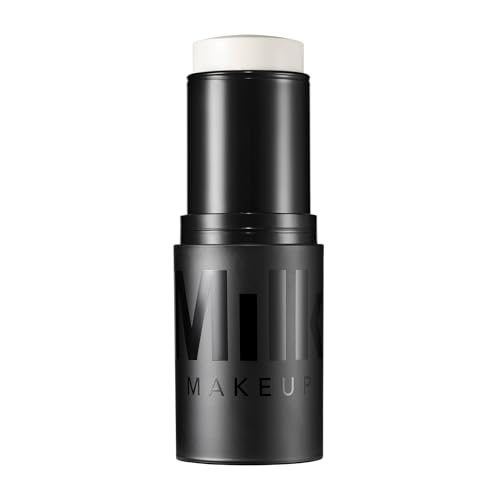
Milk Makeup Pore Eclipse Matte Blur Stick
1st Runner-up — portable soft-matte stick
For a small shiny patch, the solid stick is the real selling point. Milk positions it as a soft-focus matte primer and mentions lentil extract and charcoal among the formula details. It is a focused option, not a reason to cover the whole face.
A stick makes placement easy before makeup, especially around the T-zone. For a refresh over foundation, the brand suggests a more careful method: work a little product from the fingers and press. Dragging the stick across makeup could disturb the finish.
Bottom line: The portable choice for focused control. We like the precision, but press carefully over finished makeup.
- ✅ Compact solid format for precise application
- ✅ Matte-blur purpose supported by the maker’s description
- ✅ Brand describes a touch-up method that avoids sweeping across foundation
- ❌ Direct swiping across finished foundation could move the base underneath
- ❌ A stick may feel less natural than a liquid for an all-over lightweight layer

🧪 Lash Lab Notes — Engr. Nusrat (Engineer & Beauty Enthusiast)
The solid shape keeps placement precise. For an over-makeup touch-up, try a little product from the fingers and press it on. That is more cautious than moving the stick directly across a finished base.
- 💡 Editor’s Note: We would pick this for someone who wants one focused midday adjustment, not a whole second routine. The brand describes long wear, but that marketing language is not our own wear-test result.
See how current buyers describe the stick format in the Milk Pore Eclipse Matte Blur Stick reviews.
A strong fit for anyone who wants a portable, precise way to manage a shiny T-zone.
A liquid can feel more natural when you prefer a softer, less powdery effect.
Glow Recipe Strawberry BHA Blur Drops
2nd Runner-up — silicone-free satin-matte serum primer
Want less gloss without an entirely flat look? These light drops aim for a gentler satin-matte finish. The brand highlights tapioca and rice starches for that immediate cosmetic effect.
There is a BHA component in the formula, too. But its skincare role and the instant look of the primer are different things. We should not mistake a cosmetic blur for an instant skincare result.
Bottom line: A soft matte effect without a putty feel. It suits anyone who prefers a flowing formula to a dense base.

- ✅ Liquid serum-primer texture
- ✅ Silicone-free formula supported by the product description
- ✅ Starch-based shine-softening approach
- ❌ A satin finish may not satisfy someone seeking a very flat powder-matte effect
- ❌ A BHA-containing product deserves extra care for ingredient-sensitive skin
🧪 Lash Lab Notes — Mahmuda (Homemaker & Beauty Enthusiast)
This fluid feels like a different category from a thick putty or a solid stick. Begin with a small amount. Check the finish before adding heavy powder, particularly if we want some natural-looking dimension.
- 💡 Editor’s Note: We like keeping a softer finish in a guide about shine. Nobody needs to erase every hint of glow. Pick this for a texture that suits the routine, not because matte automatically means better.
For feedback on how the drops fit under makeup, explore the Glow Recipe Strawberry Blur Drops reviews from current buyers.
This is the one to consider when a serum-like feel sounds better than a putty, and soft satin-matte sounds better than ultra-flat.
The final pick offers a similarly fluid routine, with a simpler shine-control focus.
Neutrogena Shine Control Matte Booster
Best Everyday Liquid Option — lightweight serum-primer
A primer jar can make the morning routine feel fussy. Neutrogena describes this matte booster as a serum-primer hybrid. It can sit under makeup or be worn on its own, which keeps the morning routine flexible.
Rice protein features in the brand’s description, alongside its oil-absorbing positioning. This is a shine-focused fluid, not an illuminating formula. It deserves a look when we want liquid application without a heavier putty texture.
Bottom line: A simple liquid choice. For mattifying without the feel of a putty, it offers an easy route.

- ✅ Serum-to-primer design for use under makeup or alone
- ✅ Brand-stated excess-oil absorption
- ✅ Lightweight liquid format for an easy daily routine
- ❌ Less precise than a stick when only one small spot needs attention
- ❌ Not a substitute for an oily-skin skincare routine or sunscreen
🧪 Lash Lab Notes — Zayba (A-Level Student & Beauty Enthusiast)
The liquid format keeps mornings simple: no scooping from a jar. Use only what the area needs, then decide whether powder adds anything useful to the finish.
- 💡 Editor’s Note: We like the option to wear it alone or under foundation, especially on lighter-makeup days. What stands out is the simple application, not any proven all-day result.
To hear how the lightweight finish works for current buyers, see the Neutrogena Shine Control Matte Booster reviews.
Choose it for a low-fuss fluid primer that helps keep visible shine in check.
Now we know how the textures differ. But two promises still sound more alike than they really are: mattifying and blurring.
Oil Control and Pore Blur Are Different
They can overlap, but their goals are not identical. Mattifying makes surface oil look less visible. Pore blur aims to soften the look of texture and pores.
A smoother-looking pore does not promise a less glossy forehead later. That is why we chose the explicit Matte Putty variant. We should not assume the Poreless Putty version delivers the same oil-control result.
If visible texture bothers you more than midday oil, the best next choice may be a formula evaluated on blurring first. That separate buying question deserves its own comparisons rather than being squeezed into a shine-control list.
How to Keep Makeup Matte Longer
A simple routine can do more than another thick layer. Prepare the skin, apply primer where it helps, and refresh gently later. These steps can improve makeup’s appearance without claiming to stop sebum production.
Step 1 — Prepare Skin and Let Sunscreen Set
Keep moisturizer and sunscreen in the routine. Primer does not replace either one. Let those layers settle comfortably before makeup, especially if products tend to pill when rushed.
For skin that becomes oily quickly, look for light or oil-free makeup formulas that suit your skin. The American Academy of Dermatology also recommends considering oil-free or water-based makeup for oily skin.
Step 2 — Press a Thin Primer Layer onto Shine-Prone Areas
Start small and focus on the forehead, nose, or chin if that is where oil appears. Press or spread the primer as its format requires. Give the layer a moment before moving on to foundation.
More primer is not a reliable answer to an oily finish. Thick layers can look heavy or contribute to pilling. If the finish still needs help, consider powder only where it is useful.
Step 3 — Blot and Touch Up Without Disturbing Foundation
When the T-zone shines, gently press on a blotting sheet. Avoid rubbing. After that, decide whether a touch of powder or a manufacturer-approved primer touch-up is needed.
Blotting first matters because adding product directly on top of a lot of surface oil can build visible texture. A more focused setting-powder routine is a separate next step when shine keeps returning over foundation.
Is Mattifying Primer Good for Acne-Prone Skin?
Possibly, but a matte surface and skin compatibility are separate questions. Feeling dry to the touch does not make a primer automatically suitable for sensitive or blemish-prone skin. A non-comedogenic claim does not guarantee skin compatibility either.
For acne-prone skin, the American Academy of Dermatology recommends looking for makeup labeled oil-free, non-comedogenic, or unlikely to clog pores. The guidance also stresses removing makeup before going to bed.
If certain ingredients have bothered our skin before, checking the full list still matters. Patch testing a new formula, then stopping if irritation occurs, makes more sense than assuming every matte primer feels alike.
Mattifying Primer FAQs
Picked a texture? A few practical questions usually follow: when to apply it, how much to use, and what to do when shine returns.
❓ Can mattifying primer stop skin from producing oil?
No. Primer may make surface shine less noticeable, but skin still produces sebum. Think occasional blotting, not permanent oil control.
❓ Should mattifying primer go before or after sunscreen?
Moisturizer and sunscreen come first, used as directed. Give those layers time to settle. Then apply primer before foundation, unless the specific product says otherwise.
❓ Is more primer better for very oily skin?
Not usually. Starting thin and applying only where needed is easier to control. Repeated thick layers can leave makeup looking uneven.
❓ Can setting powder replace mattifying primer?
Not quite. Primer prepares the skin before foundation; powder can adjust the finish afterward. We might use both or find that only one is needed.
Final Thoughts on Mattifying Primer
Shine mostly in the T-zone? Start by comparing the targeted putty and portable stick. Prefer a lighter all-over feel? The two liquids give us different finishes to weigh.
That polished morning look can still be our goal, even when oil returns before lunch. Aim for a comfortable base first, then an easy touch-up when needed.
Last update on 2026-10-29 / Affiliate links / Images from Amazon Product Advertising API