
⚡ TL;DR: best primer for oily skin
What is bothering us most: T-zone shine, visible pores, or makeup that slips? That is where the right primer starts. We can choose an oil-absorbing texture for a matte look, a thin serum for a lighter feel, or a smoothing formula when texture matters more than maximum mattification.
Top Picks
- 🏆 Best Overall — Milk Pore Eclipse Matte Blur Stick — targeted shine control and touch-ups
- 🥈 1st Runner-up — e.l.f. Matte Putty Primer — oil-absorbing putty with matte finish
- 🥉 2nd Runner-up — Neutrogena Shine Control Serum Primer — lightweight serum-and-primer versatility
These are starting points, not one-size-fits-all answers. An oily T-zone and uneven-looking pores can call for different choices.
The best primer for oily skin does not have to look bone-dry. Is forehead shine the issue? Or visible pores and foundation sliding around the nose? These problems can overlap, but they are not the same.
We reviewed six identifiable formulas, using published descriptions, ingredient roles, and intended use. We have not independently tested these exact products side by side. So we focus on each formula’s strengths and trade-offs, not a promise of one universal winner.
✨ Inside This Face Primer Guide
🌸 Psst…
Some links in this post are affiliate links. If you shop through them, we may earn a small commission at no extra cost to you — like a little coffee while we keep testing beauty favorites. ☕💄
Quick Comparison: Best Primer for Oily Skin
Use this as a shortcut to the texture and benefit that suit your makeup routine. All six are separate, active product identities, not alternate packaging for the same primer.
| Primer | Best For | Format | Finish / Trade-Off |
|---|---|---|---|
| Milk Pore Eclipse Matte Blur Stick | T-zone shine, touch-ups | Stick | Matte blur; portable |
| e.l.f. Matte Putty Primer | Absorbing visible oil | Putty | Soft matte; use sparingly |
| Neutrogena Shine Control Serum Primer | Lightweight everyday prep | Liquid serum | Shine control; lighter feel |
| Glow Recipe Strawberry BHA Serum Primer | Soft-satin oil control | Liquid serum | Soft satin; contains BHA |
| tarte Timeless Smoothing Primer | Visible pore texture | Smoothing cream | Smooth finish; not a sebum test |
| e.l.f. Poreless Putty Primer | Makeup grip and blur | Putty | Velvety blur; not Matte variant |
How to Choose a Primer for Oily Skin
Where does our makeup struggle first? A shiny forehead is one problem. Foundation catching around visible pores is another. We should start with the one we actually want to solve.
Oil absorption and pore blurring do different jobs. Silica, kaolin, and plant starches can help manage visible shine for a time. Blur softens how texture catches the light. It does not stop our skin from producing oil.
Then there is makeup grip. A primer can help foundation spread or hold more evenly without looking as matte as an oil-absorbing putty. The two e.l.f. putties make that difference easy to see.
Some faces have an oily T-zone while the cheeks need a different finish. If that split is your core concern, choosing specifically for combination skin offers a closer comparison.
If a fully matte base is your priority, a formula-first comparison helps separate options from skin-type marketing alone.
A matte-looking finish can involve several different formula choices. This broader guide compares those choices in more depth.
The 6 Best Primers for Oily Skin
Each product tackles a different oily-skin frustration. What matters more to us: texture, shine, grip, or a lighter feel? That trade-off should lead the choice.
Milk Makeup Pore Eclipse Matte Blur Stick
Best Overall for Midday Shine
A matte-blurring stick makes selective shine-control placement a compact routine.
Shine showing up mainly on the forehead and nose? A compact stick may be useful here. Milk positions this Pore Eclipse formula for visible blur and a matte-looking base.
The stick gives us a more targeted way to apply primer or touch up later. We do not have to treat every part of the face alike. That flexibility earns it the top spot in this oily-skin shortlist.
Bottom line: Best for concentrated T-zone shine and a portable routine, with claims based on brand information rather than comparative trials.

- ✅ Matte-blurring purpose clearly stated by the brand
- ✅ Stick format suited to precise placement
- ✅ Brand gives instructions for touch-up use
- ❌ Less appealing if you prefer a fluid, all-over primer texture
- ❌ Manufacturer wear claims cannot establish superiority over the other five

🧪 Lash Lab Notes — Engr. Nusrat (Engineer & Beauty Enthusiast)
The portable stick format enables precise T-zone placement and is described for touch-up use. A targeted approach makes sense when shine is uneven across the face.
- 💡 Editor’s Note: We like that this one asks a more useful question than simply ‘How matte?’: where does shine actually appear? Start at that spot rather than automatically coating drier cheeks. That keeps the application decision practical.
Wondering how buyers use the portable format? Compare recent feedback for Milk Pore Eclipse Matte Blur Stick.
Consider this for oilier T-zone areas and makeup-day touch-up convenience.
e.l.f. Matte Putty Primer
Best for a Fully Matte Look
An oil-absorbing putty offers a deliberately soft-matte base for visible shine.
Want a more deliberately matte finish? This e.l.f. putty takes a direct approach. The brand identifies kaolin and white charcoal in its oil-absorbing formula.
This one aims to reduce visible shine before foundation, not only blur pores. But the jar makes the amount we scoop out important. More is not automatically better.
Bottom line: A focused matte pick when excess visible oil is the main issue; use a thin layer to avoid needless buildup.

- ✅ Brand describes a shine-free soft-matte goal
- ✅ Kaolin and white charcoal appear in formula information
- ✅ Separate identity from original Poreless Putty
- ❌ A jar putty is less convenient for portable touch-ups
- ❌ Not the best fit if you favor a softer, more luminous finish
🧪 Lash Lab Notes — Fauzia (University Student & Beauty Enthusiast)
A jar putty is easy to overapply when the first layer looks sheer. Beginning with a thin amount helps keep the layering decision deliberate.
- 💡 Editor’s Note: It is easy to reach for more product when a shiny patch is stubborn. We would start with less and judge the result after foundation settles, because a thick coat is not the same as better oil control. Remember that the original putty has another job.
Need a second opinion on the putty texture? Read current buyer comments about e.l.f. Matte Putty Primer.
Choose this for a soft-matte base when visible oil is the biggest concern.
Neutrogena Shine Control Matte Booster Primer & Serum
Best Lightweight Liquid
A liquid serum-primer offers a lightweight alternative to jarred putty textures.
Not everyone enjoys a thick layer of primer. We get it. Neutrogena gives this Shine Control product a lighter, serum-to-primer role instead.
Its published product description points to excess-oil absorption without requiring a putty texture. That makes it a sensible branch for people who want a thin liquid layer ahead of makeup.
Bottom line: A lightweight route to shine-focused priming, especially if heavy cream textures are not your preference.

- ✅ Can function as a serum or primer according to its description
- ✅ Liquid format differs from matte putty products
- ✅ Rice protein and silica are identified in research
- ❌ Not a grip-specific formula guarantee
- ❌ No independent same-condition wear comparison against the stick or putty
🧪 Lash Lab Notes — Dr. Rabeya (Dentist & Beauty Enthusiast)
A liquid serum can spread as a thin layer over a broader zone. Texture alone does not prove that every foundation will grip or wear the same way.
- 💡 Editor’s Note: One detail worth keeping in mind: a serum-like texture tells us how it spreads, not how every foundation will wear. We would pair a modest amount with the foundation you already own and assess the finish. There is no need to chase the thickest coating.
Want to compare comments on its serum feel? Check recent reviews of Neutrogena Shine Control Serum Primer.
Try this direction if you prefer lightweight liquid priming to putty textures.
Glow Recipe Strawberry BHA Serum Primer
Best Soft-Satin Primer Serum
A soft-satin serum brings blurring and an exfoliating ingredient into one makeup step.
Does our oily-skin routine really need a powder-flat finish? Not necessarily. Glow Recipe offers a softer satin look, with tapioca and rice listed for temporary absorbency and blur.
The formula also includes salicylic acid, which has a separate skincare role from immediate cosmetic shine control. If you already use exfoliating products, the overlap is something to consider early.
Bottom line: A softer-finish serum option, but acid-sensitive routines deserve a more cautious introduction.

- ✅ Soft satin finish rather than a fully flat matte look
- ✅ Silicone-free serum identity in the verified product record
- ✅ Combines a blurring cosmetic role with salicylic acid
- ❌ Not ideal if you need to avoid extra BHA in a sensitive routine
- ❌ A satin finish may not satisfy a maximal-matte preference
🧪 Lash Lab Notes — Dr. Sazia (Medicine Specialist & Beauty Enthusiast)
This salicylic-acid-containing serum adds an exfoliant to a makeup step. Anyone already layering acids should introduce it cautiously and watch for irritation.
- 💡 Editor’s Note: A softer finish can make more sense than forcing your whole face to look flat. We would focus the application where sheen bothers you and introduce the BHA slowly if you exfoliate elsewhere in your routine. Comfort matters more than chasing a marketing hour count.
Curious about buyer reactions to the satin finish? Browse feedback for Glow Recipe Strawberry BHA Serum Primer.
Best suited to serum-primer fans who prefer softer shine control.
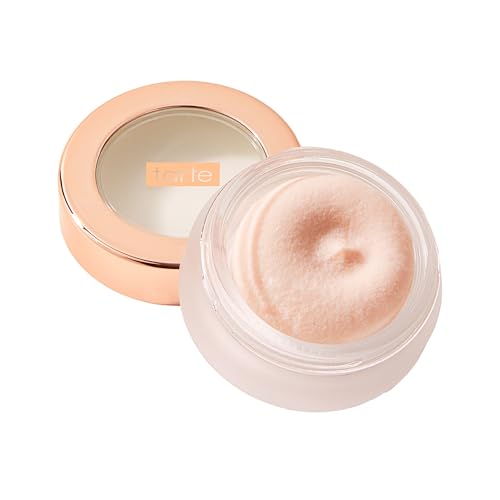
tarte Timeless Smoothing Primer
Best for Visible Pore Texture
A smoothing cream serves visible pore texture rather than a measurable oil-control promise.
Sometimes visible pores bother us more than a shiny forehead. That is where a smoothing cream may make sense. Tarte positions Timeless around visible texture and a more even-looking base.
The published ingredient information includes dimethicone and silica. That supports a smoothing story, but it does not prove this is the longest-lasting mattifier on oily skin.
Bottom line: Most compelling for pore-focused smoothing rather than all-day oil-suppression claims.
- ✅ Texture-focused smoothing purpose
- ✅ Dimethicone and silica listed in manufacturer ingredients
- ✅ Cream format for a targeted smoothing step
- ❌ Not supported as the strongest all-day oil controller
- ❌ Cream texture may not appeal to serum-primer fans
🧪 Lash Lab Notes — Mahmuda (Homemaker & Beauty Enthusiast)
This smoothing formula focuses on the appearance of uneven pore texture. That benefit differs from proof of all-day suppression of skin oil.
- 💡 Editor’s Note: If pores are the worry, judging only by shine misses the point of this pick. We would compare the softened look of texture under foundation instead of treating oil control as its only measure. A separate pore-focused guide can help narrow that choice.
For more perspectives on texture smoothing, see buyer impressions of Tarte Timeless Smoothing Primer.
Consider this when visible texture outranks maximum matte coverage.
Pore texture can remain the main concern even when visible shine is under control. A dedicated pore-primer comparison makes that distinction clearer.
e.l.f. Poreless Putty Primer
Best for Makeup Grip and Blur
A velvety putty focuses on soft-focus pores and foundation grip without the Matte designation.
The original e.l.f. putty is not the brand’s matte jar. Its description focuses on softening the look of pores and helping makeup grip. The brand also lists oily skin among its intended skin types.
That combination makes sense if your base slips or looks uneven, but an aggressively matte look is not your goal. It is the original 0.74-ounce version, not the liquid or Matte Putty variation.
Bottom line: For a velvety blur and makeup grip, with less emphasis on active oil absorption than Matte Putty.

- ✅ Blur-and-grip positioning in e.l.f. product guidance
- ✅ Original putty is described as suitable for oily skin
- ✅ Distinct from both Matte Putty and Liquid Poreless versions
- ❌ May underdeliver for someone seeking the strongest matte finish
- ❌ Two similar e.l.f. product names invite variant confusion
🧪 Lash Lab Notes — Zayba (A-Level Student & Beauty Enthusiast)
Original Poreless Putty is positioned for blur and makeup grip. Its purpose should not be confused with the separately named Matte Putty variant.
- 💡 Editor’s Note: The almost-identical jars make this an easy mistake to avoid before checkout. We would check for the word “Matte” if absorbing shine is the priority, and choose the original if grip and softness matter more. That one label changes the intended result.
Still weighing grip against mattification? Look through buyer reviews on e.l.f. Poreless Putty Primer.
Choose the original putty when smoothing and makeup grip lead your list.
How to Apply Primer Without Pilling
We start with clean skin. Then we let moisturizer and sunscreen settle as their instructions direct. Primer normally goes after skincare and before foundation. If a specific brand directs otherwise, we follow that product’s instructions.
A thin layer is the better starting point. We begin where oil appears first: the forehead, nose, or chin. Then we blend gently and let it settle. Foundation goes on without rubbing the same patch over and over.
If foundation becomes patchy at the nose, check the amount and how well each layer dried before blaming the primer. Pore blurring cannot repair a mismatched or overloaded makeup layer by itself.
Foundation pilling has more than one possible layering cause. If adjusting primer amount and waiting between layers does not help, a foundation-specific troubleshooting guide addresses the broader problem.
For a midday shine spot, blot excess surface oil before deciding whether another touch-up is needed. Milk describes touch-up use for its stick; that does not turn all six formulas into products intended to be worn over finished makeup.
Frequently Asked Questions About Primers for Oily Skin
These are the choices that usually make the difference between a comfortable base and a frustrating second layer.
❓ Is pore-blurring primer enough for oily skin?
Sometimes, if visible texture is the main concern. If oil visibly breaks through by lunch, a formula that explicitly emphasizes oil absorption may better match the problem than blur alone.
❓ Does putty primer go before sunscreen?
No. Follow your skincare and sunscreen instructions, allow them to settle, and apply cosmetic primer before foundation. Use a small amount rather than layering putty thickly over fresh cream.
❓ Can I use putty primer with different foundation bases?
Compatibility varies by the particular primer, foundation, and amount used; a silicone or water label by itself cannot promise a perfect pairing. A small trial over fully settled skincare is more useful than assuming every combination behaves alike.
❓ What if my oily skin also gets breakouts?
Oily and acne-prone are not identical labels, but some people have both concerns. The American Academy of Dermatology advises acne-prone makeup wearers to consider “oil-free,” “non-comedogenic,” or “won’t clog pores” product labels and remove makeup before sleep. Those labels are useful clues, not guarantees for every person.
❓ Should I layer the Glow Recipe BHA primer with other exfoliants?
Its salicylic acid content calls for care if you already use other exfoliating steps. Introduce the new formula cautiously, patch test when appropriate, and stop if irritation appears rather than adding several new active products together.
❓ Can oily skin still need a hydrating primer?
Yes; skin can feel tight or need comfort while still producing visible oil. If a strictly matte base is leaving your skin uncomfortable, the next comparison to explore is hydration rather than simply adding another drying layer.
If an oil-focused product leaves skin feeling tight, comfort deserves its own comparison. The hydrating-primer guide explores that next choice.
Final Thoughts: Match the Primer to Your Shine Pattern
Choose the primer for the frustration you want to change: portable T-zone matte blur with Milk, an oil-absorbing putty with e.l.f. Matte, a thin serum with Neutrogena, a soft satin BHA option with Glow Recipe, pore texture with Tarte, or makeup grip with the original e.l.f. Poreless Putty. No one option can promise the same wear on every oily face.
The simplest first adjustment is still the amount: apply a thin layer after skincare where the problem actually appears. If oily-skin targeting turns out not to be your main need, the broad selection guide is a better next stop.
Last update on 2026-10-29 / Affiliate links / Images from Amazon Product Advertising API