
⚡ TL;DR: best foundation
The best foundation is the one that matches your preferred finish, coverage, and skin behavior, not the one with the loudest wear claim.
For a balanced starting point, compare natural, matte, luminous, and powder options before narrowing by shade.
Top Picks
- 🏆 Best Overall — NARS Light Reflecting — versatile buildable natural finish
- 🥈 1st Runner-up — Maybelline Fit Me Matte + Poreless — affordable everyday shine control
- 🥉 2nd Runner-up — bareMinerals ORIGINAL Loose Powder — buildable loose mineral formula
A foundation that looks effortless on one person can look obvious on another. Finding the best foundation starts with a few honest choices: do you want skin to glow or stay matte, and do you want a hint of coverage or more of an even canvas? We compared twelve distinct formulas and formats by their documented attributes, with no claim of head-to-head hands-on testing.
✨ Inside This Foundation Guide
🌸 Psst… A Little Beauty Note!
Some links in this post are affiliate links. If you spot something you love and shop through our links, we may earn a small commission—at no extra cost to you. Our picks are based on thoughtful research and, where mentioned, hands-on experience. Thanks for supporting Dappered Chic! 💕 Read our Affiliate Disclosure
Quick Comparison: Best Foundation
Use this as a shortcut, not a final shade verdict. Each pick below has one clear advantage and one trade-off worth considering.
| Product | Best For | Finish / Coverage | Main Trade-off |
|---|---|---|---|
| NARS Light Reflecting | A balanced liquid default | Natural; buildable medium | Not full coverage in one swipe |
| Armani Luminous Silk | Soft, polished radiance | Luminous; medium | Prestige price; version-aware shopping |
| Maybelline Fit Me Matte + Poreless | Affordable shine control | Natural matte; medium | Less forgiving on flaky patches |
| Estée Lauder Double Wear | A more tenacious matte base | Matte; medium to full | Can look heavier if overapplied |
| bareMinerals ORIGINAL Loose Powder | A brushable mineral alternative | Natural; buildable powder | Can cling to dry texture |
| Maybelline Fit Me Dewy + Smooth | A fresher-looking affordable finish | Dewy; medium | Not designed for a flat matte look |
| Hourglass Vanish Foundation Stick | Focused, portable coverage | Concentrated stick; full | Needs blending and light-handed use |
| Dior Backstage Face & Body | One fluid for broader placement | Natural; buildable fluid | Shade consistency matters across areas |
| L’Oréal True Match | An undertone-led drugstore range | Natural; medium | The system still needs a real skin check |
| Dermablend Flawless Creator | Adjustable high-pigment liquid | Buildable concentrated coverage | Easy to overapply |
| ILIA True Skin Serum | Serum-like everyday makeup | Natural; medium | Version and shade must be checked |
| Revlon ColorStay | A durable-looking drugstore option | Matte-leaning; buildable | A dry cheek may need less product |
What Matters When Comparing Foundations
A useful comparison needs real differences. Twelve nearly identical liquids would not help much. So we looked at finish, coverage, format, intended skin use, and exact SKU identity.
Each pick also needed a clear reason to be here. We checked the six supplied product databases and brand statements where available. Wear-hour claims are the brands’ claims, not results from our own tests.
The shortlist includes liquid, loose powder, and stick formats. The right texture depends on whether you enjoy blending across the whole face or placing coverage only where needed.
The buying decision gets easier when you first choose finish before marketing claims. When your preference is settled, narrow your options by depth and undertone instead of assuming any online swatch will look identical on you.
Liquid bases can differ dramatically in coverage and skin feel. The liquid-only comparison helps you decide which of those trade-offs suits your routine.
If you are comparing formats rather than brand names, a loose base changes both the tools you use and how much coverage you build.
Powder changes both the application method and the way coverage builds. The powder comparison separates loose and other formats so you can choose more confidently.
12 Best Foundations for Different Needs
These are distinct ways to solve a real makeup problem, not a strict ranking for every face.
A more expensive bottle is not automatically a better match, and linked shades are exact product variants rather than personalized shade recommendations.
NARS Light Reflecting Foundation
A flexible natural finish lets us choose how much skin shows.
The best all-round choice is rarely the thickest formula.
This fluid foundation offers buildable coverage with a natural finish, giving you a middle ground between sheer tint and a heavily perfected base.
Bottom line: Our most versatile starting point if you want to even out the complexion without choosing an extreme finish. You still need a close undertone match.

- ✅ Buildable coverage that lets you start light
- ✅ Natural appearance suits a range of looks
- ❌ Not the obvious choice for instant opaque coverage
- ❌ The exact Anguilla Deep 7 SKU will not fit every complexion
🧪 Lash Lab Notes — Mahmuda (Homemaker & Beauty Enthusiast)
A natural-finish medium base gives the most freedom when your makeup routine changes from workday to evening. Begin with a thin layer and add only where uneven tone still bothers you.
- 💡 Editor’s Note: We chose flexibility over the biggest wear-time headline. Compare your shade in daylight, and remember that a single linked shade is only one variant of the formula.
For the precise listed shade, review NARS Light Reflecting.
Reader Recommendation: Choose it when you want a dependable natural-looking middle ground.
This is the anchor pick; the next choice leans more luminous.
Giorgio Armani Luminous Silk Foundation
Soft glow, not obvious shine. That is the appeal of this premium liquid.
A luminous finish can look polished without turning into a glossy highlight.
This foundation is the luxury entry for someone who values that softer light-reflecting look above a firm matte surface.
Bottom line: A strong premium choice when finish is your main priority; it is not the value pick if budget wins the argument.

- ✅ Gently luminous finish suits polished everyday looks
- ✅ Buildable medium-coverage profile
- ❌ A higher price position than our drugstore picks
- ❌ Recent formula/packaging changes make exact-SKU checks sensible
🧪 Lash Lab Notes — Dr. Sazia (Medicine Specialist & Beauty Enthusiast)
Light-reflecting finishes can soften the look of flatness without requiring heavy pigment. With newer versions on the market, confirm the shade and formula you are actually buying rather than assuming every Luminous Silk listing is identical.
- 💡 Editor’s Note: We would spend more only if the finish matters to you. For a simple workday base, the budget options lower down may be the wiser purchase.
If that glow is on your shortlist, inspect Armani Luminous Silk.
Reader Recommendation: Pick it for refined radiance when a prestige budget makes sense.
The Armani range has its own version-specific questions, especially when older and newer packaging appears side by side.
This luminous formula has gone through version changes that make listing identity important. The Armani-focused guide helps you distinguish the relevant options before buying.
A more economical matte finish comes next.
Maybelline Fit Me Matte + Poreless Foundation
An affordable matte base makes the choice feel simpler.
If foundation slides into an overly shiny finish before lunch, starting with a matte formula is often simpler than piling on powder.
The Fit Me Matte + Poreless line targets a natural-looking matte result at a drugstore price point.
Bottom line: The clearest affordable matte recommendation here; skip it if your skin regularly looks tight or visibly flaky.

- ✅ Matte-finish option without a prestige bill
- ✅ Medium coverage for everyday tone evening
- ❌ Can emphasize already-dry-looking areas
- ❌ The pictured Light Beige shade is not a universal match

🧪 Lash Lab Notes — Fauzia (University Student & Beauty Enthusiast)
A less reflective base helps when shine is the main complaint, but the finish cannot replace careful skin prep. Put a small amount where oil breaks through first, then blend the edges rather than adding another full layer.
- 💡 Editor’s Note: A budget pick should earn its place through suitability, not just price. If your cheeks are dry while your T-zone is oily, use less on the cheeks.
To check the specific matched listing, open Maybelline Fit Me Matte + Poreless.
Reader Recommendation: Best for normal-to-oily skin and shoppers who prefer a matte finish.
For a more wear-focused alternative, look at the next formula.
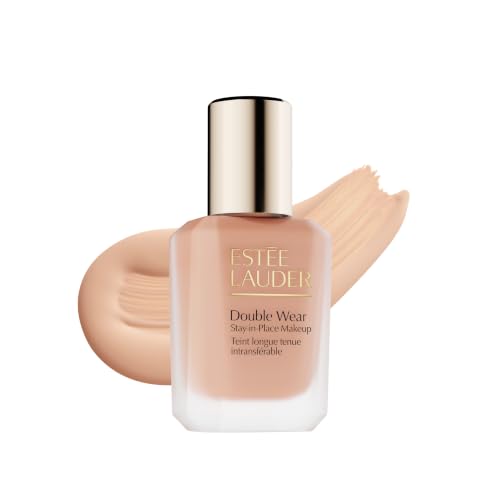
Estée Lauder Double Wear Stay-in-Place Foundation
More coverage and long-wear positioning make this a deliberate choice.
Long days change what you need from your makeup.
The current Double Wear is presented by Estée Lauder as a buildable, medium-to-full matte formula designed for extended wear, not as a substitute for matching shade and skin prep.
Bottom line: Pick this when matte coverage matters more than a barely-there feel. A manufacturer wear-hour claim is not an individual performance guarantee.
- ✅ Medium-to-full, buildable coverage
- ✅ Designed around longer-wear matte use
- ❌ Layering too generously risks a dense finish
- ❌ The New Formula identity must not be confused with older listings
🧪 Lash Lab Notes — Dr. Rabeya (Dentist & Beauty Enthusiast)
The formulation refresh makes version control more than a technical detail. Treat the New Formula label on this exact listing as part of the product identity, and start with less product than you think you need.
- 💡 Editor’s Note: Our choice is tied to the specified new-formula variant. We would not swap in an older Double Wear bottle simply because the range name looks familiar.
See the verified variant through Estée Lauder Double Wear.
Reader Recommendation: A fit for extended days when you favor stronger matte coverage.
For shoppers comparing another NARS longwear direction with this matte formula, the dedicated exact-product review is a more precise next stop.
Choosing longwear is not the same as choosing the most matte finish. The dedicated NARS review clarifies another specific formula for that decision.
Not everyone wants a liquid base, which makes the powder pick useful.
bareMinerals ORIGINAL Loose Powder Foundation SPF 15
Loose mineral powder lets you control the amount with your brush.
A powder foundation is not simply setting powder over a liquid base.
The ORIGINAL loose formula can supply the complexion coverage itself, which makes it an appealing change of texture for someone who dislikes a fluid base.
Bottom line: The most useful powder option on this list if brush-built coverage sounds comfortable; it needs careful application over dry patches.

- ✅ Buildable effect from a loose powder format
- ✅ Flexible amount with controlled brush application
- ❌ Loose powder is less convenient for rushed travel
- ❌ Flaky or rough skin can make powder texture obvious
🧪 Lash Lab Notes — Engr. Nusrat (Engineer & Beauty Enthusiast)
Swirling and applying gradually gives more control than packing a brush with powder at once. The SPF 15 number belongs to this product label; do not count a cosmetic dusting as dependable standalone sun protection.
- 💡 Editor’s Note: We like the clean alternative it offers to liquids, not the promise of a universal airbrushed look. Choose a full-size shade that actually matches your skin.
Compare the matched powder jar with bareMinerals ORIGINAL Loose Powder.
Reader Recommendation: Try it if you enjoy brush application and dislike liquid foundation.
For a completely different finish at a low price, move to the dewy option.
Maybelline Fit Me Dewy + Smooth Foundation
A drugstore price and a brighter-looking finish can go together.
Dry-looking skin can make a matte base feel like the wrong mood altogether.
Fit Me Dewy + Smooth is the alternative within Maybelline’s own lineup when you prefer a fresh, less powdery result.
Bottom line: The budget dewy counterpoint to the Matte + Poreless bottle; choose based on finish, not which label is newer.

- ✅ Dewy-looking finish without a prestige price
- ✅ Medium liquid coverage for routine use
- ❌ Not suitable when you want strict shine control
- ❌ Shade Porcelain is one exact listing, not a default shade
🧪 Lash Lab Notes — Zayba (A-Level Student & Beauty Enthusiast)
The best comparison is against the matte sibling on the same areas of your face. A dewy finish can look alive on drier-looking zones, though a shine-prone T-zone may prefer a different base.
- 💡 Editor’s Note: Two Fit Me bottles answer different needs; there is no need to buy both automatically. We would begin by choosing the finish that looks right after a few minutes.
To examine the dewy variant, visit Maybelline Fit Me Dewy + Smooth.
Reader Recommendation: Go this way when you want affordable radiance on normal-to-dry-looking skin.
Next, a solid stick trades liquid spread for targeted placement.
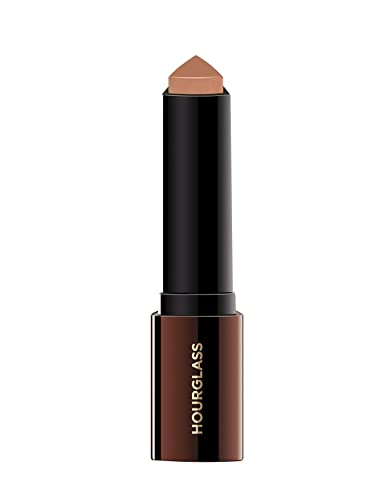
Hourglass Vanish Seamless Finish Foundation Stick
With a cream stick, we can put coverage just where it matters.
You may not want to put the same quantity of foundation on every part of your face.
The Vanish stick is designed for more focused application, making small-area placement its central advantage.
Bottom line: Best for anyone who wants targeted, fuller-looking coverage from a portable stick; less ideal for an effortless all-over sheer veil.
- ✅ Stick shape supports controlled placement
- ✅ Higher coverage potential without many layers
- ❌ Edges need careful blending
- ❌ Can look too concentrated if applied everywhere heavily
🧪 Lash Lab Notes — Mahmuda (Homemaker & Beauty Enthusiast)
Precision is the practical selling point of the stick format. Mark the areas that need more coverage and blend outward; that gives the richer formula somewhere to fade into bare skin.
- 💡 Editor’s Note: The benefit is control, not speed at all costs. We would use a lighter hand at the jaw and around textured areas.
Look at the exact stick shade through Hourglass Vanish Foundation Stick.
Reader Recommendation: Choose it for spot-focused application and a more covered finish.
If a stick appeals but you still need a fuller format comparison, the dedicated guide explains that choice in more detail.
A stick rewards targeted placement, but that does not make every stick identical. The stick-specific guide compares format choices when portability and blending are priorities.
A fluid face-and-body base shifts the emphasis to spreadability.
Dior Backstage Face & Body Foundation
A fluid base can do more than even the middle of the face.
When you need color continuity from your face to your neckline, a fluid formula is easier to spread across a larger area. This one is positioned for that wider-area use.
Bottom line: The specialist all-over option in our lineup; test shade along the face-to-neck transition before using it widely.

- ✅ Purpose-built face-and-body positioning
- ✅ Buildable liquid finish lets you adjust coverage
- ❌ A larger application area uses more product
- ❌ Matching the face alone can leave a visible neckline mismatch
🧪 Lash Lab Notes — Dr. Sazia (Medicine Specialist & Beauty Enthusiast)
The first test for face-and-body makeup should be color continuity, not the appearance in a compact mirror. Compare a small amount near your jaw and upper chest in natural light before extending it.
- 💡 Editor’s Note: There is no virtue in covering skin that already looks how you want. We would reserve more product for the places where a unified tone matters.
For the specifically recorded bottle, examine Dior Backstage Face & Body.
Reader Recommendation: Best for a coordinated face-and-body look with flexible liquid coverage.
Undertone selection comes into sharper focus in the next pick.
L’Oreal Paris True Match Super-Blendable Foundation
Undertone matters here at least as much as the price.
A foundation can have the right coverage yet still look strangely pink or yellow.
The True Match naming system separates undertone families, giving you a practical place to start before comparing shades on skin.
Bottom line: An approachable choice for shoppers who want a structured undertone search; the printed shade code is not proof of a match.

- ✅ Natural medium-coverage positioning
- ✅ Cool, neutral and warm undertone navigation
- ❌ Shades still require a real-life dry-down check
- ❌ The listed N3 bottle represents one specific match
🧪 Lash Lab Notes — Fauzia (University Student & Beauty Enthusiast)
A labeled undertone is a guide rather than a guarantee. Put a small stripe close to the jaw, allow it to settle, then compare the edge against your neck instead of judging only the wet color.
- 💡 Editor’s Note: We favor a simple shade routine over a complicated naming theory. If two candidates remain close, let the settled finish decide.
Check the matched True Match shade at L’Oréal True Match.
Reader Recommendation: Start here when shade navigation is harder than choosing coverage.
If you need more concentrated pigment, consider a different sort of liquid.
Dermablend Flawless Creator Liquid Foundation
This concentrated foundation is built for deliberate coverage rather than casual swiping.
A little targeted pigment can do more than another layer across the whole face.
Flawless Creator is the stronger-coverage option for areas where you want an even, more perfected result.
Bottom line: A sensible option when localized or fuller coverage leads your search; use sparingly for the most controlled result.

- ✅ Highly pigmented liquid is adaptable by amount
- ✅ Good conceptual fit for targeted unevenness
- ❌ Too much product can make texture look obvious
- ❌ Selecting the correct undertone remains essential
🧪 Lash Lab Notes — Dr. Rabeya (Dentist & Beauty Enthusiast)
Think of concentration as something you can scale down rather than a reason to apply more. Start with one small drop for the zones that need it, then step back before adding another.
- 💡 Editor’s Note: We would not pick high pigment simply because a listing calls it professional. A lighter base may look better if you already like your skin showing through.
Inspect the exact Flawless Creator listing at Dermablend Flawless Creator.
Reader Recommendation: Choose it when tailored high coverage matters more than a bare-skin feel.
A serum-style texture offers a lighter-feeling direction.
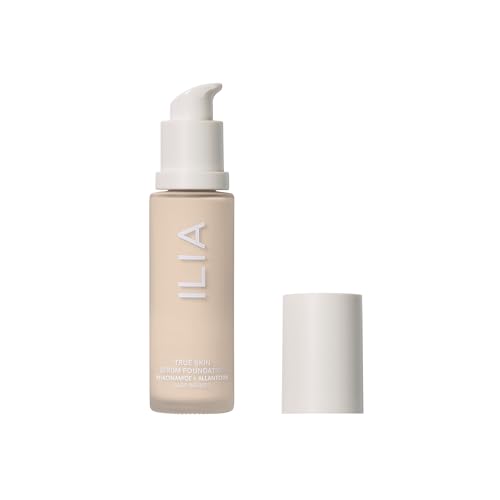
ILIA True Skin Serum Foundation
A serum-style liquid balances a soft texture with actual complexion coverage.
Some shoppers want the way a base feels to matter as much as its coverage.
True Skin Serum sits in that category, aiming for a natural medium finish instead of a visibly powdery mask.
Bottom line: Best for someone prioritizing a serum-inspired application feel; it will not give the most opaque finish here.
- ✅ Natural-looking medium base
- ✅ Serum-style formulation preference
- ❌ Not the answer for immediate full coverage
- ❌ Formula updates complicate casual SKU substitutions
🧪 Lash Lab Notes — Engr. Nusrat (Engineer & Beauty Enthusiast)
Texture alone cannot tell you how a base will behave all day, but it can tell you what kind of routine it suits. Keep an eye on the exact packaging and shade reference when comparing an older product page with the newer range.
- 💡 Editor’s Note: We picked it for a clear sensory use case, not a treatment promise. Cosmetic foundation should not be judged as though it replaces your skincare routine.
For the exact recorded True Skin variant, see ILIA True Skin Serum.
Reader Recommendation: Try it if you like natural coverage and serum-style textures.
Our last pick returns to staying power in a more accessible bracket.
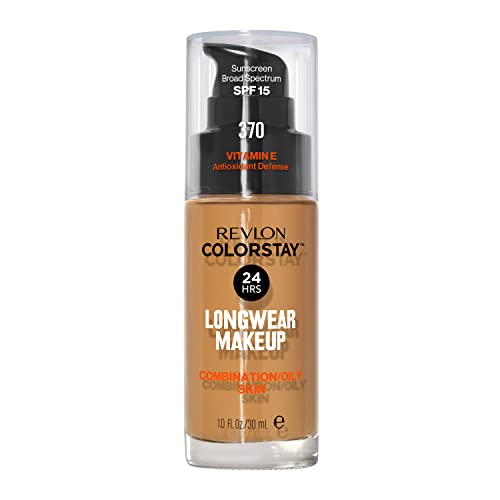
Revlon ColorStay Longwear Foundation
A combination/oily-skin label makes this an intentional wear-focused budget alternative.
When you have an oily T-zone and other areas that behave differently, the finish that works everywhere may be elusive.
Revlon ColorStay is positioned specifically for combination and oily skin and gives you a lower-priced longwear route.
Bottom line: A good directional fit for shine-prone wear needs; take care not to overload drier areas.
- ✅ Formula line explicitly targets combination/oily skin
- ✅ Longwear-oriented drugstore positioning
- ❌ Application may need adjustment across mixed skin zones
- ❌ SPF 15 on the bottle is not a replacement sunscreen plan
🧪 Lash Lab Notes — Zayba (A-Level Student & Beauty Enthusiast)
Combination skin makes an even application amount a poor default. Build carefully around the center of the face, then use less on areas where makeup commonly looks dry.
- 💡 Editor’s Note: The mixed-zone use case distinguishes this pick from the pricier Double Wear. We would compare how both settle, not treat longer-wear wording as a guaranteed hour count.
To check the named ColorStay variant, go to Revlon ColorStay.
Reader Recommendation: Pick it for an affordable, matte-leaning base on combination or oily skin.
Now, choose from these trade-offs without getting lost in the shade names.
How to Choose the Right Foundation
Start with finish and coverage. Then narrow the choices. A natural finish keeps some real-skin variation visible; matte limits shine; dewy reflects more light.
Coverage is a separate dial: you can favor a light layer, buildable medium, or more concentrated pigment regardless of whether the final look is matte or luminous.
Next, decide what your skin actually does during a typical day. Tight-feeling, flaky-looking areas may be more comfortable with a fluid, light-handed approach, while an oily T-zone may point toward less reflective makeup.
No label is a perfect shortcut for what your own skin will tolerate.
Dry-looking areas may make a heavy powder finish less comfortable. The dry-skin guide compares finishes and preparation needs in more depth.
When shine shows up quickly across the nose or forehead, do not assume the solution is simply using more powder; begin with a suitable finish and then adjust application.
A shiny T-zone may need different priorities from dry cheeks. The oily-skin roundup narrows the products by that particular challenge.
Shade? That is a separate decision. Pick depth first and undertone second, and compare the settled product along your jaw against the neck in daylight.
An exact shade number in a linked listing is inventory identity, not a claim that it is your shade.
📌 If the shade matches but you’re choosing between sheer, medium, and full, use the foundation coverage guide to compare what each level can visibly conceal.
Acne-prone skin also deserves attention to labeling and removal habits. The American Academy of Dermatology advises choosing products marked oil-free or non-comedogenic and removing makeup gently; these labels help guide selection, but they cannot promise how each individual will react.
Treat any foundation SPF number as an extra feature, not a complete sunscreen routine.
Makeup normally goes on in an amount chosen for appearance, which may not equal the tested application amount for reliable sun protection.
How to Make Foundation Look More Natural
The quickest route to visible buildup is to use the amount needed for full coverage everywhere when only a few areas need it.
Prepare your skin with the care products you normally tolerate, then apply a small amount of foundation to the center of the face and blend outward. Add another thin layer only where the first does not give enough coverage.
Use a brush for more deliberate placement, a damp sponge to soften edges, or fingers when a formula and your comfort allow.
The amount and technique matter more than a universal rule that one tool is always better.
The same liquid can change appearance with its application tool. The tool comparison helps you choose the level of coverage and blending control you prefer.
Allow your shade test to dry and settle before deciding it is wrong.
Pigments and the appearance of finish can shift after application, especially when the product is viewed under different lighting.
A base that darkens after application can upset an otherwise good shade match. The oxidation explainer separates this issue from choosing the wrong starting tone.
Compare the finish at the jaw and around the nose instead of judging only the smoothest part of a cheek.
A little uncovered skin can be the difference between natural-looking makeup and a flat uniform layer.
Common Foundation Mistakes to Avoid
Buying a shade directly from a filtered photograph is tempting, but an on-screen color is not a reliable substitute for an undertone check.
A product may look different when wet than after it dries, and formulas with almost identical family names can be different generations altogether.
One common mistake is making every patch of skin carry the same amount of foundation.
Heavy layers over dry texture can look cakey even if the formula is popular, while too little blending along the jaw makes a well-matched color more noticeable than it should be.
Patchy coverage is not always proof that you bought the wrong formula. The troubleshooting guide shows which application and prep factors to check first.
And watch for words like gentle or skin-friendly. Neither guarantees personal compatibility.
If you are sensitive to ingredients or your skin regularly reacts to cosmetics, consider the actual formula and how you cleanse it off, not only marketing adjectives.
Comfort and skin response may matter more than dramatic coverage. The sensitive-skin guide focuses on choices and precautions specific to that concern.
Finally, be skeptical of a precise manufacturer wear-hour number as a promise for your climate, skin, or routine.
Reapply or touch up as needed; no single list can replace your experience with a suitable shade.
Foundation Questions Answered
A few practical questions are worth answering before you make the final choice. The deeper format and skin-concern decisions each deserve their own guide.
❓ What foundation type looks most natural?
A thin layer of a well-matched natural-finish liquid is an easy starting point for many people.
Powder or serum-style formulas can also look natural when applied with a light hand.
❓ Should I choose full coverage or buildable medium coverage?
Choose full coverage when you really want stronger tone evening across a larger area.
Buildable medium is often more adaptable because it lets your skin show through where you prefer.
❓ How can I find foundations with fuller coverage?
Look for the coverage level in a verified product description and ask whether you need it everywhere or only in selected areas.
The dedicated comparison below explores full-coverage options further.
If you want more evenness without adding multiple layers, coverage strength becomes the main question. The full-coverage roundup lets you compare options built for that goal.
❓ Does mature skin need a special foundation?
Age alone does not decide your shade or preferred finish. Skin texture, dryness, coverage preference, and everyday comfort are more useful starting points than an age-based rule.
Changing skin texture can shift how a familiar base looks by afternoon. The mature-skin guide compares application-friendly formulas without treating age as a single skin type.
❓ Is matte foundation always better for oily skin?
Not always. A matte base can reduce visible shine, but comfort and prep still matter, particularly when parts of your face are drier.
Matte is a finish preference, not automatically the best choice for every oily face. The matte-focused comparison shows which textures and coverage levels may fit your priorities.
❓ Can I make a dewy formula look less shiny?
You can use a lighter layer and choose where to apply powder, but a true matte formula may be a simpler fit if you strongly dislike reflected shine.
❓ Do foundations with SPF replace daily sunscreen?
No. A makeup product labeled SPF 15 is not a reliable replacement for applying a separate sunscreen in the recommended amount.
Final Thoughts: Your Best Foundation Depends on the Finish
The best foundation is the one that feels comfortable on our skin. Rankings alone cannot decide that.
Choose the finish and coverage first; then check the shade, the exact formula version, and your usual application habits. That simple sequence beats a universal winner claim.
If your favorite everyday look is more luminous than matte, you can compare dewy formulas on their own terms instead of treating them as alternatives that need to behave like powder.
A luminous base can look fresh without needing to resemble a matte formula. The dewy foundation roundup helps you compare those glow-focused options on their own terms.
Remember the opening trade-off: a flawless-looking foundation on another face is just a starting point for finding your own fit.
Last update on 2026-11-20 / Affiliate links / Images from Amazon Product Advertising API