⚡ TL;DR: best mascara for contact lens wearers
What matters first? A credible contact-lens suitability or eye-testing signal. Then we match the formula to the problem: flakes, hard removal, tears, or more length.
Tubing and washable formulas can make removal simpler. Waterproof mascara makes more sense when water resistance matters. None of those labels can guarantee comfortable wear for every pair of eyes.
Top Picks
- 🏆 Best Overall — Clinique High Impact — Balanced everyday wear
- 🥈 1st Runner-up — tarte tartelette XL — Easier tubing removal
- 🥉 2nd Runner-up — Maybelline Great Lash — Budget-friendly washable pick
A tiny flake feels much bigger behind a contact lens. Rude, honestly. Our guide to the best mascara for contact lens wearers stays focused on that friction: formula debris, removal effort, testing claims, and the lash performance we still want.
What stays outside this roundup? Broad sensitive-eye shopping and post-surgery advice. Our goal is narrower: contact-lens-friendly wear without pretending a label can predict individual tolerance.
✨ Inside This Mascara Guide
🌸 Psst…
Some links in this post are affiliate links. If you shop through them, we may earn a small commission at no extra cost to you — like a little coffee while we keep testing beauty favorites. ☕💄
Quick Comparison: Best Mascara for Contact Lens Wearers
Which column should we check first? The one that matches our biggest daily hassle. Every pick clears a contact-lens-focused screening bar, but each solves a different makeup problem.
Then we can read the full review for the tradeoff.
| Product | Best For | Formula / Removal | Contact-Lens Suitability Signal | Main Tradeoff |
|---|---|---|---|---|
| Clinique High Impact | Balanced everyday wear | Washable / straightforward removal | Brand states contact-lens suitability; ophthalmologist and allergy tested | Mixed smudge or clump feedback matters if you build several coats |
| tarte tartelette XL | Easier removal | Tubing / warm water or cleanser | Ophthalmologist and dermatologist tested; brand states contact-lens suitability | Not waterproof if tears or humidity are your main concern |
| Maybelline Great Lash | Budget | Washable / easy removal | Ophthalmologist and hypoallergenic tested; suitable for contact lens wearers | Mixed flake or clump feedback matters if you prefer multiple coats |
| Maybelline Sky High | Length and separation | Washable formula / soap-and-water removal | Brand sensitive-eye guidance supports contact-lens wear | Water-resistance details conflict, so skip it when waterproof wear is essential |
| tarte Maneater Waterproof | Tears and humidity | Waterproof / more deliberate removal | Ophthalmologist and dermatologist tested; brand states contact-lens suitability | Some users report transfer or flakes in heat or steam |
| Maybelline Lash Sensational | Full-fan volume | Washable / easy removal | Ophthalmologist tested; contact-lens-safe claim | Less dependable around tearing or humidity |
Best Mascara for Contact Lens Wearers
Do we really need six versions of a “gentle mascara”? No. These picks cover six different contact-wearer priorities.
The useful question is simpler. What creates the most friction: daily wear, removal, budget, length, water exposure, or volume?
Clinique High Impact Mascara
Best Overall
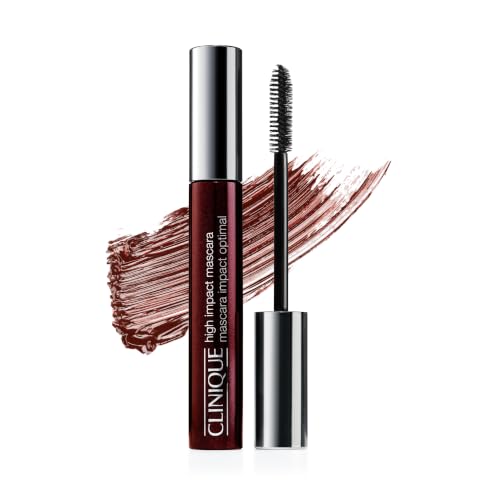
Want a familiar mascara without a specialty format? Clinique High Impact gives us a fragrance-free everyday option. It balances length, volume, and straightforward removal.
Why start here? It is a conventional mascara, not tubing or waterproof. Clinique says the line is suitable for contact lens wearers. The brand also states it is ophthalmologist tested, allergy tested, and fragrance free.
The Black Honey variant is not water resistant. Buyer feedback is mixed, too. Some praise smooth application and easy washing. Others mention clumping, under-eye smudging, or mixed eye comfort.
Bottom line: balanced everyday pick for a familiar mascara format with strong suitability signals. Personal comfort still gets the final say.
- ✅ Gives us both length and volume without a specialty lash look.
- ✅ Fragrance-free positioning removes one common cosmetic irritant from the formula profile.
- ✅ Easy removal shows up often in buyer feedback.
- ❌ Smudge resistance gets mixed feedback, so very watery eyes may need another format.
- ❌ Clumping also gets mixed comments, especially with several heavy coats.

🧪 Lash Lab Notes — Dr. Rabeya (Dentist & Beauty Enthusiast)
I like the broad testing and contact-lens suitability signals as an everyday starting point. I still keep the simple comfort check in mind, because the formula has to feel right around our own lenses during a normal day.
- 💡 Editor’s Note: The balance matters more to us than one flashy claim. This gives us familiar definition without automatically moving to waterproof wear. But the mixed smudge feedback keeps our expectations practical.
Want a quick reality check from buyers? See what current buyers say about Clinique High Impact before we decide.
Best for a classic everyday mascara when we want an uncomplicated performance profile.
Care tip: build from roots to tips only as needed. Then remove the formula fully at night.
And if removal is the real annoyance? The tubing pick goes in a different direction.
tarte tartelette XL Tubing Mascara
Best for Easy Removal
Does taking mascara off feel like the hardest part? This tubing formula puts low-smudge wear and gentler-feeling removal near the top of the list.
The format is the main attraction. It uses tubing technology and a 360-degree lash-extension comb. We still get buildable length, plus a formula designed to resist smudging and flaking.
It is not waterproof. That is useful to know, not a failure. One documented wearer with contacts and sensitive eyes reported comfortable wear and easy removal.
There is a catch. Another review pattern says extra layers can get clumpy, especially as the tube gets older.
Bottom line: best when removal is the friction point because the tubing format is designed to release more easily. It is not the pick for heavy water exposure.

- ✅ Tubing formula can come away with warm water or an ordinary cleanser.
- ✅ Some contact-lens-wearing buyers describe comfortable wear with low flaking.
- ✅ Buildable length gives definition without requiring a waterproof formula.
- ❌ Heavy crying, swimming, or intense sweating can reveal its non-waterproof limit.
- ❌ Several layers may clump, especially as the product gets older.
- ❌ The price sits above a typical drugstore mascara tier.
🧪 Lash Lab Notes — Dr. Sazia (Medicine Specialist & Beauty Enthusiast)
When flakes or rubbing during removal are the daily problem, I see tubing as a practical direction to consider. I treat that as a comfort-oriented choice, not evidence that tubing mascara is medically safer for every contact wearer.
- 💡 Editor’s Note: We would look here first when removal feels harder than application. That easy-removal story is genuinely different from a waterproof pick. So this earns its own role instead of becoming another sensitive-eye option.
Clumping been an issue before? We would keep the coats controlled.
Before choosing the tubing route, compare what real buyers say about tarte tartelette XL.
Best for easier removal with natural-looking, buildable length.
Care tip: use warm water and gentle pressure for removal. Avoid pumping the wand in the tube.
Tubing mascara has its own strengths and tradeoffs. Our dedicated review goes deeper into this exact line and its wear profile.
Price matters more than tubing technology? The next pick keeps things simple and washable.
Maybelline Great Lash Washable Mascara
Best Budget
Can a budget mascara still clear the important screen? This one does. Great Lash stays washable without moving into a premium price tier.
The Blackest Black formula is washable. It is also ophthalmologist tested, hypoallergenic tested, and suitable for contact lens wearers.
The straight lash-building brush keeps things familiar. The formula is not water resistant. Buyer feedback around clumping and flaking is mixed, so the famous name does not erase the tradeoff.
Bottom line: strong budget starting point for simple washable wear. It fits best when easy removal matters more than water resistance.

- ✅ Washable formula is made for straightforward removal.
- ✅ Contact-lens suitability and ophthalmologist-testing signals match our core screen.
- ✅ The straight brush keeps daily application familiar and quick.
- ❌ Mixed flaking feedback matters when a loose particle can bother a lens.
- ❌ Some buyers see clumping, particularly with heavier application.
- ❌ Frequent tears or humidity may make the non-water-resistant formula a poor fit.
🧪 Lash Lab Notes — Zayba (A-Level Student & Beauty Enthusiast)
For me, budget value only works when the basics around contacts still hold up. I would keep the coat light and do a quick personal comfort check, especially because the flaking feedback is mixed.
- 💡 Editor’s Note: We would choose this for simplicity, not a flawless all-day promise. The washable format and low-cost positioning are the real wins. If flaking is already the main complaint, the tubing pick above is more targeted.
Want to check the budget tradeoff first? Check what current buyers say about Maybelline Great Lash before making it the budget pick.
Best for a simple, budget-friendly routine where washable removal matters most.
Care tip: use one controlled coat from roots to tips. Remove it fully instead of layering over old product.
Ready to trade budget simplicity for more length? Sky High uses a very different brush feel.
Maybelline Lash Sensational Sky High Mascara
Best for Length & Separation
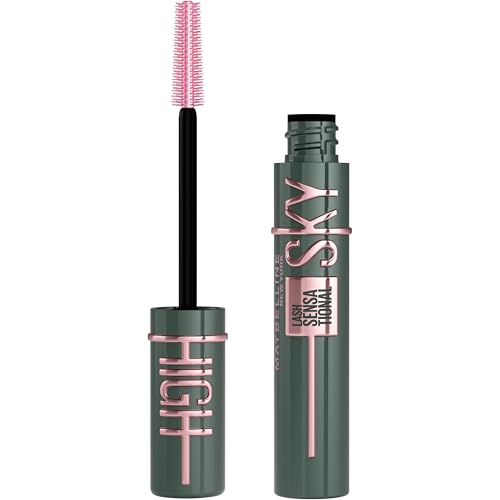
Want more reach through the lashes without defaulting to waterproof mascara? Sky High is our length-focused option.
It is a washable formula built around length and volume. Buyer feedback also describes long, full-looking lashes. Soap-and-water removal gets mentioned too, although clumping and flaking comments are mixed.
Now, the gap. The water-resistance details do not line up. The formula is sold as washable, while another product detail labels it waterproof.
So we treat it as washable. We do not rely on it for waterproof performance.
Bottom line: best for length-focused definition when that is the main goal. The product details still carry a clear water-resistance conflict.
- ✅ Lengthening shows up consistently as a strength in buyer feedback.
- ✅ Washable formula and buyer-reported soap-and-water removal fit a simpler night routine.
- ✅ We can get fullness along with length.
- ❌ Mixed flake and clump feedback makes this less confident when loose flakes are already the main contact-lens complaint.
- ❌ Conflicting water-resistance details make it a poor choice for dependable waterproof performance.
🧪 Lash Lab Notes — Engr. Nusrat (Engineer & Beauty Enthusiast)
When product details conflict, I would rather keep the uncertainty than force a cleaner claim. I focus on the length performance and washable formula here, not an unconfirmed water-resistance promise.
- 💡 Editor’s Note: Precision matters more than making the table look tidy here. We still like Sky High for a length-first role. But we would not sell it as waterproof from a conflicting detail.
Need actual waterproof wear? The next product has a clearer job.
Before choosing it for length, see what verified buyers say about Maybelline Sky High.
Best for visible length with a washable everyday formula.
Care tip: keep the layers controlled. Follow the washable product directions instead of relying on the conflicting water-resistance detail.
What if tears and humidity are the real problem? Then stronger water resistance makes more sense.
tarte Maneater Waterproof Mascara
Best Waterproof
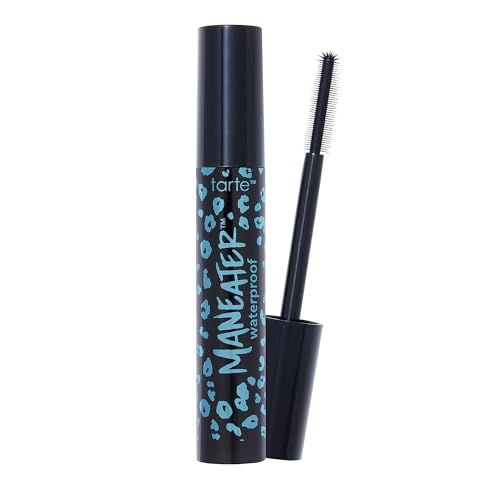
Need more resistance to tears, humidity, or oily-skin transfer? Maneater is the true waterproof option in this group.
Tarte explicitly markets it as waterproof. The brand also says it is ophthalmologist and dermatologist tested, and safe for contact lens wearers.
The molded brush has more than 500 bristles. The formula is positioned for length, volume, curl, and long wear.
But waterproof does not mean bulletproof. Review patterns are mostly positive for water resistance and clean separation. Some people still report smudging in hot or steamy conditions, flaking, or a tube that dries before it is finished.
Bottom line: choose it for water resistance when tears or humidity are the problem. Waterproof mascara is not automatically the gentlest choice for contacts.
- ✅ Clear waterproof positioning makes this stronger when water resistance is the actual requirement.
- ✅ Many buyers report strong water resistance with minimal raccoon-eye fallout.
- ✅ The molded brush supports separated, feathered-looking length.
- ❌ Hot, steamy conditions can still cause transfer for some wearers.
- ❌ Some buyers report flaking or spotting in watery or steamy conditions.
- ❌ The tube may dry before it is empty for some users.
🧪 Lash Lab Notes — Fauzia (University Student & Beauty Enthusiast)
I think waterproof wear makes the most sense when tears, humidity, or oily-skin transfer are actually part of the day. I see it as a performance solution, not proof that removal will feel easier or every contact wearer will find it more comfortable.
- 💡 Editor’s Note: We would not choose waterproof simply because contacts are involved. We would choose it because water exposure is involved. That small distinction keeps the recommendation useful instead of turning one formula into a universal rule.
Want to check the real-world wear first? Read what real buyers say about tarte Maneater Waterproof before relying on it for waterproof wear.
Best for genuine waterproof wear when effortless removal matters less.
Care tip: avoid pumping the wand. Consider the smaller format if finishing mascara before it dries is often difficult.
Maneater belongs to a wider tarte mascara lineup with very different formulas. Comparing them helps when waterproof wear fixes one problem but creates another at removal.
For our last pick, we return to washable mascara. This time, fuller fan-shaped volume comes first.
Maybelline Lash Sensational Washable Mascara
Best for Full-Fan Volume
Want fuller-looking lashes while keeping the formula washable? This volume pick uses a curved fanning brush for that job.
The brush uses ten layers of bristles. That gives this formula a different role from length-first Sky High.
The formula supports length and volume. It washes with soap or cleanser and carries an ophthalmologist-tested, contact-lens-safe claim.
So what is the catch? Wet-eye performance. Some feedback mentions clumping with heavier coats, plus running or flaking when eyes tear.
That makes it an everyday washable volume mascara. We would not frame it as water resistant.
Bottom line: best for washable full-fan volume when visible impact matters and waterproof wear does not.

- ✅ The fanning brush reaches smaller corner lashes and builds a fuller look.
- ✅ Buyer feedback describes removal with soap, water, or cleanser.
- ✅ Length and volume come together in a washable daily-wear format.
- ❌ Tearing or humid conditions can reveal its smudge and flake weakness.
- ❌ Heavier application may clump for some users.
- ❌ Curl may not hold as firmly as with a true waterproof formula.
🧪 Lash Lab Notes — Mahmuda (Homemaker & Beauty Enthusiast)
I see a washable fanning formula as a useful middle ground when visible volume matters and easy nightly removal matters too. I would just keep watery-eye days in mind, because they may reveal the wear limits sooner than a true waterproof mascara would.
- 💡 Editor’s Note: Think “more lashes, less removal drama.” That is the appeal. We would keep the coat count reasonable because clumping and wet-eye feedback get less consistent.
For us, that makes it a stronger everyday pick than a special-event waterproof substitute.
Before choosing it for washable volume, check what current buyers say about Maybelline Lash Sensational.
Best for everyday volume with a washable night routine.
Care tip: remove with soap, water, or cleanser. Avoid extra coats if clumping starts.
Maybelline has several mascara formats for different problems. If this fanning brush appeals but the wear profile does not, the brand roundup makes the alternatives easier to compare.
Six picks down. Which product signals should carry the most weight next?
How to Choose Mascara When You Wear Contacts
Where should we start? With contact-lens compatibility, then performance. A brand statement about suitability for contact lens wearers matters here, along with ophthalmologist or allergy testing where available.
Those signals are more useful for this search than volume or price alone.
Then match the formula to the friction point. Flakes or hard removal may push us toward tubing or washable mascara. Tears or humidity give waterproof mascara a clearer job.
And labels like “hypoallergenic,” “allergy-tested,” or “fragrance-free”? They add context. They do not mean a formula is incapable of causing irritation. They also do not tell us whether a physical flake will end up where it should not.
What if mascara bothers our eyes without contacts too? Then the problem is broader than this article’s lens-specific scope. A general sensitive-eye product comparison is more useful there.
A hypoallergenic label gives us another narrower shopping route. But the same reality check still applies: it is a screening clue, not a guarantee.
The real question is whether that product family better matches the sensitivity concern we are trying to avoid.
There is a full roundup for that label-based decision. It becomes more useful once “hypoallergenic” is the main shopping criterion rather than one supporting signal.
A Safer Mascara Routine With Contacts
Does the order of contacts and makeup really matter? Yes, because it changes when a lens meets cosmetic debris or remover. A simple, consistent routine is more useful than trying to “fix” irritation after it starts.
According to the U.S. Food and Drug Administration, contact lenses should go in before cosmetics and come out before makeup removal.
The American Academy of Ophthalmology also advises removing eye makeup at night, including mascara in that routine.
Step 1:
Wash and dry our hands, then insert our contact lenses.
Step 2:
Apply eye makeup and mascara after the lenses are in.
Step 3:
Remove the lenses before we start taking eye makeup off.
Step 4:
Remove mascara gently and completely before bed.
Mascara is only one part of eye makeup around contacts. Once eyeliner, shadow, or other products join the routine, a broader setup becomes useful.
What “Ophthalmologist-Tested” and “Hypoallergenic” Really Tell You
What do these labels actually tell us? They give us useful screening information, not a personal guarantee.
“Ophthalmologist-tested” describes a testing claim. “Allergy-tested” or “hypoallergenic” points toward sensitivity screening. “Fragrance-free” removes one possible irritation source.
The important split is chemical sensitivity versus physical debris. We can tolerate a formula’s ingredients and still dislike a flake near a lens. Someone else may dislike a fragranced or otherwise irritating formula even when flaking is minimal.
So one badge cannot rank the whole list. We weigh the suitability signal with formula format, removal burden, flake feedback, and the actual lash result.
Mascara Hygiene and When to Stop
What matters more than squeezing extra life from a tube? Eye and lens hygiene. Mascara sits close to a medical device on the eye, so the routine deserves extra care.
Never add saliva or water to a drying tube just to make it last longer.
The FDA cosmetics safety guidance advises against adding water or saliva to eye cosmetics. It also recommends throwing away eye makeup after an eye infection.
Redness, pain, discharge, light sensitivity, or vision changes are not cues for another experimental coat. Remove the lenses and stop using the eye product. Get qualified eye-care advice if symptoms are concerning or persistent.
The FDA contact lens safety guidance reinforces the need to take contact-lens problems seriously. They are more than a cosmetic inconvenience.
One rule matters most: product choice cannot replace lens hygiene. A well-chosen mascara can reduce avoidable friction. Lens care and eye symptoms still carry the higher priority.
Contact-Lens Mascara Questions, Answered
Still have a few practical questions? These are the ones that often remain after the formula choice is clear. We keep the answers narrow so this roundup does not turn into a general eye-health guide.
❓ Can contact lens wearers use mascara every day?
Many contact lens wearers use mascara. Major brands also market some formulas as suitable for contact lens wearers. Daily use still depends on clean lens habits, complete makeup removal, personal comfort, and stopping if the eyes become irritated.
❓ Is waterproof mascara better for contact lens wearers?
Not automatically. Waterproof mascara fits better when tears, humidity, or water resistance are the real problem. Tubing or washable formulas may suit us more when easier removal and less rubbing matter most.
❓ Should I put contacts in before or after eye makeup?
Put contacts in before applying cosmetics. Then take the lenses out before removing eye makeup. That sequence follows the FDA guidance cited above.
❓ What about eyeliner when I wear contact lenses?
The same big-picture issues still matter: debris, clean application, individual tolerance, and careful removal. But eyeliner has separate formula and placement questions. A dedicated guide keeps those choices apart from mascara performance.
Final Thoughts: Match the Formula to the Friction Point
So which formula wins? The one that solves the part of mascara wear that bothers us most.
Clinique High Impact is our balanced everyday option. tarte tartelette XL makes the strongest easy-removal case. Maybelline Great Lash keeps the budget simple, while Maybelline Sky High puts length first.
For tougher conditions, tarte Maneater handles waterproof duty. Maybelline Lash Sensational brings washable volume.
That takes us back to the opening problem. Beautiful lashes do not help much if the formula makes contacts miserable. Match the format to the friction point, keep the routine clean, and let eye comfort outrank the mascara label when they disagree.
Last update on 2026-10-10 / Affiliate links / Images from Amazon Product Advertising API