
⚡ TL;DR: skin tint for dry skin
Choose a sheer, comfortable formula that glides over moisturized skin instead of trying to hide flakes with extra pigment. Look for humectants or skin-softening ingredients, apply a thin layer, and remember that a radiant finish is not the same thing as treating dryness.
Top Picks
- 🏆 Best Overall — Hourglass Veil Skin Tint — Dewy comfort for dry patches
- 🥈 1st Runner-up — ILIA Super Serum Skin Tint — Mineral SPF with light coverage
- 🥉 2nd Runner-up — Milk Hydro Grip Gel Skin Tint — Lightweight, buildable gel texture
Finding the right skin tint for dry skin is often less about hiding a blemish and more about making sure color does not settle around a rough patch. Thin makeup can look beautifully natural, yet a visible flake can still catch pigment. The best starting point is a well-moisturized surface and a formula whose texture suits how you like your makeup to feel.
Here we’re sticking with sheer and lightly buildable tints, not ranking heavier, fuller-coverage foundations. Each pick has its own purpose. We haven’t claimed personal wear tests for any of them.
✨ Inside This Skin Tint Guide
🌸 Psst… A Little Beauty Note!
Some links in this post are affiliate links. If you spot something you love and shop through our links, we may earn a small commission—at no extra cost to you. Our picks are based on thoughtful research and, where mentioned, hands-on experience. Thanks for supporting Dappered Chic! 💕 Read our Affiliate Disclosure
Quick Comparison: Best Skin Tint for Dry Skin
Dry skin doesn’t come with just one formula preference. Before picking a shade, compare how each feels and whether it lists SPF.
| Skin tint | Best for | Formula and finish | Keep in mind |
|---|---|---|---|
| Hourglass Veil Skin Tint | Dewy dry-skin comfort | Sheer liquid, dewy | No SPF |
| ILIA Super Serum Skin Tint | A mineral-SPF option | Lightweight serum tint, dewy | Thin makeup application is not enough sunscreen |
| Milk Hydro Grip Gel Skin Tint | Fans of a gel texture | Light, buildable gel, natural finish | Prep very dry patches first |
| Summer Fridays Sheer Skin Tint | Barely-there everyday color | Sheer liquid with emollients | Coverage stays intentionally light |
What Makes a Skin Tint Comfortable on Dry Skin?
A skin tint is a light veil of pigment, not a shortcut to erasing texture. Sheer coverage can soften uneven color, but it cannot make raised flakes or rough patches disappear. Applying more product often adds visible pigment precisely where you would rather see less.
The difference between sheer skin tint and foundation is worth understanding before you commit to a formula. A focused comparison explains what changes when you move between those coverage categories.
Humectants such as glycerin and hyaluronic acid help formulas attract water, while emollients such as squalane can help a product feel smoother across the skin.
These are useful formulation clues, not promises that a tinted cosmetic will solve ongoing dryness. A dewy finish describes how skin looks in the light; it does not tell you whether your skin has enough moisture underneath.
We can make this choice with two quick questions. First, does the formula sound comfortable on skin that often feels tight or flaky?
Next, will the sheer finish keep texture from taking center stage? That is why a hydrating gel, an emollient-rich sheer tint, and a dewy liquid can all make sense for different people.
For persistent flakes, it is reasonable to improve your skin care before reaching for another layer of makeup. A tint can even out color, but it is not a treatment for painful, cracked, or inflamed skin.
Different parts of our faces can need different treatment. A light layer across the cheeks and a smaller amount around the nose can look more even than using the same amount everywhere.
Best Skin Tints for Dry Skin
These picks aren’t interchangeable. Each skin tint suits a different routine. The shade and pack shown by a retailer should be checked carefully, because a formula recommendation is not a recommendation to choose the sample shade blindly.
HOURGLASS Veil Hydrating Skin Tint
Best Overall for Flaky Dry Skin
Want a soft, unpowdered look? A sheer, dewy liquid can fit that everyday goal.
Dry patches make many complexion products feel like a compromise. This liquid focuses on a sheer, luminous result, with a formula that Hourglass specifically describes for dry and dehydrated skin. Its hyaluronic acid, plant squalane, and meadowfoam oil are useful clues to the texture and moisture-focused positioning.
This is for gently evening color, rather than layering on a whole new mask of coverage. Start with the smallest amount that evens your tone, then check the areas around your mouth and nose before deciding whether they really need another pass.
Bottom line: Best for a dewy, sheer finish if you dislike makeup that looks heavy over dry texture; it is not the choice for strong coverage or built-in sun protection.
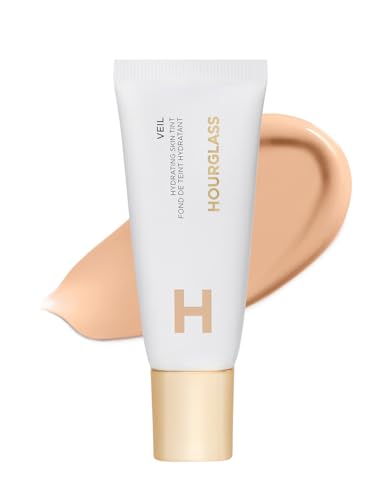
- ✅ Sheer, dewy liquid finish suits a low-coverage preference.
- ✅ Moisture-focused ingredients include hyaluronic acid and squalane.
- ❌ Anyone expecting spots or very uneven color to disappear completely.
- ❌ Anyone who needs their tint itself to contain SPF.
🧪 Lash Lab Notes — Dr. Rabeya (Dentist & Beauty Enthusiast)
Over a flaky cheek, pat a small amount on top of moisturizer instead of repeatedly rubbing it around. That approach is less likely to disturb a sheer-looking layer, even though no individual wear result is guaranteed.
- 💡 Editor’s Note: We like that the selling point here is a specific finish, not an impossible promise to cover every dry patch. Check how the shade looks against your neck in daylight before buying. If coverage is your top priority, the sheerness may be the deciding reason to skip it.
See current buyer impressions and shade information for Hourglass Veil Skin Tint before choosing your bottle.
Recommended for dry-skin makeup wearers who prefer a soft, minimal-coverage glow.
Prefer a sheer tint that also lists mineral SPF? The next formula serves that preference.
ILIA Super Serum Skin Tint SPF 40
Best for a Mineral SPF Option
Here’s a serum-like way to wear sheer color with labeled mineral sun protection.
Some dry-skin shoppers want less makeup, not fewer daily protection steps. This tint brings hyaluronic acid and plant-derived squalane into a lightweight complexion formula, with zinc oxide as its mineral UV-filter ingredient. It can be appealing if you enjoy a dewy, skin-like finish and a sunscreen-containing complexion product.
The important distinction is how much product you actually apply. A couple of cosmetic drops chosen for a barely-there look may be far less than the quantity used to establish the label’s SPF level, so do not assume your finished makeup alone provides dependable protection.
Bottom line: A smart SPF-formula alternative for readers who prefer a skin-serum feel, provided ordinary sun protection is handled separately and properly.

- ✅ Mineral SPF 40 is explicitly part of the product’s formulation.
- ✅ The ingredient list includes squalane and hyaluronic acid.
- ❌ Anyone who wants full coverage from one thin layer.
- ❌ Anyone hoping a few drops of tint can replace correctly applied sunscreen.
🧪 Lash Lab Notes — Dr. Sazia (Medicine Specialist & Beauty Enthusiast)
The SPF number belongs to the formula under specified application conditions. Treat a thin makeup layer as color first, and make your sunscreen plan independent of how much tint looks flattering.
- 💡 Editor’s Note: There is genuine convenience in a formula that combines complexion color and a sunscreen ingredient, but convenience can mislead if you apply too little. We would choose a matching shade for the look rather than stretch the tint into the role of an entire sun-care routine. That distinction makes this option easier to use responsibly.
Want to compare how this specific shade is represented by shoppers? Open the current ILIA Super Serum Skin Tint listing and buyer reviews.
A fit for anyone seeking sheer color alongside a mineral-SPF formulation.
A single product deserves closer scrutiny when its specific serum format and SPF label drive your choice. The dedicated ILIA review looks more closely at that named formula and its practical trade-offs.
Not a fan of a slippery-feeling serum? A gel texture offers another route.
Milk Makeup Hydro Grip Hydrating Gel Skin Tint
Best Hydrating Gel Texture
This lightweight gel adds color gradually, without promising the opacity of foundation.
The biggest appeal of this formula is its feel: a water-based gel rather than the classic emollient-heavy liquid. Milk Makeup describes it with triple hyaluronic acid and niacinamide, along with a light, natural-looking finish. It is the most obvious texture alternative for someone who finds richer formulas more noticeable on the face.
A gel is not automatically enough moisturizer for very dry skin. Smooth the skin first, apply a small amount, and add color only where needed. That approach keeps the finished result in the skin-tint category instead of pushing the formula beyond its intended coverage.
Bottom line: Best for gel-formula shoppers who want a light, gently buildable base rather than a rich, opaque complexion product.

- ✅ Distinct gel texture with light coverage.
- ✅ Includes hyaluronic acid and niacinamide in the brand formula description.
- ❌ Readers expecting a gel tint to replace their usual moisturizer.
- ❌ Those wanting full, opaque coverage with one application.

🧪 Lash Lab Notes — Fauzia (University Student & Beauty Enthusiast)
Apply a very thin first layer, then decide whether the center of the face needs more color. Buildable coverage is most useful when you can stop before dry texture becomes more visible.
- 💡 Editor’s Note: A light gel can feel appealing when you want skin tint to remain a quick everyday step. We would pay attention to how the formula sits over your current moisturizer instead of adding more and more pigment. The best result is often the layer you barely notice.
For shade choices and current feedback, browse the Milk Hydro Grip Gel Skin Tint product reviews.
Consider it for daily wear when a light, buildable gel feels more appealing.
And when barely-there color is the entire goal, the last pick stays truly sheer.
Summer Fridays Sheer Skin Tint
Best Barely-There Sheer Finish
This fragrance-free tint adds a hint of color over skin care. It doesn’t replace it.
This is an appealing direction when you want your skin to remain visible through makeup. Summer Fridays lists glycerin, hyaluronic acid, squalane, and emollient oils, and it recommends using the tint after moisturizer and SPF. That matters because the product is designed to work with your usual skin care rather than to do every job itself.
The finish is supposed to remain light, even when you add a modest second layer. Over dry patches, start with a tapped-on application and resist the urge to cover a flake with another coat. Good shade matching is still important despite the forgiving level of pigment.
Bottom line: Best for truly sheer color when your priority is a barely-there complexion look, not concealment.

- ✅ Fragrance-free formula and intentionally sheer color.
- ✅ Lists humectants and emollient ingredients.
- ❌ People seeking substantial coverage of hyperpigmentation or acne marks.
- ❌ Anyone trying to skip moisturizer and expect the tint to perform as a complete skin-care routine.
🧪 Lash Lab Notes — Mahmuda (Homemaker & Beauty Enthusiast)
Let moisturizer settle before applying the lightest useful amount. With such sheer pigment, the goal is to soften a color difference, not conceal the skin’s natural texture.
- 💡 Editor’s Note: This product rewards realistic expectations. We would use it on days when a hint of evening-out is enough, not try to turn it into a long-wearing full base. Picking the correct undertone will do more for that effortless effect than piling on another layer.
Read current shade details and buyer impressions for Summer Fridays Sheer Skin Tint before ordering.
A good match for lighter-makeup days, when we still want our skin to show.
After choosing a texture, gentle application matters more for flakes than piling on another thick coat.
How to Apply Skin Tint Without Emphasizing Dry Patches
Four small steps can make sheer color sit more evenly. Expect the application itself to take only a few minutes, plus any time your own moisturizer needs to settle.
Step 1 — Moisturize Dry Areas First
Apply a suitable moisturizer before makeup, especially where skin feels tight or looks flaky. The American Academy of Dermatology recommends moisturizing dry skin, including applying moisturizer while skin is still damp after washing.
Step 2 — Let Your Skin Care Settle
Wait until skin care no longer feels wet or slippery. Then add your tint. The aim is a comfortable surface, not one covered with so many products that makeup slides around.
Step 3 — Pat on a Thin Layer of Tint
Start around the center of your face and tap outward with clean fingers or a suitable applicator. Keep pressure gentle over rough spots instead of buffing back and forth across them.
Step 4 — Build Only Where Needed
Let the first thin layer show you where a little extra color would help. Add only a small amount to those areas; if a patch looks rougher with each pass, leave it alone and address the skin care underneath.
Shade Matching and When Sheer Tint Is Not Enough
A sheer formula can forgive small differences in color, but it cannot correct a strongly mismatched undertone. Compare a small area along the jaw in daylight and check whether the shade blends with your neck rather than just your cheek. Remember that the exact shade shown in a product link is not a universal match.
Hoping to fully conceal obvious dark spots or redness? A sheer tint may disappoint. That is a coverage decision rather than a problem with your technique.
A broader skin-tint ranking can help if texture is not your only concern. It compares options for different everyday complexion priorities, rather than focusing only on dryness.
For more opacity, a separate foundation guide is the useful next stop. It helps you judge fuller-coverage formats without asking a sheer tint to perform a different job.
Common Questions About Skin Tint for Dry Skin
Once we’ve narrowed down texture and formula, a few practical questions usually remain. These answers focus on the everyday decisions that affect dry skin most.
❓ Does a hydrating tint replace moisturizer?
No. Hydrating ingredients and a dewy finish may improve how a formula applies, but they do not guarantee enough skin care for persistently dry areas. Moisturize first when your skin needs it.
❓ Does Hourglass Veil have SPF?
Hourglass describes its Veil tint as having no SPF. Use your usual sun-protection routine rather than assuming a glowy complexion product protects against UV exposure.
❓ Can ILIA SPF 40 replace my sunscreen?
Do not assume the very thin amount of tint used for sheer coverage delivers the labeled protection. Use a properly applied broad-spectrum sunscreen as appropriate for your skin and sun exposure, and follow current product directions.
A tint’s SPF label raises a different shopping question from how comfortably it wears on dry skin. The focused guide below explains the sunscreen side of that choice.
❓ Should I use primer with a hydrating gel tint?
Not necessarily. Start with moisturizer and see whether the formula sits comfortably; add a compatible primer only if there is a specific wear or texture issue to solve. More layers are not automatically better over flakes.
Primer can become confusing when a moisturizer or sunscreen is already in your routine. A separate guide explains which of those products can reasonably fill a primer-like role.
Final Thoughts: Choose Comfort Before Coverage
When skin looks flaky, choosing a skin tint is not a contest to see how much pigment you can apply. Hourglass Veil Skin Tint favors a luminous, moisture-focused look, ILIA Super Serum Skin Tint brings a mineral-SPF formula, Milk Hydro Grip Gel Skin Tint gives you a lighter gel approach, and Summer Fridays Sheer Skin Tint stays closest to no-makeup makeup.
Keep moisturizer in the routine, keep coverage light, and choose the texture you are most likely to apply gently. A good match is the one that still looks like your skin after you stop blending.
Last update on 2026-11-18 / Affiliate links / Images from Amazon Product Advertising API