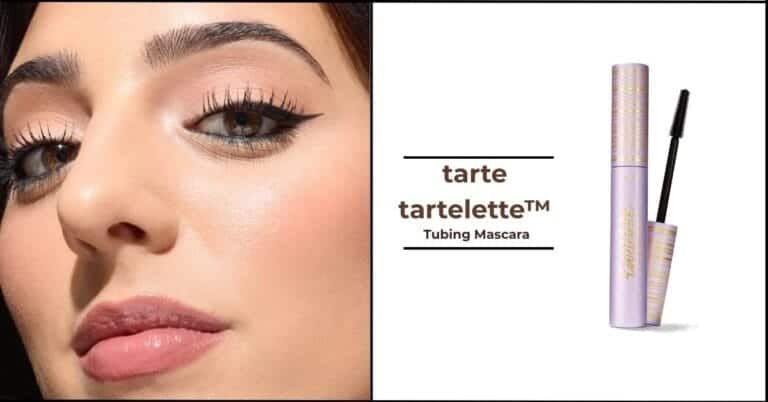
⚡ TL;DR: best mascara primer
A good primer should fix a real lash problem, not make mascara fussier. And there is no single wet-versus-dry rule. Some formulas want mascara while the base is still slightly wet; others tell us to wait. So timing cues matter when two options otherwise look similar.
Top Picks
- 🏆 Best Overall — Lancôme Cils Booster XL — balanced lift, length, volume
- 🥈 1st Runner-up — Maybelline Sky High Tinted Primer — tinted value, easy versatility
- 🥉 2nd Runner-up — Dior Diorshow Maximizer 4D — premium four-way boost
Is another lash step actually worth it? Only when it earns the space. The best mascara primer may be a white volumizing base for one routine, then a soft-black tint, tubing formula, or waterproof layer for another. We ranked the picks by visible lash goals, product architecture, timing directions, and real trade-offs.
This is a product roundup, not a full application tutorial.
✨ Inside This Mascara Guide
🌸 Psst…
Some links in this post are affiliate links. If you shop through them, we may earn a small commission at no extra cost to you — like a little coffee while we keep testing beauty favorites. ☕💄
Quick Comparison: Best Mascara Primer
Mascara primers differ most in what they add before mascara: extra body, length, lift, tint, specialty wear, or a more targeted pairing. The table below keeps the key buying differences visible without treating separate brand tests as comparable scores.
| Primer | Best For | Base Color/Type | Timing Cue | Biggest Trade-off |
|---|---|---|---|---|
| Lancôme Cils Booster XL | All-around length and fullness | White gel | Follow current directions | White base needs full mascara coverage |
| essence Lash Princess Primer | Budget length and volume | Light-green cream | Keep slightly wet before mascara | Mixed clumping and irritation feedback |
| Dior Diorshow Maximizer 4D | Premium multi-benefit priming | Clear mascara-style base | Follow current directions | Prestige positioning |
| Maybelline Sky High Tinted Primer | Tinted flexibility and solo wear | Soft-black liquid | Allow primer to dry | Not water resistant |
| Too Faced Foreplay Primer | Curl support and longer wear | Black waterproof liquid | Follow current directions | More removal effort |
| tarte tartelette Tubing Primer | Tubing-style pairing | White tubing cream | Wait a few seconds | Specialty format is less universal |
| MAC M·A·CStack Legit Lift Primer | Lift-focused priming | Cream base | Let dry a few seconds | Narrower lift-focused use case |
| Clinique Lash Building Primer | Sensitive-eye-minded shoppers | Conditioning wand primer | Follow current directions | No specialty tint or tubing format |
| Grande Cosmetics GrandePRIMER | Visible thickness and body | Black cream | Follow current directions | Mixed clumping and removal feedback |
| COVERGIRL Lash Blast Amplify | Simple drugstore priming | Neutral-white cream | Wait about 30 seconds | Less specialized format |
A white or pale base is easiest to judge by how well mascara covers it. Tinted and black primers reduce that contrast, while tubing, waterproof, and body-building formulas make more sense when wear behavior or visible thickness matters more than simple prep.
What Makes a Mascara Primer Worth the Extra Step
What makes primer worth the extra minute? A clear job. We compare each option by its main lash goal, formula or tint, applicator when that changes the experience, product-specific timing, verified eye-suitability claims, and one practical trade-off.
Timing matters because product directions do not agree. Some primers are meant to stay a little wet when mascara goes on, while others specifically tell us to wait. That makes timing part of product compatibility rather than a universal technique rule.
Color and architecture are the next fast filters. A white base makes coverage easy to see, while tinted or black primers are less stark. Tubing and other specialty formats are useful only when they match the reason we are reaching for primer in the first place.
Sensitive-eye suitability also has to be product-specific. A verified suitability claim can support a buying decision, but no cosmetic primer can promise that every person will avoid irritation. Conditioning language deserves the same restraint and should not be inflated into a lash-growth claim.
Our practical rule is simple: if mascara already gives us the length, lift, separation, and wear we want, the best primer may be no primer at all. The extra layer earns its place by solving a problem, not by making a routine look more complete.
If the extra step still feels abstract, the dedicated explainer separates what the primer can visibly change from what it cannot. That is the better next stop before buying a tube, just because primer sounds like a standard requirement.
Best Mascara Primer Picks for Different Lash Goals
So which kind fits our lashes? These ten picks cover very different reasons to prime: all-around fullness, tint, tubing, sensitive-eye priorities, visible thickness, and more. Each pick earns its place by doing one job well and making its trade-off clear.
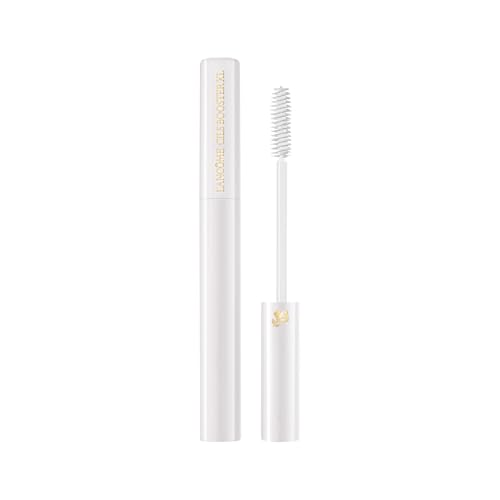
Lancôme Cils Booster XL Mascara Primer
Best Overall
A classic white gel base with the broadest all-around fit in this roundup.
The straight wand and gel format keep this close to a traditional primer routine. Verified customer themes support fuller-looking, longer-looking lashes and smoother mascara application.
Its visible white coat makes coverage easy to monitor. That same visibility means it works best under mascara, not as a casual solo layer.
Bottom line: Best all-around starting point when we want broad length-and-fullness support and a white two-step base feels practical.
- ✅ Feedback consistently supports added fullness and visible length.
- ✅ Straight wand and gel format keep the routine familiar.
- ❌ White primer needs complete mascara coverage.
- ❌ It is not water resistant.
🧪 Lash Lab Notes — Engr. Nusrat (Engineer & Beauty Enthusiast)
I find a visible white base useful because it makes even coverage easy to judge before mascara. For me, this format makes more sense in a deliberate two-step routine than a quick bare-lash look.
- 💡 Editor’s Note: For us, this pick works because it is not built around one narrow trick. It handles the core primer job without forcing a specialty format.
Check current buyer feedback for Lancôme Cils Booster XL before deciding whether the classic two-step format fits.
Best for shoppers who want one conventional primer to support several lash goals.
Its balanced profile makes a useful benchmark for the more specialized picks below.
Essence Lash Princess Mascara Primer
Best Budget
A value-first cream primer for extra length and volume without a prestige buy-in.
The soft elastomer brush and light-green cream keep the format simple. Verified feedback supports added length, a smooth base layer, and mascara staying in place.
The trade-off is consistency. Customer reports are mixed on clumping, thickness, and eye irritation, so low cost should not be the only filter.
Bottom line: Best low-cost entry point when we want basic length and volume without a bigger spend.

- ✅ Verified feedback supports noticeable length and a useful base layer.
- ✅ Value positioning makes primer easier to try.
- ❌ Mixed clumping feedback can make layering less predictable.
- ❌ Some customers report burning or irritation.
🧪 Lash Lab Notes — Zayba (A-Level Student & Beauty Enthusiast)
For me, a budget primer makes sense when the goal stays simple: getting more from mascara already on hand. I care more about clean layering than a long list of extra features.
- 💡 Editor’s Note: We would use this as an approachable test of whether the primer improves the routine. The mixed comfort feedback keeps that recommendation grounded.
See how current buyers describe Essence Lash Princess Primer, especially around clumping and comfort.
Best for value-focused routines where basic length and volume matter most.
Care tip: Apply mascara while the primer is still slightly wet, following the product guidance.
The next pick asks whether broader premium positioning is worth paying for.
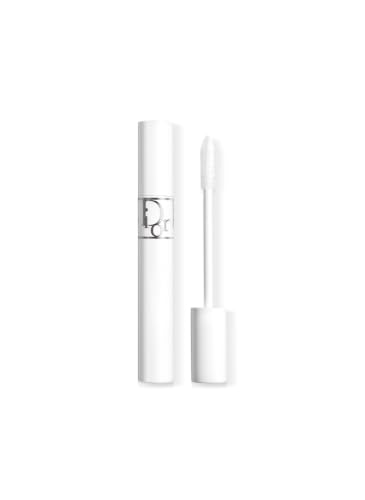
Dior Diorshow Maximizer 4D Lash Primer
Best Splurge
A premium base for shoppers who want several visible lash effects from one primer.
The product is positioned around volume, curl, length, and definition rather than one narrow fix. The verified record also identifies long-wearing, water-resistant positioning.
Its main trade-off is value, not a documented single performance flaw. Prestige makes sense only when that broad brief matters more than basic priming.
Bottom line: Best premium multi-benefit option when one base needs to target four visible lash goals.
- ✅ Broad positioning covers length, volume, curl, and definition.
- ✅ Verified record supports long-wearing, water-resistant positioning.
- ❌ Premium positioning is harder to justify for one simple goal.
- ❌ Consolidated customer-review detail is limited in the verified record.

🧪 Lash Lab Notes — Mahmuda (Homemaker & Beauty Enthusiast)
I only see the premium case when several effects matter in the same routine. If one simple boost is enough, the broader brief adds cost without solving another need.
- 💡 Editor’s Note: We would pick this for a polished one-base strategy, not bargain efficiency. The appeal is breadth, not necessity.
Review current purchasing details for Dior Diorshow Maximizer 4D if that premium multi-benefit format fits.
Best for shoppers who value a broad prestige primer more than the lowest cost.
A tinted base offers a different kind of versatility.
Maybelline Sky High Tinted Lash Primer
Best Tinted
A soft-black liquid primer that avoids the obvious white-base look and works well when worn alone.
The Flex Tower brush and washable tint make this feel closer to a light lash enhancer than a white prep coat. Verified product guidance supports lengthening, separating, volumizing, and solo wear.
That flexibility comes with limits. The formula is not water-resistant, and its directions say to let the primer dry before mascara.
Bottom line: Best for tinted flexibility when solo wear matters almost as much as the primer step itself.

- ✅ Soft-black tint is less stark than a white base.
- ✅ Product guidance supports wearing it alone.
- ❌ It is not water resistant.
- ❌ Feedback is mixed on clumping and flaking.
🧪 Lash Lab Notes — Fauzia (University Student & Beauty Enthusiast)
I like a tinted primer for a quick routine because unfinished coverage looks less obvious. Solo wear also gives the product a useful second role on low-makeup days.
- 💡 Editor’s Note: For us, the tint fixes a real visibility issue instead of acting like decoration. The dry-before-mascara direction matters too because timing differs across this category.
Check recent feedback for Maybelline Sky High Tinted Primer if soft-black versatility is the draw.
Best for natural-look routines that benefit from tint and optional solo wear.
Care tip: Let the primer dry before mascara, or wear it alone as directed.
The next option puts more emphasis on hold and wear.
Too Faced Better Than Sex Foreplay Primer
Best for Curl and Long Wear
A black, waterproof base for routines where hold matters more than easiest removal.
The liquid formula pairs waterproof positioning with a double-arch crescent brush designed to separate and coat lashes. Verified feedback also supports separation and added length under mascara.
Waterproof wear brings a predictable compromise. Customer reports are mixed on removability and thickness, and some mention dryness.
Bottom line: Best for lift-minded long wear when a black waterproof base is worth the extra removal work.

- ✅ Black base avoids the visible white-primer stage.
- ✅ Waterproof positioning suits longer-wear priorities.
- ❌ Mixed removability feedback makes cleanup less predictable.
- ❌ Some feedback mentions dryness or inconsistent thickness.
🧪 Lash Lab Notes — Engr. Nusrat (Engineer & Beauty Enthusiast)
I pay attention to the shaped brush because lift depends on how evenly the base coats and separates lashes. Waterproof wear only helps when the extra removal effort also fits the routine.
- 💡 Editor’s Note: We would reach for this when hold is the whole reason to prime. The darker base helps, but the wear-focused design is the bigger distinction.
Read current buyer experiences with Too Faced Foreplay Primer, especially if removal effort matters.
Best for straight-looking lashes or long days when waterproof priming sounds useful.
Straight lashes may also benefit from a topcoat that supports the same curl goal. The roundup below keeps that mascara decision separate from this primer ranking.
Tubing architecture takes the wear question in a different direction.
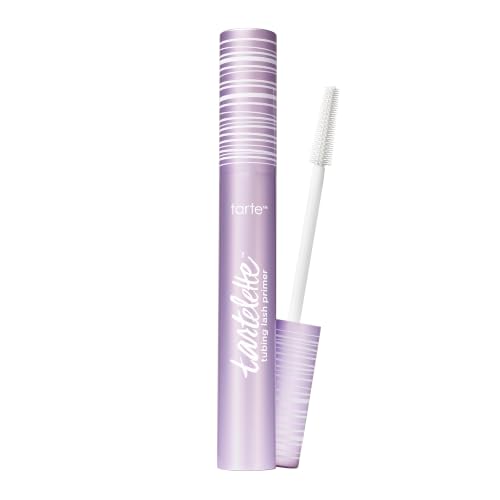
Tarte Tartelette Tubing Lash Primer
Best Tubing
A tubing-style base for shoppers who already like tube-forming mascara behavior.
This white cream base wraps lashes in a tubing-style layer before mascara. Its verified record supports volume, length, definition, and conditioning ingredients, including shea butter and panthenol.
This is a format-first choice, not a universal upgrade. Feedback is mixed on clumping, removal, flaking, and value, and the white base still needs even topcoat coverage.
Bottom line: Best for tubing-mascara fans when we want the primer layer to follow the same specialty architecture.
- ✅ Tubing positioning meaningfully separates it from conventional primer.
- ✅ Review themes support length, volume, and separation.
- ❌ White tint is less flexible than a dark base.
- ❌ Customer feedback on clumping and removal is mixed.
🧪 Lash Lab Notes — Dr. Rabeya (Dentist & Beauty Enthusiast)
I see tubing architecture as most useful when the whole routine benefits from that film style. A specialty primer should make the paired mascara routine simpler, not just add another label.
- 💡 Editor’s Note: We would treat this as a format-first buy for someone already interested in tubing behavior. It is less compelling when the only goal is generic volume.
See how shoppers describe wear for tarte tartelette Tubing Primer before pairing it with mascara.
Best for shoppers who specifically want a tubing-style base under a compatible topcoat.
Care tip: Wait a few seconds after priming, then apply mascara according to the directions.
A tubing base naturally raises the question of which tubing mascara to pair with it. The dedicated roundup below answers that adjacent product question.
The next pick shifts attention from film behavior to lift.
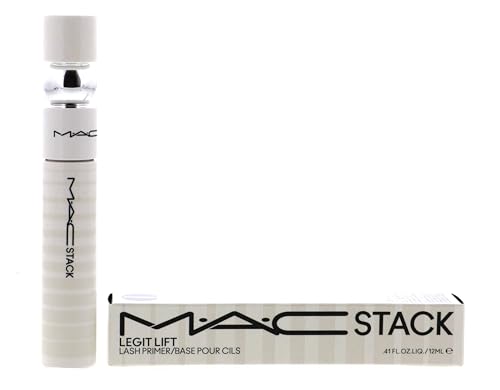
M·A· C Stack Legit Lift Lash Primer
Best Lift-Focused Brush
A cream primer for shoppers who care more about lift and separation than tint or specialty removal.
The verified product positioning centers on length, lift, and reduced smudging. Its directions say to focus a small amount near the lash base and let the primer dry for a few seconds.
The trade-off is evidence depth. The verified record does not include a consolidated customer-review summary, so we lean on documented design and claims rather than broad user consensus.
Bottom line: Best when lift is the priority and a focused cream base matters more than tint, fibers, or tubing.
- ✅ Verified positioning centers on length and lift.
- ✅ Product guidance gives a clear short dry-time cue.
- ❌ Consolidated customer-review evidence is limited.
- ❌ Specialty design matters less when lift is not the problem.
🧪 Lash Lab Notes — Engr. Nusrat (Engineer & Beauty Enthusiast)
For lift-focused priming, I want control near the roots instead of extra product everywhere. A small, deliberate coat makes more sense than chasing thickness from the base layer.
- 💡 Editor’s Note: We like how clear this product’s job is. Limited review data keeps our confidence tied to verified positioning, not sweeping performance claims.
Check the current buyer detail for M·A· C Stack Legit Lift Primer if lift is the reason for adding primer.
Best for routines where lift and separation matter more than solo wear.
Care tip: Use a small amount near the roots and allow a few seconds before mascara.
For sensitivity-minded shoppers, product-fit evidence matters more than brush novelty.
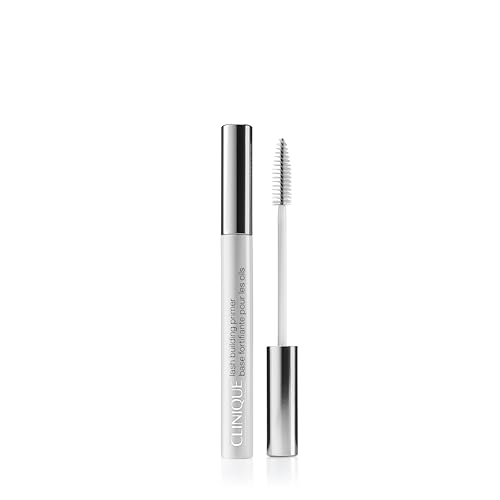
Clinique Lash Building Primer
Best Sensitive-Eye Fit
A conditioning base with the strongest verified sensitive-eye-friendly claims among these picks.
This 4.8 ml wand-style primer is positioned to condition lashes and prepare them for mascara. The verified record also documents fragrance-free, paraben-free, and phthalate-free attributes, plus customer feedback describing gentleness on sensitive eyes.
That makes it our sensitivity-focused pick, not a zero-irritation promise. It is less specialized if tint, waterproof hold, or tubing behavior matters more.
Bottom line: Best for sensitivity-conscious shopping when documented gentleness matters more than a specialty format.
- ✅ Verified feedback supports gentleness on sensitive eyes.
- ✅ Several free-from attributes are documented.
- ❌ No cosmetic can guarantee irritation-free wear for everyone.
- ❌ It lacks obvious tint, tubing, or waterproof specialization.
🧪 Lash Lab Notes — Dr. Sazia (Medicine Specialist & Beauty Enthusiast)
I treat sensitive-eye suitability as useful evidence, not a guarantee. I would favor documented fit claims and stop using any eye-area cosmetic that causes irritation.
- 💡 Editor’s Note: Clinique gets this slot because the comfort case is more explicit than a vague “gentle” impression. Individual tolerance still matters.
Look through recent feedback for Clinique Lash Building Primer if eye comfort is the main filter.
Best for sensitivity-minded shoppers who want a conventional conditioning primer.
A comfortable primer is only half of a sensitivity-focused lash routine. The mascara layered over it should respect the same constraint.
When the visible body is the bigger concern, a denser base may fit better.
Grande Cosmetics GrandePRIMER
Best for Visible Thickness
A black cream primer with a molded brush for shoppers chasing a more visible lash body.
GrandePRIMER combines thickening and lengthening positioning with a black, water-resistant cream formula. Verified feedback supports noticeably longer and thicker-looking lashes, especially on fine-looking lashes.
Texture and removal are the main catches. Customer reports are divided on clumping, removal effort, and value, so this is a targeted pick rather than a universal one.
Bottom line: Best for visible lash body when a denser-looking base matters more than light feel or easier removal.

- ✅ Feedback supports longer- and thicker-looking lashes.
- ✅ Black base avoids the stark white-primer stage.
- ❌ Clumping feedback is mixed.
- ❌ Some customers find removal difficult.
🧪 Lash Lab Notes — Engr. Nusrat (Engineer & Beauty Enthusiast)
I think body-building primer works best when distribution matters as much as quantity. A molded brush can help, while excess buildup is the obvious failure mode.
- 💡 Editor’s Note: We would choose this when the goal is making fine-looking lashes appear more substantial. It becomes less compelling when easy removal comes first.
Compare current feedback for Grande Cosmetics GrandePRIMER before accepting the cleanup trade-off.
Best for fine-looking lashes when visible body and length are the main goals.
The final pick returns to a familiar neutral-white base.
COVERGIRL Lash Blast Amplify Primer
Best Simple Drugstore Base
A neutral-white cream primer for routines that simply need a straightforward prep layer.
Lash Blast Amplify focuses on conditioning, length, and volume without a tubing, tinted, or waterproof specialty. Its directions are clear: sweep from root to tip, wait about 30 seconds, then apply mascara.
Feedback supports added length, thickness, and mascara staying power. Some users also report awkward application, dryness, clumping, or mixed value.
Bottom line: Best simple drugstore base when we want familiar priming without a specialty wear system.

- ✅ Verified feedback supports added length and thickness.
- ✅ Clear 30-second timing guidance removes guesswork.
- ❌ It is not water resistant.
- ❌ Some feedback mentions awkward application, dryness, or clumping.
🧪 Lash Lab Notes — Fauzia (University Student & Beauty Enthusiast)
I like a simple primer when it cuts decision fatigue instead of creating another specialty routine. The 30-second direction is this product’s rule, not evidence that every primer works the same way.
- 💡 Editor’s Note: We like this as the uncomplicated, familiar option. Simplicity is the value here, while the mixed application feedback argues for a light coat.
Check recent reviews for COVERGIRL Lash Blast Amplify if a simple neutral-white base is the goal.
Best for shoppers who want conventional drugstore priming without a specialty format.
Care tip: Wait about 30 seconds after priming, then apply mascara as directed.
The final choice gets easier once we reduce the category to a few buying filters.
How to Choose the Right Mascara Primer
First question: What problem are we fixing? If mascara already gives enough length, fullness, separation, and wear, another layer can mean more work with little added benefit. Primer has a clearer job when lashes look sparse, lose lift, show a visible white underlayer, or need a specialty wear format.
Base color and type are the fastest filters. White primers make the base coat easy to see but demand a complete mascara topcoat. Tinted or black primers are less stark, while tubing and other specialty formulas make sense only when their architecture solves a real need.
Next, match the product to the main lash goal. A broad classic primer makes sense when we want a little more of everything. Lift-focused or waterproof formats are more relevant when straight-looking lashes and longer wear matter, while a clearly documented sensitive-eye fit may outrank those features for someone who reacts easily.
Then follow the product directions on timing. Maybelline and COVERGIRL in this roundup direct us to let the primer dry before mascara, while other formulas use a shorter or still-slightly-wet handoff. That disagreement is why we do not treat one wait time as a universal rule.
This roundup stops at those product-specific timing cues because detailed technique is a different task. The full application guide covers how to manage the layer, avoid clumps, and handle the routine in sequence.
Choosing the right product is only the first half of avoiding a stiff or visible primer layer. The application guide below takes over where this roundup intentionally stops and explains the complete routine step by step.
Finally, decide how much wear and removal effort is acceptable. Waterproof or water-resistant positioning can help, but may make removal more demanding. Sensitive-eye claims deserve the same product-by-product treatment: documented suitability is a useful filter, never a guarantee of zero irritation.
Mascara Primer Questions Answered
Small category, big differences. The same answer rarely fits every mascara primer. These quick answers stay focused on the buying decision, while the dedicated guide handles the full application routine.
❓ Is mascara primer worth it?
Yes, when it fixes something, mascara alone is not solving. Depending on the formula, primer may add more visible length, fullness, separation, lift, or a different wear effect. If mascara already behaves the way we want, though, that extra coat may only add time and weight.
❓ Should mascara primer dry before mascara?
Not always. Product directions disagree. Some formulas tell us to wait, while others work with a shorter handoff or a still-slightly-wet layer. Dry time is a product-specific compatibility fact, not one universal mascara rule.
❓ Can you wear mascara primer alone?
Only when the product is designed to make sense that way. Maybelline Sky High Tinted Primer works here because its soft-black base can be worn alone for a more natural look. A traditional white primer is usually meant to disappear under mascara.
❓ Does mascara primer make mascara waterproof?
No, not by default. Waterproofness belongs to the specific primer and mascara products we are using. Some primers are waterproof or water-resistant; others are explicitly not water-resistant.
If the real goal is to make an existing mascara resist water better, primer is only one possible part of the routine. The dedicated guide below addresses that exact waterproofing question instead of turning this FAQ into a technique lesson.
📌 Learn how to make mascara more waterproof when the primer is not enough
❓ Is mascara primer suitable for sensitive eyes or contact lenses?
Some are positioned that way, but we still have to verify the suitability of the product by product. Clinique earns our sensitive-eye slot because the available evidence is explicit about gentleness and documented free-from attributes. Even then, no cosmetic can guarantee zero irritation for everyone.
Final Thoughts
The simplest rule is to solve your actual lash problem, not chase the fanciest tube. A classic white base suits broad priming. A tint helps when visible residue bothers us. Specialty architecture makes sense for a specific wear need, while sensitive-eye-focused options put comfort first. And if mascara already does the job? Skipping primer is a perfectly good decision.
That is the whole point of the extra step: it has to earn its place. Primer should make the finished lash look easier to reach, not hand us a second problem to solve.
If the better upgrade is the mascara itself rather than another layer underneath it, the broader roundup below is the more useful next stop. It compares topcoat options across the lash goals that this primer guide deliberately leaves outside its scope.
Last update on 2026-10-24 / Affiliate links / Images from Amazon Product Advertising API