
The best mascara for oily lids is a tubing formula in thin, fully-dried layers — it resists oil breakdown and reduces upper-lid transfer.
- 🏆 Winner: Caliray Come Hell or High Water (daily no-transfer tubing)
- 🥈 1st Runner Up: KISSME Heroine Make Volumizing Waterproof (very oily lids + strong transfer control)
- 🥉 2nd Runner Up: Estée Lauder Double Wear Zero-Smudge (balanced everyday control)
Most transfer comes from oil + film not fully setting, not just the mascara.
If you’re dealing with oily lids, you’ve probably seen this: looks fine at first, then a few hours later it shows up on your crease or brow bone.
Oily lids change how mascara behaves. Oil softens the film, blinking adds friction, and if it hasn’t fully set, pigment starts migrating upward. That’s stamping.
Not because the mascara is bad — but because formula + oil level + lash contact aren’t aligned.
This page is for you if:
- ✅ Mascara transfers onto your upper lid
- ✅ Your lids get oily quickly
- ✅ Your lashes touch your lid
This page is NOT for:
- ❌ Watery-eye smudging
- ❌ Lower-lash issues
- ❌ Flaking-first problems
- ❌ Waterproof-for-swimming use
Different problems need different solutions.
This guide is specifically about oil-driven transfer on the upper lid — not tears, swimming, or general all-day smudge claims.
The good news? This is fixable without complicating your routine.
We’ll cover:
- Formulas that hold up on oily lids
- How to choose based on the oil level
- Small tweaks to reduce upper-lid transfer through the day
Before We Dive In
This guide focuses only on oil-driven upper-lid transfer on the upper lid — not tear-based breakdown, swimming, or broad everyday smudge-proof wear.
If you want a broader everyday roundup:
✨ Inside This Mascara Guide
🌸 Psst…
Some links in this post are affiliate links. If you shop through them, we may earn a small commission at no extra cost to you — like a little coffee while we keep testing beauty favorites. ☕💄
Why Mascara Smudges on Oily Lids
Eyelids produce oil — and that’s the problem.
Many mascaras (even some waterproof ones) use films that don’t stay stable once oil builds up. Over time, oil softens the film, blinking presses lashes against the lid, and transfer starts.
It’s not just the mascara.
It’s oil + lash contact breaking the film down.
What Is “Stamping”?
Stamping is when lashes touch your upper lid and leave a visible mark.
On oily lids, it happens faster because oil softens the film, and blinking increases contact.
Again, it’s oil + contact, not just formula.
Top-Lid Transfer vs Under-Eye Smudging
These are different problems:
Top-lid transfer and under-eye smudging are not the same problem — and this guide focuses only on oil-driven upper-lid transfer.
If your issue is broader day-to-day smudging, see:
What to Look for in a Mascara If You Have Oily Lids
Tubing vs Waterproof — What Actually Works Better?
This is the real decision point.
Not all long-wear mascaras behave the same around oil.
Tubing Mascara (Best Starting Point)
Tubing mascaras wrap each lash in a flexible polymer sheath.
Why it works: polymer films resist oil, while wax-heavy formulas can soften with sebum.
Once set, the film stays more intact instead of breaking down, and it removes easily with warm water.
For most of us: Tubing = the most reliable starting point for oily lids (like Caliray Come Hell or High Water or Clinique Lash Power)
Waterproof Mascara (Strong, Not Automatically Oil-Proof)
Waterproof mascaras are built to resist water, not always oil.
They use waxes, silicones, and fast-setting agents to create a durable film. Useful when you need a stronger hold, but still not automatically the best answer for oily lids.
But on oily lids, some can still soften over time.
Key point: Waterproof ≠ oil-resistant
Some strong or hybrid waterproof formulas do perform well — just expect tougher removal.
So, What Should You Choose?
Keep it simple:
- Mild–moderate oily lids → Tubing first
- Very oily lids → Strong waterproof / hybrid
- Sensitive eyes / easier removal → Tubing first
💡 Dr. Tropa (Medicine Specialist & Beauty Enthusiast):
Wax-based films soften more around sebum. Tubing forms a more stable sheath, so it performs more consistently on oily lids.
Compare top options here:
Quick Pick Based on Oil Level
- Mild–moderate oily lids → Tubing
- Very oily lids → Waterproof/hybrid
- Oily lids + frequent upper-lid stamping → Waterproof/hybrid
Quick Comparison: Best Mascaras for Oily Lids
Before we get into picks, here’s how formulas behave under oil + blinking:
| Mascara | Formula Type | Oil Resistance | Best For |
|---|---|---|---|
| Estée Lauder Double Wear | Long-wear (non-tubing) | ⭐⭐⭐⭐☆ | Balanced daily wear |
| KISSME Heroine Volumizing Waterproof | Heavy-duty waterproof | ⭐⭐⭐⭐⭐ | Very oily lids + humidity |
| KISSME Heroine Advanced Film | Hybrid film | ⭐⭐⭐⭐☆ | Strong hold, easier removal |
| Caliray Come Hell or High Tubing | Tubing | ⭐⭐⭐⭐☆ | Daily no-transfer |
| Clinique Lash Power | Tubing | ⭐⭐⭐⭐☆ | Sensitive eyes |
| MAC Extended Play | Precision long-wear | ⭐⭐⭐☆☆ | Controlled application |
| Milani Highly Rated Lash Extensions | Tubing | ⭐⭐⭐⭐☆ | Budget tubing |
| Maybelline Lash Sensational Sky High | Waterproof (fiber) | ⭐⭐⭐⭐☆ | Drugstore staying power |
How to Read This Table: These ratings reflect oil exposure + repeated lid contact
- ⭐⭐⭐⭐⭐ → Handles very oily lids + repeated upper-lid transfer
- ⭐⭐⭐⭐☆ → Strong everyday control
- ⭐⭐⭐☆☆ → Works, but technique matters
What actually matters here:
- How fast the film sets
- How well it resists oil softening
- How stable it stays under lid contact
Our Top Picks: Best Mascara for Oily Lids
When we say best for oily lids, we mean one thing: how well it resists oil-driven upper-lid transfer.
Because honestly… if it still transfers onto the upper lid by midday, it doesn’t solve this problem.
We’re balancing:
- transfer resistance
- comfort
- removal effort
- sensitivity
What We Tested For:
Real oily-lid wear –
- oil + blinking
- curl drop → more lid contact
- stability by hour 4–6
- removal vs hold
💡 Fauzia (An Oily Lid Mascara User):
“I used to think thicker = longer lasting. On oily lids? Opposite. The ones that survived were the ones I let set properly.”
Now — the ones that actually held up ↓
Estée Lauder Double Wear Zero-Smudge Lengthening Mascara
Lightweight long-wear mascara for clean, controlled wear on oily lids
Okay, so if you have oily lids but hate heavy, stubborn formulas — this is usually where we start.
If your mascara looks perfect at first but starts smudging by midday, this fast-setting formula behaves more predictably. It doesn’t stay soft near the lash line — where oil usually starts breaking things down.
The finish is clean and separated, not dramatic. But the real win? It stays consistent even as oil builds.

- ✅ Strong upper-lid transfer resistance
- ✅ Fast-setting = less early smudging
- ✅ Easier removal than heavy waterproof
- ❌ Bold, fluffy volume
- ❌ Thick oversized brushes
- ❌ Strict budget

💡 Field Notes — Trona (Midday Oil-Check Day):
“Applied at 10 am, checked around 3… I was expecting that usual crease mark — nothing. Just slightly softer tips, but still clean.”
- ⭐ Editor’s Note: This is that balanced middle-ground. Not extreme, not fragile — and on oily lids, that’s what usually works best.
If you want to double-check real-world experiences, you can check the latest reviews here.
This one sits right between them — which is why it works so well daily.
Next up: when nothing survives your lids ↓
KISSME Heroine Make Volumizing Mascara Waterproof
Extreme-hold waterproof built for very oily lids and strong transfer control
Okay, so if your lids break down everything by midday, this is where we go.
This is the stronger-hold option for very oily lids that break down softer formulas quickly.
If your lashes lose curl and start touching your lid, this helps reduce that contact, which directly reduces transfer.
Once set, the film becomes dense and locked in. Oil doesn’t soften it easily, so pigment doesn’t migrate upward.
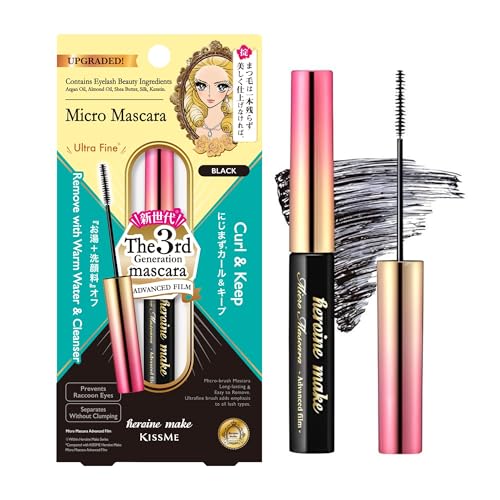
- ✅ Very strong resistance to oil-driven upper-lid transfer
- ✅ Holds curl → less lid contact
- ✅ Very low transfer once set
- ❌ Needs oil-based remover
- ❌ Feels heavier
- ❌ Thick layering
💡 Field Notes — Dr. Rabeya (Clinic + Outdoor Day):
“I had visible oil by midday, especially around the crease. Still no stamping. Removal took time — but it stayed exactly where it should.”
- ⭐ Editor’s Note: This is your extreme-case option. If your lids defeat everything — this usually doesn’t.
If you want to see how it performs across different users, you can browse the Amazon reviews here.
💡 Care Tip: Let the remover sit for a few seconds — don’t rush this one.
Next: strong hold, but easier removal ↓
KISSME Heroine Make Volume & Curl Mascara Advanced Film
Hybrid film mascara with strong hold + easier removal
This sits in that middle zone — a strong hold without fighting removal every night.
For oily lids, this balance often works best. The film holds better around oil than standard formulas, but doesn’t fully lock like heavy waterproof, so removal stays manageable.
It also holds curl → less lid contact → less transfer.
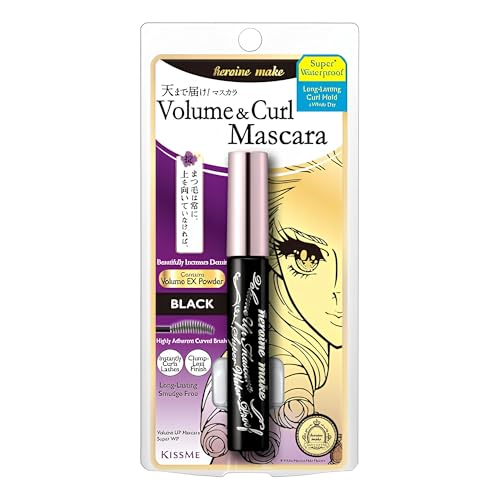
- ✅ Good oil resistance for daily wear
- ✅ Holds curl → reduces transfer
- ✅ Easier removal than waterproof
- ❌ Bold volume
- ❌ Thick layering (can clump)
- ❌ Rushed application
💡 Field Notes — Engr. Nusrat (Long Day + Commute):
“Stayed clean most of the day. The only time I noticed transfer was when I rushed the second coat.”
- ⭐ Editor’s Note: This is the controlled middle-ground pick. Strong, but forgiving.
If you want more real-user feedback, you can check the Amazon reviews here.
💡 Care Tip: Thin layers + full dry time = better hold.
Caliray Come Hell or High Water Tubing Mascara
Tubing mascara for consistent, oil-resistant daily wear
If oily lids are your main issue, tubing is usually where we start — and this is one of the most reliable.
It forms a flexible wrap that oil doesn’t easily break down. Once set, it stays intact instead of softening, which reduces transfer.
The finish is lifted and defined, not heavy, and that lighter structure stays cleaner.
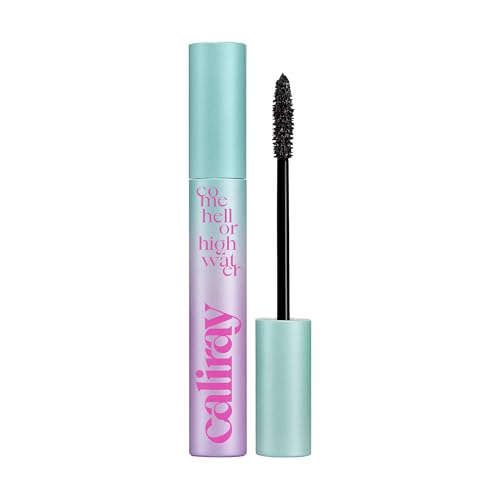
- ✅ Consistent oil resistance
- ✅ Very low transfer when set properly
- ✅ Easy warm-water removal
- ❌ One-coat dramatic volume
- ❌ Very long straight lashes
- ❌ Rushed layering
💡 Field Notes — Dr. Sazia (Shift + Recheck):
“I checked twice, expecting smudging… nothing. Only saw flaking when I layered too quickly.”
- ⭐ Editor’s Note: This is your daily default. Tubing works — if you let it set properly.
If you want to see how others are experiencing it, you can check the latest reviews here.
💡 Care Tip: Warm water + gentle pressure — let it slide off.
If you’re wondering why tubing performs better on oily lids:
Next: oily lids + sensitive eyes ↓
Clinique Lash Power Long-Wearing Tubing Mascara
Lightweight tubing mascara for oil control + sensitive eyes
If oily lids come with sensitivity or contacts, this is where things get easier.
You still get oil resistance — but without aggressive removal. The lightweight film means less lash drop → less contact → less transfer.
The finish is soft and natural — but very clean.

- ✅ Oil resistance + lightweight feel
- ✅ Lower irritation risk
- ✅ Easy removal
- ❌ Dramatic volume
- ❌ Big fluffy brushes
- ❌ Strong curl hold
💡 Field Notes — Dr. Rabeya (Clinic Wear Day):
“No irritation at all. I expected smudging because of oil — but it stayed clean.”
- ⭐ Editor’s Note: Best balance for oily lids + sensitive eyes. Comfortable and reliable.
If you want to check broader user feedback, you can see the latest reviews here.
💡 Care Tip: No rubbing — let warm water do the work.
If sensitivity is part of your concern, this will help you choose safer formulas:
Next: when the application is the issue ↓
MAC Extended Play Gigablack Lash Mascara
Slim-wand precision mascara for controlled, low-transfer application
Sometimes it’s not the formula — it’s overloading.
This fixes that. The slim wand deposits less product at the roots — where oil breaks things down first. That means a thinner, faster-setting film → less transfer.
If your roots get messy fast, this changes everything.
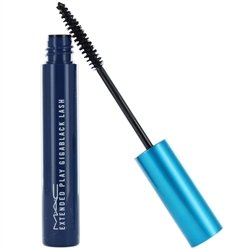
- ✅ Prevents root overload
- ✅ Faster-setting thin film
- ✅ Clean, defined finish
- ❌ Instant volume
- ❌ Large brushes
- ❌ Low-precision users
💡 Field Notes — Engr. Nusrat (Application Test):
“I didn’t change mascara — just used this wand style. Way less product at the roots, and suddenly no transfer.”
- ⭐ Editor’s Note: On oily lids, application control matters as much as formula.
If you want to see how others are using it, you can browse the Amazon reviews here.
💡 Care Tip: Always wipe excess before applying — thin layers win.
Next: a budget tubing option ↓
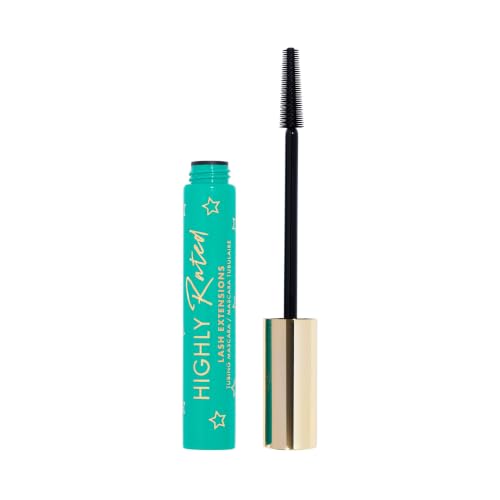
Milani Highly Rated Lash Extensions Tubing Mascara
Affordable tubing mascara with a lifted, extension-like effect
If you want tubing performance without spending much, this is a strong starting point.
Once set, oil doesn’t break it down easily — which helps keep lids clean. The finish is lifted and lengthened, not heavy — and that wears better on oily lids.
The catch? Application timing. Let it sit, and it stays stable. Rush it, and issues show up.
- ✅ Reliable oil resistance
- ✅ Lifted, extension-like finish
- ✅ Easy warm-water removal
- ❌ Rushed layering
- ❌ No patience for dry time
- ❌ Strong curl hold
💡 Field Notes — Dr. Sazia (Full-Day Wear):
“First time I rushed it — slight transfer. Next day I slowed down… completely clean by evening.”
⭐ Editor’s Note: This is the budget tubing win. Dry time is what makes it work.
If you want to see how it performs across different routines, you can browse the Amazon reviews here.
💡 Care Tip: One thin coat → let it set → then build.
Maybelline Lash Sensational Sky High Waterproof Mascara
Flexible waterproof mascara with strong length and better transfer control on oily lids
If tubing isn’t enough for your oily lids, this is one of the better waterproof-style backup options.
Waterproof helps with wear, but on oily lids, performance still depends on how thin and how well the film sets. If it stays soft, oil interferes early.
Applied lightly and fully set, this holds up well through long days.

- ✅ Better upper-lid transfer control when applied lightly
- ✅ Noticeable length quickly
- ✅ Flexible brush helps reduce overload
- ❌ Tougher removal
- ❌ Thick layering
- ❌ Rubbing during removal
💡 Field Notes — Fauzia (Very Oily Lid Test Day):
“I wore this on a really oily day — first coat was fine, second coat I rushed… that’s when I saw a bit of transfer. When I kept it light, it held up.”
- ⭐ Editor’s Note: Waterproof can work on oily lids — but only if the film fully sets and stays thin.
If you want to see how others are using it day-to-day, you can check the latest reviews here.
💡 Care Tip: Use a bi-phase remover and let it sit before wiping.
And if you want remover options that actually break down stubborn formulas:
Why “Smudge-Proof” Still Fails on Oily Lids
This is where things get confusing.
These labels aren’t the same:
- Water-resistant → handles light moisture
- Waterproof → resists water
- Smudge-proof → not a strict standard
On oily lids, the real issue is still: oil + friction
So even waterproof can transfer if:
- The film stays soft
- It’s applied too thick
- It never fully sets
Most smudging here isn’t a bad product — it’s film stability.
If your issue is broader than oily lids alone, see:
Brush Type Matters More Than You Think
On oily lids, too much product stays soft longer — and that raises transfer risk fast.
Too much product =
- Slower drying
- More oil interference
- Higher transfer risk
Quick breakdown:
- Slim brushes → thinner, controlled layers
- Fluffy brushes → heavier deposit (unless wiped)
One small habit that changes everything: Wipe the wand before applying
That reduces the product at the roots, where oil causes stamping first.
If you want to understand how brush shapes affect performance:
Waterproof vs Tubing vs Water-Resistant (Oily-Lid Reality)
| Formula Type | Oil Resistance | Transfer Risk | Removal |
|---|---|---|---|
| Water-Resistant | Low–Moderate | Moderate–High | Cleanser / micellar |
| Waterproof | Moderate (varies) | Moderate | Oil-based remover |
| Tubing | High (when set properly) | Low | Warm water |
How to Read This: Keep it simple –
- Oil is your main issue → start with tubing
- Still getting upper-lid transfer after that → try waterproof / hybrid
- Still getting transfer → check application thickness and dry time
No fluff. Just what actually holds up.
How to Reduce Upper-Lid Transfer on Oily Lids (Even with Good Mascara)
Even the best mascara can fail if oil reaches the lash line too early.
This is where routine makes the difference.
Prep Your Lids (Create a Light Oil Buffer)
Think of this as slowing oil before it reaches the mascara film.
Step 1: Watch skincare placement: Heavy creams too close to the lash line = faster breakdown
→ Let skincare absorb (20–30 min)
→ Keep richer creams slightly higher on the lid
Step 2: Use primer (if oil is strong): Primers absorb oil and add grip
→ Look for oil-control ingredients like silica
Step 3: Add a light powder buffer: A soft dusting helps reduce early slip
We’re not mattifying everything — just protecting the lash–film zone
If oil control is your main issue, primer can make a noticeable difference:
If your lashes lose curl during the day, transfer gets worse — more contact = more stamping
Application Mistakes That Cause Transfer (Easy Fixes)
Most transfer isn’t the formula — it’s an unstable application.
Common mistakes:
- Not wiping the wand → too much product = slower setting
- Layering too fast → film never stabilizes
- Blinking too early → lashes hit the lid
- Overloading tips → lashes drop, more contact
- Skipping spoolie → buildup stays near roots
Simple rule: transfer = unstable film
If you want to clean up your technique step-by-step:
Why Waterproof Still Smudges on Oily Lids
This is where a lot of us get misled.
Waterproof ≠ oil-proof
Waterproof is built to resist water first, not necessarily eyelid oil.
But many still rely on wax, and wax softens with oil.
So on oily lids:
- The film weakens at the base
- Blinking increases contact
- Pigment transfers
Add curl drop → even more contact → more stamping
What Actually Works Better
For oily lids:
- Tubing → most consistent oil resistance (like Caliray Come Hell or High Water)
- Strong waterproof / hybrid → better for extreme hold (like KISSME Heroine Make Volumizing Waterproof)
It’s not about the strongest — it’s about film stability around oil
If oil + lid contact is both part of the problem, this page goes one step narrower:
Who Should Avoid Heavy Waterproof Mascara?
Heavy waterproof isn’t wrong — but it’s not for everyone.
Be cautious if you:
- Have sensitive eyes
- Wear contacts
- Rub during removal
- Notice lash shedding
The issue isn’t wear — it’s the removal cost
💡 Dr. Sazia (Medicine Specialist & A Beauty Enthusiast):
“If removal causes irritation, that matters more than wear time. Gentle removal always wins in the long term.”
Removal Matters (Protect Your Lashes)
If You’re Using Tubing Mascara
Removal is mechanical:
- warm water
- gentle pressure
- tubes slide off
If you need to scrub, something’s wrong
If You’re Using Waterproof Mascara
Use an oil-based or bi-phase remover and let it sit before wiping gently.
Rubbing = rushing the dissolve step
💡 Dr. Sazia suggests,
“Replace mascara regularly, avoid sharing, and stop using anything that irritates your eyes.”
If you want removers that actually break down long-wear formulas:
Frequently Asked Questions (Oily Lids)
❓ Does tubing mascara work better?
Usually yes. Once set, it resists oil better than many wax-based formulas, which is why options like Caliray come Hell or High, and Clinique Lash Power tend to perform more consistently on oily lids
❓ Why only top-lid transfer?
That’s stamping — oil softens the film + lash contact moves pigment upward.
❓ Can primer help reduce transfer?
Yes — but best results usually come from primer + the right oil-resistant formula.
❓ Is powder safe near lashes?
Light use is fine
→ avoid waterline
→ don’t overdo it
❓ Why does waterproof still smudge?
Because it is waterproof ≠ and oil-proof.
It’s still about film stability.
Final Verdict: What Actually Works
Keep it simple:
- Very oily lids → tubing + thin coats
- Stamping → maintain curl + reduce tip weight
- Very oily lids that still transfer → waterproof / hybrid
- Sensitive eyes → tubing
If We Only Do 2 Things…
- Start with tubing
- Add a light oil buffer
That alone fixes most transfer issues.
If you want a broader everyday roundup beyond oily-lid-specific picks, this is the best place to start:
Mini Test Protocol (So You Know It’s Working)
Try this once:
- Apply thin coats
- Wait ~60 sec before normal blinking
- Check at 2 hours
- Check again in 6 hours
What this tells you:
- Early transfer → prep or thickness issue
- Later transfer → oil buildup, lash drop, or film softening
Adjust smarter — don’t just switch products
Before You Go
If oily lids aren’t your only concern, these will help next:
If oil affects more than just your mascara, this will help you control your full eye makeup routine:
- 📌 Eye makeup for oily lids
Last update on 2026-08-23 / Affiliate links / Images from Amazon Product Advertising API